
Cheesy Baked Cauliflower
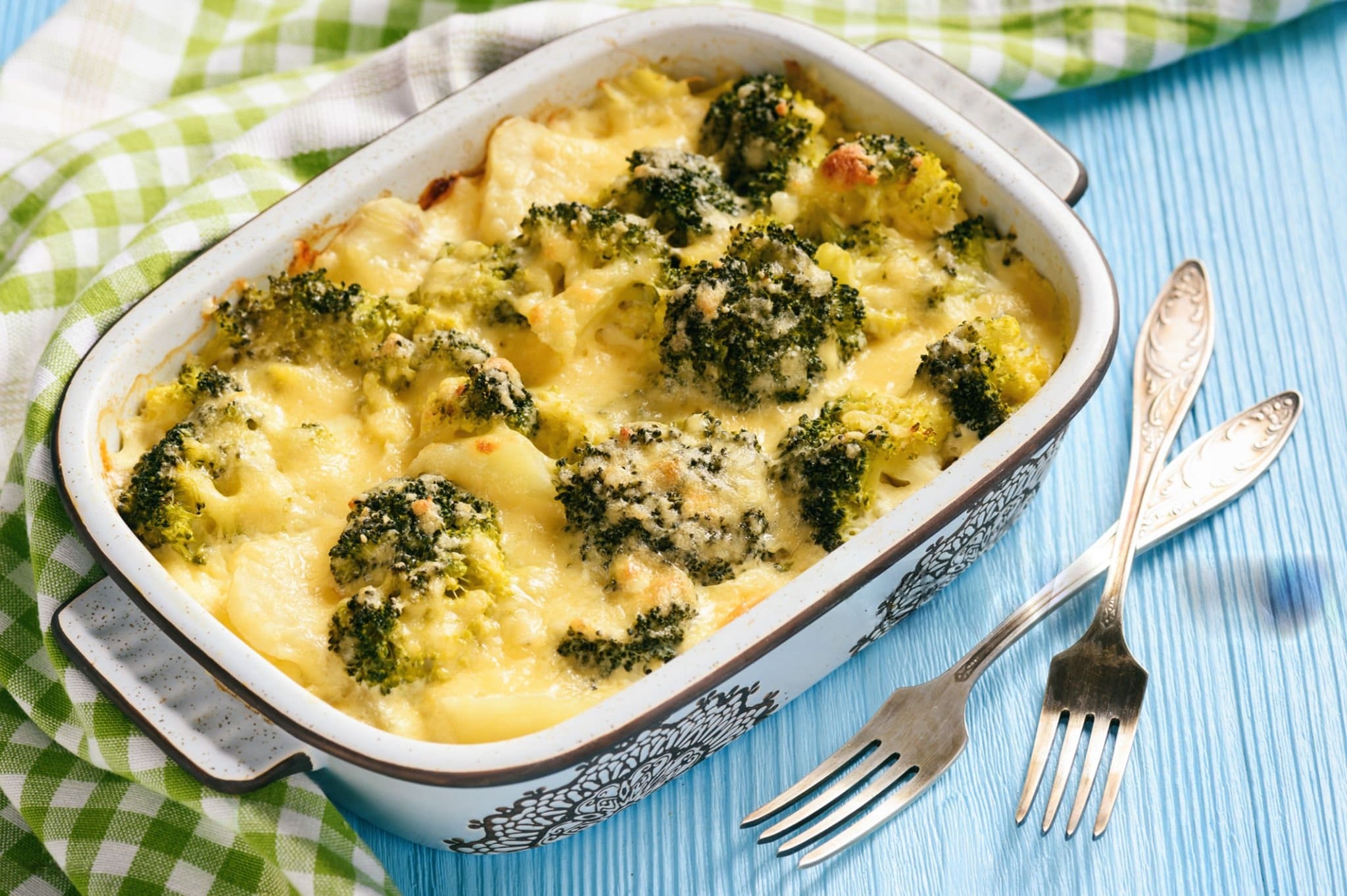
Cheesy baked cauliflower is the cozy, crowd-pleasing veggie dish that feels indulgent while still being wholesome. A golden blanket of melted cheese transforms humble cauliflower florets into something creamy, savory, and irresistible — perfect as a side for weeknight dinners, a potluck star, or even as a vegetarian main with a big salad on the side. Below you'll find a comprehensive guide: a fail-safe basic recipe, lots of variations (including vegan and low-carb options), step-by-step techniques for perfect texture and browning, storage and reheating advice, nutrition notes, troubleshooting, and creative serving ideas. Whether you’re a beginner or a seasoned home cook, you’ll walk away with everything needed to master cheesy baked cauliflower.
Why this dish works
Texture contrast: tender but not mushy cauliflower paired with a silky cheese sauce and a crisp, browned top creates multiple textures in every bite.
Comfort-food flavors: cheese, garlic, and butter (or olive oil) are familiar and satisfying.
Versatility: it works as a side, vegetarian centerpiece, low-carb casserole, or party buffet item. Swap cheeses and add-ins to change the personality of the dish.
Easy to scale: from small family portions to large gatherings, quantities scale well.
Make-ahead friendly: assemble ahead and bake when ready; delicious reheated or baked from chilled.
Ingredients — Basic Cheesy Baked Cauliflower (serves 4–6)
1 large head cauliflower (about 1.2–1.5 kg / 2.5–3.5 lb), cut into medium florets
2 tablespoons unsalted butter (or 2 tbsp olive oil for dairy-free)
2 tablespoons all-purpose flour (use a gluten-free blend for GF)
1 1/2 cups whole milk (or unsweetened plant milk for dairy-free)
1/2 cup heavy cream or crème fraîche (optional; for extra creaminess)
1 1/2 to 2 cups shredded sharp cheddar cheese (divided)
1/2 cup grated Parmesan or Pecorino Romano
1 teaspoon Dijon mustard (optional — brightens the sauce)
1/2 teaspoon garlic powder or 1 clove garlic, finely minced
1/4 teaspoon ground nutmeg (optional, just a pinch)
Salt and freshly ground black pepper, to taste
1/2–3/4 cup breadcrumbs or panko (optional — for topping)
2 tablespoons olive oil (if using breadcrumbs, to toss)
Fresh parsley or chives, chopped (for garnish)
Notes: quantities are flexible — increase cheese for a cheesier bake, reduce cream for a lighter sauce, and use any firm melting cheese (Gruyère, fontina, monterey jack) for variation.
Equipment
Medium saucepan
9×13-inch (or similar) baking dish, or a cast-iron skillet for rustic presentation
Whisk and wooden spoon
Colander and large bowl (for prepping cauliflower)
Baking sheet (if roasting first)
Oven thermometer (optional but helpful)
Two reliable methods — Which to choose?
Blanch-and-bake method (quicker and keeps cauliflower tender): Boil briefly or steam florets until just tender, drain, then combine with cheese sauce and bake.
Roast-first method (more caramelized, deeper flavor): Roast cauliflower first to develop nutty, browned edges, then mix with sauce and finish under the broiler for a crisp top.
Both work beautifully. If you want impressive flavor with more hands-off timing, roast first. If you prefer softer, uniform texture and quickness, blanch-and-bake is ideal.
Step-by-step — Basic Recipe (Blanch-and-Bake)
1. Prepare the cauliflower
Preheat oven to 190°C (375°F).
Trim and cut cauliflower into medium-sized florets — aim for similar sizes so they cook evenly. Wash under cold water and drain.
2. Blanch (optional but recommended)
Bring a large pot of salted water to a boil. Add cauliflower florets and cook 4–5 minutes until just tender (not mushy). If steaming, steam for 6–8 minutes.
Drain in a colander and let any excess water drip off. Pat lightly if needed.
3. Make the cheese sauce (béchamel-based)
In a medium saucepan, melt butter over medium heat. Add minced garlic and cook 30 seconds.
Whisk in flour to form a roux; cook 1–2 minutes without browning.
Gradually whisk in milk (and cream, if using). Bring to a gentle simmer, whisking constantly until thickened (about 4–6 minutes).
Remove from heat and whisk in Dijon mustard, nutmeg, salt and pepper. Stir in 1 to 1 1/4 cups shredded cheddar and 1/4 cup Parmesan until melted and smooth. Taste and adjust seasoning.
4. Assemble
Place cauliflower florets in a baking dish. Pour cheese sauce evenly over them and gently toss to coat.
Sprinkle remaining cheddar and Parmesan on top. Mix breadcrumbs with olive oil and scatter over the surface if you want a crunchy topping.
5. Bake
Bake uncovered for 20–25 minutes or until bubbling and golden on top. For extra browning, broil for 1–2 minutes at the end (watch closely).
6. Rest and garnish
Let the dish rest 5–10 minutes before serving. Sprinkle chopped parsley or chives.
Roast-first method (for deeper flavor)
Preheat oven to 220°C (425°F). Toss cauliflower florets with 2 tablespoons olive oil, 1/2 teaspoon salt, and 1/4 teaspoon black pepper. Spread on a rimmed baking sheet in a single layer.
Roast 20–30 minutes, stirring once, until golden and caramelized.
While roasting, make the cheese sauce as above.
Transfer roasted cauliflower to a baking dish, pour cheese sauce over, top with cheese and breadcrumbs, then bake at 190°C (375°F) for 10–15 minutes until bubbling and browned.
Cheese choices and flavor profiles
Sharp Cheddar: classic, tangy, great melting properties.
Gruyère: nutty, melty; perfect for a more sophisticated, fondue-like flavor.
Fontina: creamy, mild — blends well with stronger cheeses.
Monterey Jack or Colby: mild and melty; good for families and kids.
Parmesan/Pecorino: for salty, savory finishing notes — use grated on top or stirred into sauce.
Blue cheese: add small crumbles to part of the sauce for a bold twist.
Smoked gouda: gives a smoky, almost BBQ-like quality.
Vegan cheeses: choose a high-quality melty vegan cheddar or use cashew-based sauce (recipe below) for non-dairy options.
Tip: combining a firmer melting cheese (Gruyère) with a sharper cheese (cheddar) often yields the best balance of flavor and texture.
Add-ins and mix-ins
Crispy bacon or pancetta — sauté until crisp, sprinkle on top or mix in for smoky saltiness.
Caramelized onions — sweet note that complements the cheese.
Roasted garlic — swap minced garlic for roasted cloves for mellow, sweet garlic flavor.
Chopped herbs — thyme, rosemary, or tarragon in the sauce for an aromatic lift.
Sautéed mushrooms — earthy depth; sauté until golden.
Red pepper flakes or cayenne — a touch of heat.
Lemon zest — a little grated zest in the sauce brightens the whole dish.
Mustard seeds or whole-grain mustard — texture and tang.
Leafy greens — wilted spinach or kale stirred into the sauce for color and nutrients.
Breadcrumbs mixed with grated hard cheese — extra crunchy, savory topping.
Vegan & dairy-free version (cashew-based cheese sauce)
Ingredients for sauce
1 cup raw cashews, soaked in hot water 20–30 minutes and drained
1 cup unsweetened plant milk (soy, oat, or almond)
2 tablespoons nutritional yeast (gives cheesy flavor)
1 tablespoon lemon juice
1 teaspoon apple cider vinegar (optional)
1/2 teaspoon onion powder, 1/2 teaspoon garlic powder
1/2 teaspoon smoked paprika (optional)
Salt and pepper to taste
Method
Blend soaked cashews, plant milk, nutritional yeast, lemon juice, onion and garlic powders, smoked paprika, salt and pepper until perfectly smooth (1–2 minutes).
Warm the sauce in a saucepan for a few minutes to thicken slightly, then toss with blanched or roasted cauliflower. Finish under broiler or bake until edges are bubbly.
Optional: stir in melted vegan cheddar for extra color and pull.
Low-carb / Keto adaptations
Cheesy baked cauliflower is already keto-friendly if you avoid breadcrumbs. Use heavy cream and full-fat cheese, add a little cream cheese to the sauce for richness. You can also add cooked ground sausage, shredded chicken, or pancetta for extra protein.
Gluten-free adjustments
Use a gluten-free flour blend or cornstarch slurry (1 tablespoon cornstarch + 2 tablespoons cold milk) in place of flour for thickening.
Replace breadcrumbs with crushed gluten-free crackers, almond flour + butter, or toasted almond slices for crunch.
Make-ahead, storage, and reheating
Assemble and refrigerate: Prepare the dish up to the point of baking, cover tightly, and refrigerate up to 24 hours. Bake straight from chilled; you may need to add 5–10 extra minutes.
Fully baked storage: Cool completely, cover, and refrigerate for up to 4 days.
Freezing: Baked cheesy cauliflower can be frozen (best without breadcrumb topping) for up to 2 months. Reheat from frozen in a 175°C (350°F) oven, covered for 25–35 minutes, then uncovered to crisp.
Reheating: Reheat in oven at 175–190°C (350–375°F) covered until warmed through. For individual portions, microwave briefly then crisp under broiler for a minute.
Nutritional notes (approximate per serving, basic recipe)
(Estimates will vary based on quantities and chosen cheeses.) A typical serving (1/6 of dish using whole milk and cheddar) might contain:
Calories: 250–380 kcal
Protein: 10–15 g
Fat: 18–28 g (higher with cream/cheese)
Carbohydrates: 8–12 g (lower if you omit breadcrumbs)
Fiber: 2–4 g
This dish provides vitamin C and fiber from cauliflower, plus calcium and protein from cheese. For lower-calorie options, use low-fat milk and reduce cheese, or blend cauliflower with cauliflower rice to bulk up volume.
Common mistakes and troubleshooting
Mushy cauliflower: Overcooking during blanching will result in a soggy texture. Quick-blanch (4–5 minutes) or roast instead for firmer florets.
Thin or watery sauce: If the sauce stays thin, it may be undercooked — simmer until it thickens. If using low-fat milk, increase roux thickness slightly. Cornstarch slurry can help rescue a thin sauce: whisk 1 tsp cornstarch with 1–2 tsp cold water and stir into warm sauce until it thickens.
Curdled sauce: If you add cold milk to a hot roux, whisk constantly and add gradually. Heat gently after adding milk; avoid high boil.
Cheese not melting smoothly: Use shredded cheese (not pre-shredded, which contains anti-caking agents) and add it off the heat to the warm sauce. Avoid boiling the sauce after adding cheese.
Burnt top before heated through: Tent with foil to prevent top from burning while interior warms. Finish under broiler briefly for color if needed.
Serving suggestions & pairings
Main meal: Serve with a crisp green salad, roasted chicken, or a grain pilaf.
Vegetarian dinner: Plate alongside garlic bread and a bean or lentil salad for protein balance.
Holiday table: Makes an excellent alternative to heavier potato gratins. Add toasted walnuts and pomegranate seeds for festive flair.
Comfort plate: Accompany with mashed potatoes, rosemary pork chops, or meatloaf.
Wine pairing: Medium-bodied whites like Chardonnay, Viognier, or a light red like Pinot Noir complement the richness. For vegan versions, a bright Sauvignon Blanc helps cut the creaminess.
Kid-friendly: Keep it simple — cheddar-only, no spicy add-ins; serve with cut-up fruit.
Creative variations and riffs
Charred Lemon & Herb: Roast cauliflower with lemon slices; finish with lemon zest, parsley, and a light ricotta swirl.
Buffalo Cheesy Cauliflower: Toss roasted florets with buffalo sauce before baking; top with blue cheese crumbles and green onions.
Mexican-style: Stir in a can of drained corn, chopped jalapeños, cumin, and cilantro. Top with pepper jack and salsa.
Italian Baked Cauliflower: Add marinara, diced roasted peppers, and sprinkle with mozzarella and basil; finish with a drizzle of balsamic reduction.
Truffle & Mushroom: Sauté mushrooms with thyme, add a splash of truffle oil to the sauce, and use Gruyère + fontina blend.
Pesto-Cheese: Swirl in pesto to the sauce and top with pine nuts and extra Parmesan.
Cauliflower Mac & Cheese: Mix roasted cauliflower with cooked pasta for a hybrid comforting casserole.
Step-by-step timing plan for weeknights
30–40 minute quick version: Blanch cauliflower (6–8 min), make sauce (8–10 min), assemble and bake (15–20 min) — total ~35 minutes.
45–60 minute flavor-forward version: Roast cauliflower (25–30 min), make sauce (8–10 min), assemble and bake (10–15 min) — total ~50 minutes.
Make-ahead: Roast or blanch and make sauce the night before; assemble and bake when ready (25–30 minutes).
FAQ
Q: Can I use frozen cauliflower?
A: Yes. Thaw and dry well before using. Roasting works best to avoid sogginess; blanching frozen florets can become waterlogged.
Q: Can I skip the roux and make a simpler sauce?
A: You can melt cheese into warmed cream or use cream cheese and milk, but a roux stabilizes texture and helps the sauce cling to cauliflower. For gluten-free you can use cornstarch.
Q: How do I make a crisp topping without breadcrumbs?
A: Toasted almond slices, crushed pork rinds (for keto), or a mix of grated Parmesan + olive oil works well. For vegan, use crushed seasoned nuts or coconut flakes.
Q: Is this dish freezer-friendly?
A: Yes, best frozen before baking. Freeze in airtight containers and bake from frozen at 175°C (350°F) until heated through.
Q: My cheese sauce separated. Can I fix it?
A: Try whisking in a tablespoon of cream or a small cube of cream cheese off the heat to re-emulsify. A blender can also help smoothness.
Flavor-boosting finishing touches
A squeeze of fresh lemon juice right before serving brightens the richness.
A sprinkle of flaky sea salt (like Maldon) over the finished bake enhances depth.
Fresh herbs provide color and contrast — finely chopped chives, parsley, or dill.
A drizzle of good olive oil or a few drops of fragrant truffle oil for special occasions.
Kid-friendly presentation ideas
Make individual ramelet portions and top with fun shaped breadcrumb crusts.
Mix in small cubes of ham or cooked chicken for added protein.
Serve with a “dip” style: place a small bowl of cheese sauce alongside roasted cauliflower for dunking.
Pairing for special diets
Vegetarian: Serve as a main with lentils or a grain salad.
Keto: Use full-fat dairy, omit breadcrumbs, and add bacon or sausage.
Pescatarian: Serve with seared salmon or baked cod.
Gluten-free: Use GF flour in the roux or a cornstarch slurry and GF breadcrumbs.
A note on presentation
Use a cast-iron skillet or gratin dish for rustic appeal and excellent heat retention.
Brown the top under the broiler for a few minutes for an attractive golden crust — watch carefully.
Garnish with a scatter of minced fresh herbs, grated hard cheese, and a few colorful microgreens for restaurants-style plating.
Troubleshooting guide (quick)
Problem: Bland flavor → Solution: Add Dijon mustard, a splash of Worcestershire sauce, a pinch of nutmeg, or lemon zest.
Problem: Too dry → Solution: Add a few tablespoons of cream or reserved milk and stir in before reheating.
Problem: Too runny → Solution: Thicken with a small slurry of cornstarch and water; heat gently to activate.
Problem: Top burned, inside cold → Solution: Tent with foil and finish covered until heated through; broil at end for color.
Final thoughts
Cheesy baked cauliflower proves how small culinary changes (a good cheese sauce, proper cooking technique) can elevate a simple vegetable to the center of attention. It’s forgiving, adaptable, and a reliable comfort food that also fits into many dietary preferences with a few smart swaps.
Try the classic version first to learn the texture and timing, then experiment with cheeses, add-ins, and finishing touches until you find your perfect combination. Whether served at a casual family meal or as part of a holiday spread, this dish is likely to disappear fast.