
Classic Lasagne Recipe — Authentic Italian Lasagna
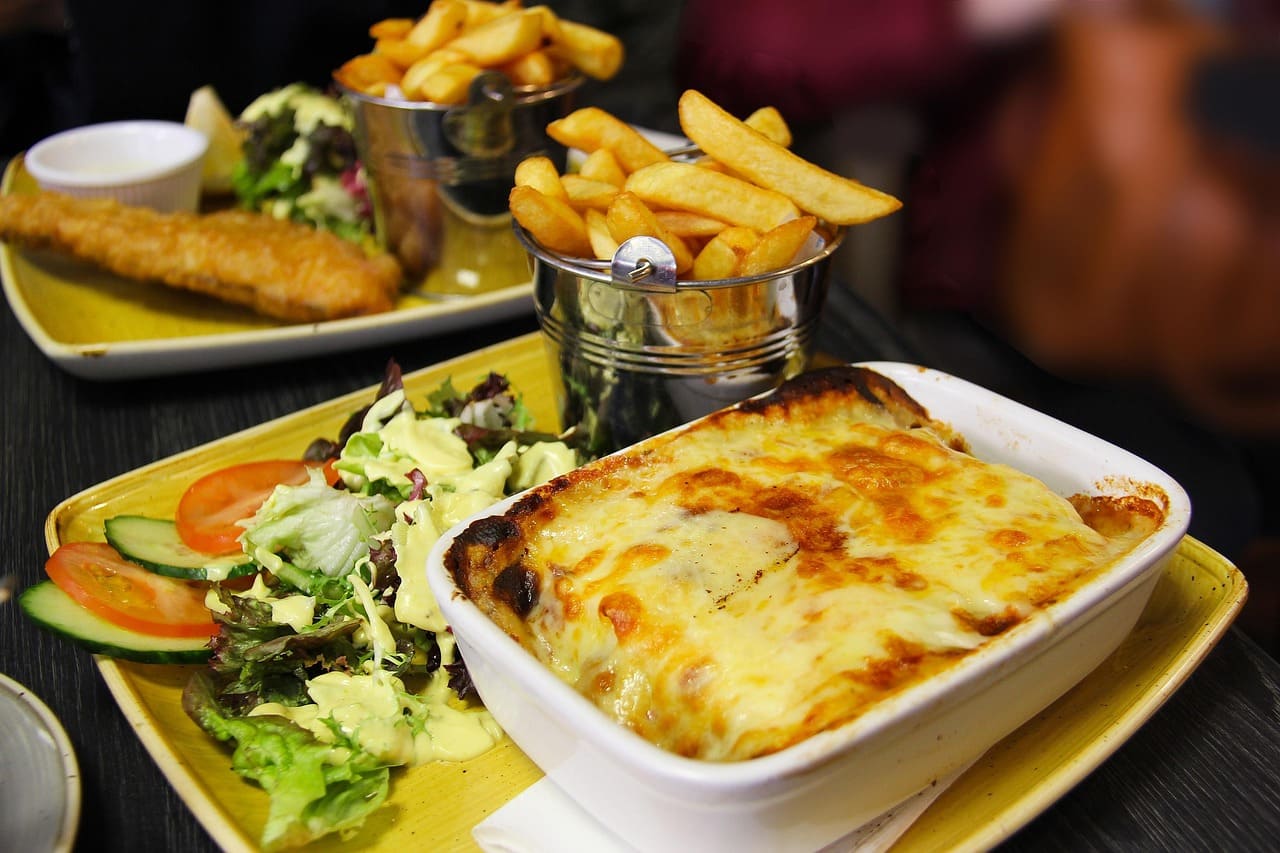
Lasagne is the ultimate comfort-food lasagna (or lasagne — both are correct depending on where you are). In this long, SEO-friendly blog post you’ll find a complete, easy-to-follow recipe for classic Italian lasagne with a meaty ragu, creamy béchamel, and plenty of cheese — plus variations, tips, FAQ, storage instructions, and meta keywords for SEO.
Why this lasagne works
Lasagne is all about balance: a flavorful ragu (meat sauce) for depth, a smooth béchamel for silkiness, tender pasta sheets for structure, and a blend of cheeses for richness. This recipe separates the ragu and the béchamel so each layer maintains its character — the result is a lasagne that slices cleanly but remains meltingly tender.
Ingredients
For the ragu (meat sauce)
2 tbsp olive oil
1 medium onion, finely chopped
2 medium carrots, finely diced
2 celery stalks, finely diced
3 garlic cloves, minced
500 g ground beef (or half beef + half pork)
150 ml dry red wine (optional but recommended)
800 g crushed tomatoes (canned) or passata
2 tbsp tomato paste
1 tsp dried oregano
1 bay leaf
Salt and freshly ground black pepper, to taste
1 tsp sugar (optional — balances acidity)
Fresh basil or parsley, chopped (a handful)
For the béchamel (white sauce)
60 g (4 tbsp) unsalted butter
60 g (about ½ cup) plain/all-purpose flour
900 ml (about 3 ¾ cups) whole milk, warmed
Pinch of grated nutmeg
Salt and white pepper, to taste
For assembly
12–16 lasagne sheets (fresh or dried; adjust based on pan depth)
250–300 g mozzarella, shredded or sliced
80–120 g grated Parmesan (Parmigiano-Reggiano)
Olive oil or butter to grease pan
Optional add-ins & swaps
Spinach, mushrooms, or roasted vegetables for a veggie version
Ricotta (100–200 g) mixed with egg and herbs for extra creaminess
Gluten-free lasagne sheets or no-boil noodles if needed
Equipment & prep notes
23×33 cm (9×13 inch) baking dish (or similar size)
Large skillet or Dutch oven for the ragu
Medium saucepan and whisk for béchamel
Oven preheated to 190°C / 375°F
Prep ragu ahead (it improves with a few hours or overnight in the fridge)
Step-by-step method
Make the ragu
Heat olive oil in a large skillet over medium heat. Add onion, carrot, and celery; sauté until soft and translucent (8–10 minutes).
Add garlic and cook 30–60 seconds until fragrant.
Increase heat to medium-high, add ground meat and brown thoroughly, breaking it up with a spoon. Cook until no pink remains.
Pour in the red wine (if using) and let it reduce for 2–3 minutes.
Stir in tomato paste, crushed tomatoes, oregano, bay leaf, salt, pepper, and sugar if desired.
Lower heat and simmer gently for 25–45 minutes until sauce thickens and flavors meld. Stir occasionally. Remove bay leaf and stir in fresh basil/parsley just before assembling. Taste and adjust seasoning.
Make the béchamel
In a saucepan, melt butter over medium heat. Add flour and whisk continuously to form a roux; cook for 1–2 minutes (don’t let it brown).
Gradually whisk in warm milk in small additions until smooth. Continue whisking until sauce thickens to a pourable, creamy consistency (about 6–8 minutes).
Season with salt, white pepper, and a pinch of nutmeg. Remove from heat.
Assemble the lasagne
Lightly grease your baking dish with olive oil or butter.
Spread a thin layer of ragu on the bottom (this prevents sticking).
Lay down the first layer of lasagne sheets (overlap slightly if needed). If using dried/no-boil sheets, follow packet instructions about pre-soaking or using extra sauce.
Spoon a layer of ragu over the pasta, then a thin layer of béchamel. Sprinkle with a little mozzarella and Parmesan.
Repeat layers (pasta → ragu → béchamel → cheeses) until you reach the top of the dish. Finish with béchamel and a generous layer of mozzarella and grated Parmesan for a nicely browned top. Aim for 3–4 layers total depending on dish depth and sheet thickness.
Bake
Cover with foil (lightly tent so it doesn’t touch cheese) and bake at 190°C / 375°F for 25 minutes.
Remove foil and bake another 15–20 minutes until cheese is bubbling and golden.
Let rest for 10–15 minutes before slicing — this helps the lasagne set and yields cleaner slices.
Timing & servings
Active prep: ~45–60 minutes (if ragu is made quickly)
Simmering/slow cooking ragu: +30–60 minutes (optional longer for deeper flavor)
Baking: ~40–50 minutes
Resting: 10–15 minutes
Serves: 6–8 (depending on portion size)
Variations & dietary swaps
Vegetarian lasagne
Replace meat ragu with a rich vegetable ragù: sauté mushrooms, zucchini, eggplant, and spinach. Add crushed tomatoes and simmer. Optionally mix ricotta with spinach for a creamy layer.
White lasagne
Skip tomatoes altogether: use béchamel, shredded chicken or sautéed mushrooms, spinach, and cheeses for a delicate, creamy lasagne bianca.
Gluten-free
Use gluten-free lasagne sheets or make thin layers of grilled aubergine/zucchini as a pasta substitute. Ensure béchamel uses gluten-free flour (rice or a GF blend).
Make-ahead & freezing
Assemble but don’t bake: cover and refrigerate for up to 24 hours; bake straight from fridge, adding ~10–15 minutes to baking time.
Freeze fully assembled and unbaked: wrap tightly and freeze up to 2–3 months. Bake from frozen at 190°C (375°F) — uncovering time will be longer; tent with foil until heated through.
Tips for a perfect lasagne
Low and slow ragu: simmer longer for deeper flavor; it’s worth the time.
Warm the milk before adding to the roux so the béchamel is smooth and lump-free.
Don’t over-sauce each layer — too wet and the lasagne becomes soggy; too little and it’s dry. Balance is key.
Rest before slicing — impatient slicing leads to a messy casserole.
Cheese blend: use good-quality Parmesan and a melty cheese such as low-moisture mozzarella for the best top crust.
Crispy edges: brush the top sheet edges with a little olive oil or melted butter to encourage crisping.
Common troubleshooting
My lasagne is watery — why?
Likely too much sauce or undercooked ragu. Simmer the ragu longer to reduce moisture. Also drain very liquid ricotta or use less.
Sheets too hard/chewy
If using dried pasta, either pre-boil slightly according to package instructions or ensure enough sauce and baking time. No-boil sheets need more sauce or a longer bake covered.
Top burns while center is undercooked
Tent with foil after browning or move the lasagne lower in the oven and lengthen covered baking time.
Nutrition & portion notes
A classic meaty lasagne is rich and calorie-dense — perfect as an occasional treat or celebratory meal. To lighten: use leaner meat, reduced-fat cheese, and add more vegetables. Serving with a crisp green salad and vinegar-based dressing helps balance richness.
Frequently asked questions
Can I use fresh pasta sheets?
Yes — fresh sheets cook faster and give a silkier texture. Use fewer layers or bake a little less time.
Can I make lasagne in advance?
Absolutely. Lasagne often tastes better the next day as flavors meld. Assemble, refrigerate, and bake when ready.
How do I reheat leftovers?
Reheat individual slices in the oven at 160°C/325°F covered with foil (15–20 minutes) for even warming, or microwave for convenience (but texture may be less ideal).
Serving suggestions
A simple arugula or mixed-green salad with lemon vinaigrette
Garlic bread or focaccia to mop up sauce
A light, fruity red wine (Sangiovese, Chianti) or a crisp white for a white lasagne
Final thoughts
Making lasagne is a labor of love that rewards patience. Start with good ingredients, keep your sauces balanced, and don’t rush the resting time. Whether you stick to the classic meat-and-cheese layers or create a vegetable-forward version, lasagne is a comforting centerpiece for family dinners and special occasions alike.