
Garlic Mashed Potatoes
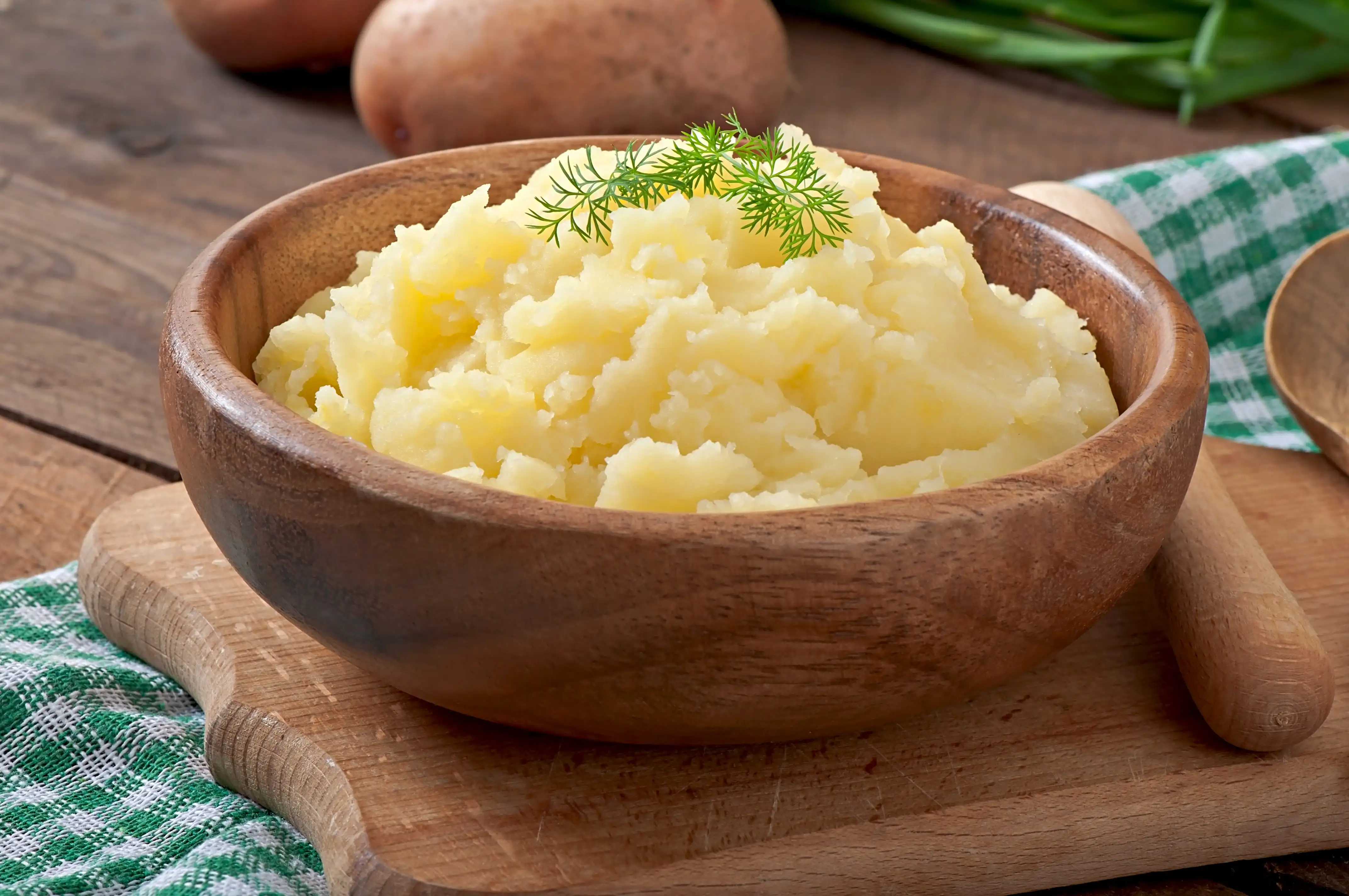
Garlic mashed potatoes are one of those deceptively simple dishes that, when done right, can steal the scene at any table — from a quiet weeknight dinner to an elaborate holiday spread. At first glance, mashed potatoes look like a straightforward combination of boiled tubers and dairy, but the nuance lies in the small decisions: which potato variety to choose, whether to roast or sauté the garlic, how to temper the dairy, and how vigorously to mash. Each of those choices affects texture, mouthfeel, aroma, and flavor. In this long-form guide I’ll walk you through the history and science behind great mashed potatoes, give you a foolproof — yet flexible — master recipe, explore multiple ways to prepare garlic for different flavor profiles, cover a wide range of variations (from ultra-luxury versions to frugal, pantry-friendly adaptations), explain common mistakes and how to avoid them, offer crowd-pleasing serving and make-ahead strategies, and provide troubleshooting tips so you can rescue a batch that goes wrong. By the time you finish reading, you’ll know not only how to make reliably excellent garlic mashed potatoes, but why each step matters and how to adapt the recipe to match the ingredients and equipment you have on hand.
What makes garlic mashed potatoes so beloved (and so deceptively tricky)
Mashed potatoes exist in a category of comfort foods that reward restraint and technique more than an ever-growing list of ingredients. The best garlic mashed potatoes strike a balance between three essential elements: the structure provided by the potatoes themselves (their innate starch and moisture content), the richness introduced by butter, cream, or other dairy, and the pungent aromatic lift provided by garlic. Texture is the silent hero: a properly made mash is neither gluey nor dry, neither too loose nor too stiff; it should be pillowy and hold its shape on the plate but yield under gentle pressure with a silky mouthfeel. Garlic, meanwhile, can be used to subtle or bold effect — a roasted clove brings caramelized sweetness and spreadable creaminess, a quickly sautéed clove contributes a warm, toasted bite, and raw garlic (used sparingly) delivers immediate pungency that some palates love but many find too aggressive. The trick is pairing the garlic preparation method to the texture you want: silky, buttery mashed potatoes pair beautifully with roasted garlic because both offer soft, mellow sweetness; a heartier, rustic mash can handle the sharper notes of lightly sautéed or even a small pinch of raw garlic. Because potatoes are mostly water and starch, they can easily go from perfect to pasty if overworked; conversely, under-seasoning or using cold dairy can leave them bland and clumpy. So good mashed potatoes are about balance, and each technique — from parboiling in cold water to warming the cream before adding it — exists to preserve and amplify that balance.
A brief culinary background (why potatoes and garlic are natural partners)
The potato, native to the Andes and introduced to Europe in the 16th century, transformed cuisines across continents because it is calorically dense, grows in diverse climates, and can be prepared in countless ways. Mashed preparations evolved naturally: mashed textures are easier to eat and digest for broad populations and were thus popular for both everyday meals and feasts. Garlic, whose culinary histories span Asia, the Mediterranean and beyond, has long been used to lend aromatic complexity to staple foods. The pairing of potato and garlic is intuitive — the neutral, starchy backdrop of mashed potatoes is the perfect canvas for garlic’s savory, slightly sweet, sometimes pungent notes. In many regional cuisines — French, American Southern, Eastern European — garlic mashed potatoes appear as comforting staples, sometimes enriched with butter, cream, or sour cream; sometimes made rustic with skins left on; and sometimes elevated into showstoppers with additions like truffle oil, roasted shallots, or grated hard cheeses. Their enduring popularity stems from a rare combination: both widely accessible ingredients and the capacity for infinite variation.
Choosing potatoes: starchy vs. waxy and why it matters
Potato choice is the first technical decision you’ll make, because starch content dramatically affects texture. Russets are high-starch potatoes; they break down into a fluffy, dry crumb that soaks up butter and cream and produces a light, cloudlike mash. Yukon Golds are medium-starch potatoes with a naturally buttery flavor and a creamier, more velvety texture without requiring as much added fat. Red potatoes are waxy and retain more structure; they’re ideal for rustic styles where you want some texture and body. For classic, crowd-pleasing mashed potatoes, many cooks prefer a blend — half Russet for loft and half Yukon Gold for richness and flavor. If you want a silky, restaurant-style mash, leaning toward Russet (or using a ricer/food mill) will help you achieve that fine, airy texture; for a more homey, satisfying mouthfeel, Yukon Golds work exceptionally well and often need slightly less butter to taste rich.
The role of garlic: roasted, sautéed, or raw — and when to use each
How you treat the garlic will shape the final dish’s character. Roasted garlic is sweetness personified: heads of garlic are halved across the top, drizzled with oil, wrapped, and roasted until the cloves are soft enough to squeeze out like a paste. This paste blends seamlessly into the potatoes and gives a round, mellow garlic presence that is luxurious and never sharp. Sautéed garlic — thinly sliced or minced and gently browned in butter or oil — produces a nuttier, toastier flavor with more immediate bite; use low to medium heat and watch closely so you avoid bitterness from burning. Boiled garlic (adding softened whole cloves to the potatoes while they cook) gives a gentler, more diffuse garlic flavor that’s less sweet than roasted but milder than sautéed. Finally, raw garlic (finely minced or grated) offers a bright, assertive pungency; when used, it should be kept minimal and balanced with fat (butter/cream) and acid (lemon or vinegar) to tame sharpness. Choose roasted garlic when preparing a silky, mellow mash for holiday or dinner-party service; use sautéed or boiled garlic for a more pronounced savory profile in everyday meals; and reserve raw garlic for those who love a sharper, more assertive garlic hit.
The master recipe — one reliable method with space for personalization
Below is a dependable master recipe sized for roughly 6 servings. Think of this as a foundation you can personalize: change the garlic method, swap dairy ingredients, or add accent flavors as you like.
Ingredients:
2 pounds potatoes (a 50/50 mix of Russet and Yukon Gold is ideal)
4 to 6 garlic cloves (or one small head if roasting whole) — adjust to taste
1/2 cup (1 stick) unsalted butter, plus more for serving if you like
1/2 to 1 cup whole milk or heavy cream (start with less and add to desired consistency)
Salt to taste (start with 1 1/2 teaspoons kosher salt in the cooking water)
Freshly ground black pepper, optional
Optional: 1/4 cup sour cream or cream cheese for tang and extra creaminess; chopped chives or parsley for garnish
Method:
Prepare your garlic according to the flavor profile you want. For roasted garlic, slice the top off a head, drizzle with oil, wrap tightly in foil, and roast at 400°F (200°C) for 30–40 minutes until the cloves are soft and caramelized. Squeeze the roasted cloves out of their skins into a small bowl and mash into a paste. For sautéed garlic, mince and gently sauté in 1–2 tablespoons butter until fragrant and lightly golden; do not brown harshly. For a subtler approach, add whole peeled cloves to the potatoes when boiling so they soften and blend into the mash.
Peel (or not, if you prefer skin-on rustic mash) and cut potatoes into even 1 1/2–2 inch chunks. Place potatoes in a large pot and cover with cold water by at least an inch — starting in cold water promotes even cooking. Add a generous pinch of salt to the water.
Bring to a gentle boil over medium-high heat, then reduce to maintain a simmer. Cook until the potatoes are fork-tender, about 15–20 minutes depending on size and variety.
While potatoes cook, warm the milk or cream with the butter in a small saucepan until butter melts and the liquid is warm; warm dairy incorporates more smoothly and prevents shocking the potatoes into a gluey texture. If you sautéed garlic, add it to the warmed butter so the flavor infuses; if you roasted garlic, mix the paste with the warm butter/dairy so it disperses evenly.
Drain potatoes well and return to the pot over low heat for a minute or two to evaporate any excess moisture — this step yields a drier starch base that absorbs the butter and cream better. Mash immediately using your chosen tool (potato masher for rustic texture, ricer or food mill for the silkiest result, or use a handheld mixer gently for a compromise). Add the warm butter-garlic-cream mixture in stages, mashing and folding until you reach your preferred consistency. Stir in sour cream or cream cheese if using, and adjust salt and pepper to taste.
Serve hot with a pat of butter melting on top and a sprinkle of chives or herbs for color.
Notes: Resist the urge to add all the liquid at once; add gradually until you achieve the texture you love. If you overdo and mash becomes loose, a small addition of instant potato flakes can help re-thicken without affecting flavor.
Tools of the trade: mashers, ricers, food mills, mixers — pros and cons
The texture you aim for will determine the tool to use. A traditional potato masher offers control and yields a rustic mash with a few lumps for mouthfeel; it’s forgiving and ideal when you want body. A ricer or food mill pushes potatoes through small holes producing tiny, uniform pieces that, when combined with warm butter and cream, become incredibly smooth and light; chefs who prize silken texture favor these tools. A handheld mixer or stand mixer can produce a very smooth mash rapidly, but it’s easy to overwork the potatoes and release too much starch, causing a gluey, pasty result; if you use a mixer, pulse on low and stop as soon as smoothness is achieved. A food processor is not recommended for mashed potatoes because high-speed blades can overwork the starch very quickly. For most home cooks seeking a balance between ease and texture, using a ricer yields excellent results without enormous effort; if you don’t own a ricer, a sturdy masher plus patient gradual addition of warm dairy will do the trick.
Flavor variations — from classic to inventive
The beauty of garlic mashed potatoes lies in their adaptability. Here are a variety of ways to tailor the dish to your tastes or to suit different meals:
Classic butter-and-cream: Keep it simple for an elegant side. Use roasted garlic for subtlety, and plenty of butter. Finish with a flourish of chopped chives.
Loaded style: Stir in shredded cheddar, crisp bacon, sour cream, and scallions to make a loaded potato-meets-side-dish that’s perfect for casual gatherings.
Cheesy and sharp: Fold in grated Parmesan, Pecorino Romano, or even a dollop of mascarpone for a nutty, umami-rich finish that pairs well with roasted meats.
Herbed mash: Add rosemary, thyme, or sage (finely minced and briefly wilted in butter before adding) to echo flavors in roast chicken or pork.
Maple-roasted garlic mash: For a fall twist, roast garlic with a light drizzle of maple syrup or honey for hints of glaze and caramelization.
Truffle garlic mash: A drizzle of truffle oil or a few shavings of fresh truffle will turn these into a luxurious, restaurant-worthy side; use sparingly so the truffle doesn’t overpower.
Vegan garlic mash: Swap butter for olive oil or a high-quality vegan butter, and use oat or almond milk warmed with nutritional yeast for cheesy umami notes.
Spiced mash: Add a pinch of smoked paprika or a touch of cayenne if you want a smoky or piquant undertone, which can be excellent alongside grilled meats.
Common mistakes and how to fix them
Even experienced cooks can err with mashed potatoes. Here are common problems and straightforward fixes:
Gluey texture: Usually caused by overworking the potatoes or adding cold dairy. Fixes: warm the dairy before adding, stop mashing immediately once smooth. If already gluey, fold in a small amount of sour cream or cream cheese to oxygenate and soften the mouthfeel, or gently fold in some extra melted butter and warm milk; if those don’t help, adding a few tablespoons of instant potato flakes can absorb excess moisture and improve texture.
Watery mash: Happens when potatoes were boiled too long or not drained/steamed sufficiently. Fixes: return the drained potatoes to the pot over low heat to evaporate water. If needed, add a small amount of instant potato flakes to absorb excess moisture while stirring gently.
Bland flavor: Under-seasoning is the most common culprit. Always season the cooking water with salt and do a taste adjustment after adding dairy and butter. Add acid (a splash of lemon juice or a tablespoon of vinegar) to enhance perceived saltiness if necessary.
Burnt garlic flavor: Garlic turns bitter quickly when browned aggressively. If garlic has burned, it’s better to start over with a new batch of garlic rather than try to mask the bitterness. Use more butter and acid if you must salvage a slightly bitter batch, but prevention is easier: cook garlic on low heat and remove it from direct high heat.
Make-ahead strategies and holding for service
Garlic mashed potatoes are forgiving for make-ahead cooking, which makes them excellent for holiday planning. You can prepare a batch a day in advance, cool it quickly, and refrigerate in an airtight container. When reheating, add a splash of warmed milk or cream and a pat of butter and reheat gently on the stovetop over low heat, stirring frequently to reincorporate the fats and restore creaminess. A slow cooker’s low/warm setting is also a great way to keep mashed potatoes ready for service during a party without drying them out — simply stir in a bit of warmed cream and butter before transferring to the slow cooker, and cover to keep moist. For freezing, mashed potatoes do freeze well if packaged tightly; add a little extra butter or cream before freezing to preserve texture, then thaw in the refrigerator overnight and reheat gently with added moisture.
Pairings and serving ideas
Garlic mashed potatoes are versatile and pair beautifully with a wide range of mains and sauces. Classic matches include roast turkey with pan gravy, herb-crusted prime rib, braised short ribs, pot roast, pan-seared chicken, pork chops with apple compote, or simply roasted winter vegetables for a vegetarian main. They also excel under a rich mushroom gravy, with a spoonful of chimichurri for contrast, or topped with caramelized onions and a scattering of toasted hazelnuts for texture. Presentation ideas include piping the mash into a simple swirl and broiling briefly for a crisp top (great for a shepherd’s pie-style presentation), or serving family-style with a shallow well in the center filled with hot gravy or compound butter.
Nutrition notes and lighter options
Mashed potatoes are a comfort food and can be rich in calories and fat if prepared with generous amounts of butter and cream. For lighter versions, consider using reduced-fat milk or a blend of milk and vegetable stock, or swap half the butter for olive oil and add Greek yogurt or low-fat sour cream to maintain creaminess with fewer calories. Yukon Golds, due to their naturally buttery flavor, often require less added fat to achieve a satisfying mouthfeel. For extra fiber and nutrients, leave the skins on or mix in mashed cauliflower to lighten the final texture while adding volume — a 50/50 potato-cauliflower mash can significantly reduce calories per serving while retaining much of the classic mouthfeel.
Troubleshooting quick Q&A
Q: My mash is gritty. What happened?
A: Grittiness usually indicates undercooked potatoes or that you used a food processor with cold ingredients. Ensure potatoes are fully tender and use tools that produce a smooth result (ricer/food mill).Q: Can I use sweet potatoes instead?
A: Absolutely — garlic pairs well with sweet potatoes, but adjust for sweetness (less added sugar and perhaps more savory elements like smoked paprika or bacon).Q: How much garlic is too much?
A: That depends on taste. For most people, 4–6 cloves for 2 pounds of potatoes is a good starting point; decrease if using raw garlic or increase if you prefer a strong garlic presence or use roasted garlic which is milder.Q: Can I reheat in the oven?
A: Yes. Place mashed potatoes in an oven-safe dish, dot with butter, cover with foil, and warm at 300°F (150°C) until heated through, stirring once or twice.
Final thoughts — patience, temperature, and seasoning
The difference between pedestrian and extraordinary garlic mashed potatoes is rarely a single secret ingredient; instead it’s the consistent application of technique — starting with cold water for even cooking, choosing the right potato, warming dairy before adding it, tempering your garlic treatment to the dish, and tasting and adjusting salt and acid at the end. These small, intentional choices make the potatoes sing and allow the garlic to sit in harmony with the starch, fat, and seasoning. Whether you’re aiming for silky restaurant-level mash or a rustic, chunky side, the principles remain the same: respect the ingredient, control the temperature, and season in layers. If you follow the guidelines here and make the recipe your own with the variations and tips provided, you’ll transform a humble side into a memorable centerpiece of any meal. Enjoy the process — and the inevitable compliments.