
Homemade Donut Recipe — everything you need to make donuts at home
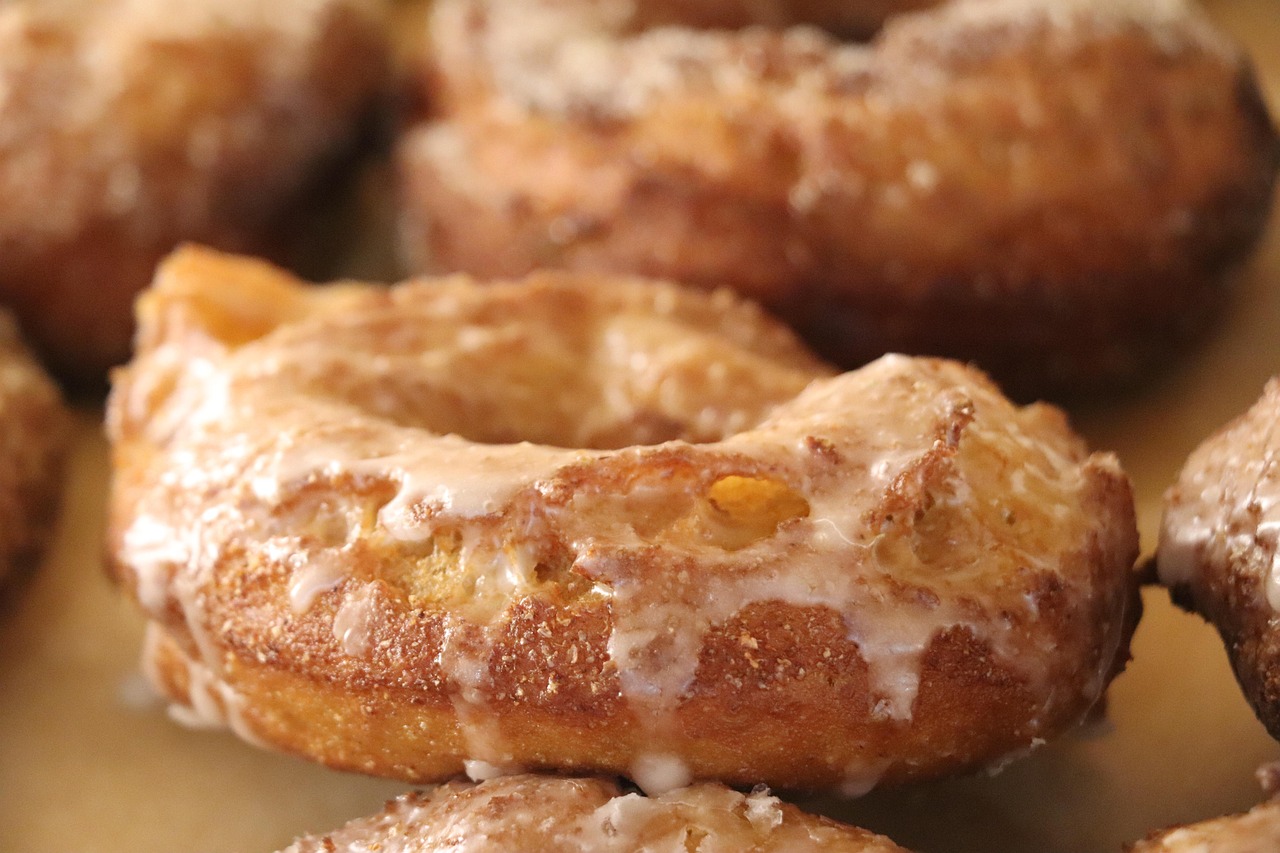
If you’ve ever bitten into a warm, pillowy donut and thought, “I need more of this in my life,” you’re in the right place. This is a complete, long-form guide to making homemade donuts from scratch: yeast-raised donuts (the classic light and airy type), old-fashioned cake donuts (tender, cakey, and slightly crisp), baked and air-fryer options, plus glazes, fillings, toppings, flavor variations, troubleshooting, storage, and presentation ideas. Whether you want a weekend project, need to impress guests, or are simply learning to fry safely, this article will walk you through everything step by step.
Below you’ll find:
A short history and what makes different types of donuts unique
Equipment and safety for frying at home
Reliable yeast-raised donut recipe with step-by-step photos-in-your-mind instructions and troubleshooting
Classic cake donut recipe (fried and baked)
Glazes, icings, and fillings with exact recipes (vanilla, chocolate, maple, fruit glazes, custard, jam, etc.)
Vegan and gluten-free adaptations
Baking and air-fryer donuts
How to shape, proof, and fry like a pro
Storage, freezing, reheating, and serving suggestions
FAQs and printable recipe cards
Let’s get started — and by the end you’ll know how to make donuts that rival the ones from your favorite bakery.
A quick primer: types of donuts and what to expect
Yeast-raised donuts
Light, airy, and slightly chewy inside with a tender crust.
Made from a yeast-leavened dough similar to enriched bread (milk, eggs, sugar, fat).
Require kneading, a first rise, shaping, a second proof, and frying.
Examples: classic glazed donut, jelly donut, filled custard donut.
Cake donuts
Denser, tender, crumbly — similar to cake or muffin texture.
Leavened with baking powder and/or baking soda, not yeast.
Quicker to make because no yeast proofing; perfect when you want donuts in under an hour.
Examples: old-fashioned cake donut, chocolate cake donut.
Baked donuts & air-fryer donuts
Lighter and less oily; texture is closer to a cake donut but can be very satisfying.
Use a donut pan (baked) or air-fryer insert.
Great for lower-fat alternatives and easy cleanup.
Stuffed and specialty donuts
Filled with custard, pastry cream, jam, Nutella, lemon curd.
Topped with elaborate glazes, frostings, nuts, cereal, sprinkles, bacon.
Equipment & pantry essentials
You don’t need a commercial kitchen to make excellent donuts, but a few tools make life easier:
Essential
Heavy-bottomed pot or deep fryer (6–8 quart capacity recommended)
Fry thermometer (probe or clip-on) — critical for safe, correct frying temps
Mixing bowls (large for dough, small for glaze)
Stand mixer with dough hook or reliable arm and muscles for hand kneading
Rolling pin (for shaping cake donuts; for yeast donuts you can hand-shape too)
Donut cutter set (standard donut cutter and small cutter for holes) or two round cutters (one large, one small)
Slotted spoon, spider skimmer, or tongs for transferring donuts in and out of oil
Wire racks for cooling and draining
Baking sheet lined with absorbent paper towels (to capture excess oil)
Piping bags (for filled donuts and certain glazes)
Dough scraper (very helpful)
Nice-to-have
Donut fry screen (metal mesh turntable that sits in oil for even cooking)
Proofing box or warm place for rising (or an oven with just the light on)
Instant-read thermometer (for glaze temperature or checking custard)
Pantry staples you'll frequently use
All-purpose flour and cake flour (optional)
Granulated sugar and powdered sugar
Active dry yeast or instant yeast
Baking powder and baking soda (for cake donuts)
Milk (whole milk preferred), eggs, unsalted butter, neutral oil
Salt, vanilla extract, spices (cinnamon, nutmeg), cocoa powder (for chocolate donuts)
Cornstarch (for thickening custards), cream or milk for glaze richness, powdered colors or freeze-dried fruit powders for inventive glazes
Safety first: frying tips
Frying can be joyful — and safe — when you follow these guidelines:
Use the right pot and oil level. Fill the pot no more than halfway to two-thirds to leave space for oil to bubble when you add donuts. Overfilling leads to dangerous overflow.
Pick the right oil. Neutral oil with a high smoke point: canola, vegetable, peanut, or refined sunflower oil. Olive oil is not recommended for frying due to low smoke point and flavor.
Control temperature. 350–375°F (175–190°C) is the usual frying range. Yeast donuts: 350–360°F is good to ensure the center cooks before the exterior over-browns. Cake donuts: 350–360°F also works well. Use a reliable thermometer; do not rely on guesswork.
Don’t overcrowd the pan. Fry in small batches (3–6 donuts depending on pot size) so oil temperature remains steady.
Dry your donuts. Wet dough will spit and cause oil splatter. Pat any wet toppings or cut apples/flours before frying.
Use proper tools. Slotted spoon or spider skimmer to transfer donuts. Have paper towels or wire rack ready for draining.
Have safety equipment ready. A lid to cover the pot in case of flare-up and a baking soda box (not water) to smother an oil fire. Never pour water on an oil fire.
Cool oil properly. Let it cool completely before disposing or storing in a jar. Don’t pour hot oil down the sink.
Yeast-Raised Classic Glazed Donuts — reliable, step-by-step recipe
Yield: about 12 standard-sized donuts (approx. 3–3½ inches diameter)
Time: Active time ~1 hour 15 minutes + proofing (total ~3 hours if including first rise; overnight retardation option available)
Ingredients (weight/volume both included)
Dough (enriched yeast dough)
500 g (about 4 cups) all-purpose flour, plus extra for dusting
50 g (¼ cup) granulated sugar
8 g (1½ tsp) fine sea salt
8 g (2 tsp) instant yeast — or 12 g active dry yeast (if using active, proof in warm milk first)
180 ml (¾ cup) whole milk, warmed to 105–115°F (40–46°C)
2 large eggs, room temperature
60 g (4 tbsp) unsalted butter, softened (room temp) or 60 ml oil
1 tsp pure vanilla extract
Optional: 30 g (¼ cup) mashed potatoes or 30 g powdered milk for extra tenderness (bakery trick, optional)
For frying
Neutral oil (canola/vegetable/peanut), enough to fill pot to ~3–4 inches depth (about 2–3 liters depending on pot)
For classic glaze
500 g (4 cups) powdered sugar, sifted
120 ml (½ cup) whole milk or water (start with less and add to adjust consistency)
2 tsp vanilla extract
Pinch of salt
Method — step-by-step
1. Mix dry ingredients
In the bowl of a stand mixer, combine flour, sugar, salt, and yeast. If using active dry yeast, bloom it in warm milk with a pinch of sugar first (5–10 minutes) until foamy, then proceed.
2. Add wet ingredients
In a separate bowl or measuring jug, whisk warmed milk, eggs, and vanilla. With mixer on low, pour wet ingredients into dry. Mix until combined. The dough will be shaggy initially.
3. Knead and incorporate butter
With the dough hook, knead on medium speed about 6–8 minutes until gluten develops — dough should be smooth and elastic, pulling away from the bowl. Add softened butter a tablespoon at a time, allowing it to be fully incorporated. If hand-kneading, turn dough to floured surface and knead 10–12 minutes until elastic.
The finished dough should be soft, slightly tacky but not sticky. If too sticky, add a tablespoon of flour at a time; if too dry, add a teaspoon of milk.
4. First rise (bulk fermentation)
Place dough in a lightly oiled bowl and cover with plastic wrap or a damp towel. Let rise in a warm place (75–85°F / 24–29°C) until doubled — typically 60–90 minutes. For deeper flavor, you can retard in the fridge overnight after it has risen some (see notes).
5. Chill (optional, recommended for easier shaping)
After the first rise, gently punch dough down, turn onto a lightly floured surface, and roll into a rectangle about ½-inch thick. Chill for 20–30 minutes in the fridge — this firms the dough and makes cutting cleaner.
6. Shape donuts
With a donut cutter (or large round cutter ~3 inches with a 1-inch small cutter for centers), cut donuts. Press scraps together lightly and reroll once or twice — avoid overworking dough. Place cut donuts on a floured tray, leaving space between them. Cover loosely with plastic wrap or a clean towel.
7. Second proof (final proof)
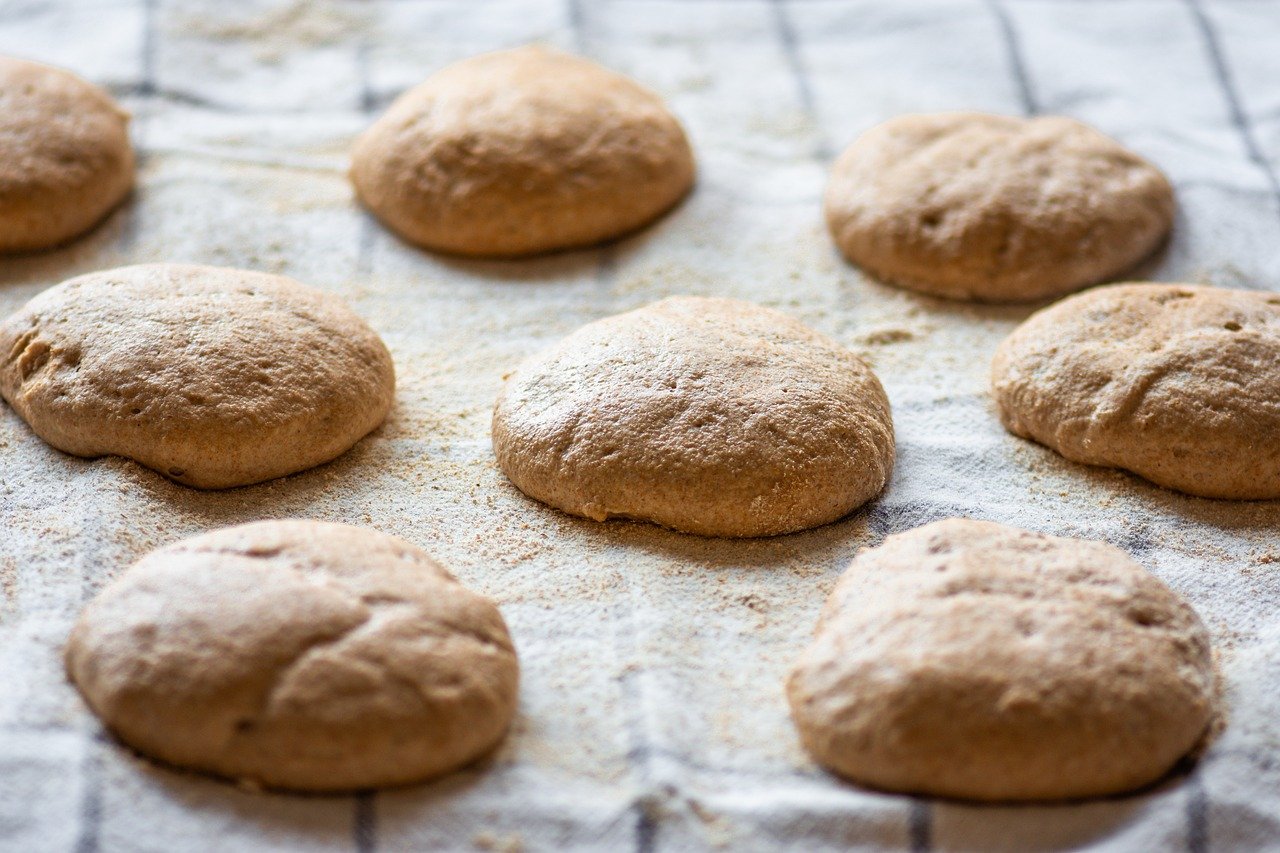
Let donuts proof at room temp until puffy and nearly doubled (30–45 minutes depending on room temp). They should be soft to the touch and hold an indentation slowly.
8. Preheat oil and test
Heat oil to 350°F (175°C). Use a thermometer. If you don’t have a thermometer, drop a small bit of dough — it should sizzle and brown within ~30–45 seconds.
9. Frying
Carefully lower 2–4 donuts into oil (do not overcrowd). Fry until golden, about 45–60 seconds per side for thin donuts, but adjust: yeast donuts often need about 1–1½ minutes per side. Flip once gently with a skimmer to cook evenly. Remove to wire rack set over a baking sheet lined with paper towels to drain.
Tip: Fry in batches and maintain oil temp at 350°F — if it drops, the donuts will absorb oil; if it’s too hot, they will brown too quickly and be raw inside.
10. Glaze
While donuts are warm (not hot), dip tops into the prepared glaze. Place back onto rack to let excess drip. Glaze sets in a few minutes.
Classic glaze preparation: combine sifted powdered sugar with milk and vanilla; whisk until smooth and glossy. Start with ½ cup milk and add more to desired consistency (thin enough to coat top but not run off completely).
11. Fill (optional)
For filled donuts (jelly or custard), let donuts cool slightly, then use a piping bag fitted with a long narrow tip to inject 2–3 tablespoons of filling into the side of each donut. Dust with powdered sugar or glaze.
Old-Fashioned Cake Donuts — quick and deeply satisfying
Yield: 10–12 donuts depending on cutter size
Time: ~30–45 minutes (active)
Ingredients (classic cake donut)
300 g (2 cups) all-purpose flour
100 g (½ cup) granulated sugar
2 tsp baking powder
¼ tsp baking soda
1 tsp ground cinnamon (optional)
½ tsp nutmeg (optional)
½ tsp fine salt
1 large egg
180 ml (¾ cup) whole milk or buttermilk
40 g (3 tbsp) unsalted butter, melted and cooled
1 tsp vanilla extract
Oil for frying
Method
Whisk dry ingredients in a bowl.
In another bowl, whisk egg, milk, melted butter, and vanilla.
Add wet to dry and mix until combined — do not overmix. Dough will be thick but spoonable/pullable.
Turn dough onto floured surface, roll to ¾-inch thickness. Cut donuts and holes.
Fry at 350°F for about 1–1½ minutes per side until golden. Drain on wire rack then toss in cinnamon-sugar or dip in glaze.
Baked cake donut alternative: Spoon or pipe batter into a greased donut pan and bake at 350°F (175°C) for 10–12 minutes, until set and lightly browned.
Glazes, icings, and toppings — recipes and techniques
A great donut often relies on a simple but perfect glaze. Here are recipes for classic and creative toppings.
1. Classic vanilla glaze (smooth, shiny)
2 cups (240 g) powdered sugar, sifted
¼ cup (60 ml) whole milk, plus extra as needed
1½ tsp vanilla extract
Pinch of salt
Whisk together powdered sugar and vanilla, add milk gradually until you reach pouring consistency. For a thin glaze, add a touch more milk. Dip warm donuts and allow to set.
2. Chocolate ganache glaze
170 g (6 oz) bittersweet chocolate, finely chopped
120 ml (½ cup) heavy cream
1 tbsp light corn syrup or honey (optional for shine)
Heat cream almost to simmer, pour over chocolate, let sit 1 minute, whisk to smooth, add corn syrup. Dip donuts while glaze still fluid.
3. Maple glaze
2 cups powdered sugar
¼ cup pure maple syrup
2–3 tbsp milk to adjust consistency
½ tsp vanilla and pinch of salt
Whisk to combine. Maple is slightly thinner; dip and immediately set on rack.
4. Cinnamon-sugar topping
1 cup granulated sugar
2–3 tbsp ground cinnamon
Toss fried warm donuts in a shallow bowl of cinnamon-sugar, turning to coat.
5. Strawberry glaze (fresh)
1 cup freeze-dried strawberry powder or 60–80 g puréed fresh strawberries reduced to thick paste
2 cups powdered sugar
2–3 tbsp milk or lemon juice to adjust
If using fresh fruit, cook down and strain seeds. Mix into powdered sugar to make vibrant glaze.
6. Lemon glaze
Zest of 1 lemon
2 cups powdered sugar
2–3 tbsp lemon juice
Mix to smooth, adjust for brightness.
7. Sticky caramel glaze (drizzle)
1 cup brown sugar
½ cup heavy cream
4 tbsp butter
Pinch of salt
Simmer until slightly thickened, cool slightly and drizzle over donuts.
8. Crumb & streusel topping
Make a simple streusel: ½ cup flour, ¼ cup brown sugar, ¼ tsp cinnamon, 4 tbsp cold butter. Rub until crumbly and bake in oven to crisp; sprinkle onto glaze.
Fillings — custards, creams, and jams
Pastry cream (thick custard) for filling
Yield: about 2 cups (sufficient for 12 filled donuts)
Ingredients:
500 ml (2 cups) whole milk
75 g (⅓ cup) granulated sugar
40 g (¼ cup) cornstarch
3 large egg yolks
30 g (2 tbsp) unsalted butter
1 tsp vanilla extract
Method:
Whisk sugar and cornstarch in a saucepan.
In a bowl, whisk yolks. Temper yolks by slowly pouring in a little hot milk while whisking. Add mixture back into pan.
Cook over medium heat, whisking, until mixture thickens and comes to a boil. Boil 1 minute until thick. Remove from heat, whisk in butter and vanilla. Chill covered with plastic on surface to prevent skin.
Use piping bag with a narrow tip to inject into donuts.
Simple jam filling
Use high-quality jam (strawberry, raspberry, apricot). Warm slightly to loosen, strain if seeds are undesirable, pipe via piping bag.
Bavarian cream / diplomat cream
Make pastry cream, fold in whipped cream (chilled) for lighter filling.
Flavor variations and seasonal ideas
Apple-cider spice donuts: add 2–3 tbsp reduced apple cider to glaze and pinch of cinnamon + cardamom in dough.
Pumpkin spice donuts: add ½ cup pumpkin purée to cake donut batter, increase spice (1 tsp cinnamon, ½ tsp ginger, ¼ tsp nutmeg or cloves), reduce milk slightly. Bake or fry carefully as batter is wetter.
Matcha glazed donuts: stir 1–2 tbsp culinary matcha powder into vanilla glaze.
Filled lemon curd donuts: inject lemon curd into use-the-same dough for a bright treat.
Savory donuts: top with herbed cream cheese, smoked salmon, capers for a brunch twist. Use a slightly less sweet dough.
Vegan donut adaptations
You can make both yeast and cake donuts vegan with simple substitutions.
Vegan yeast-raised donut tips
Replace eggs with flax eggs (1 tbsp ground flax + 3 tbsp water per egg) or a commercial egg replacer. Note: eggs contribute to texture and browning; donuts will be slightly different but delicious.
Use plant-based milk (soy, oat) warmed for yeast activation.
Use vegan butter or oil in place of butter.
For glaze, use plant-based milk and powdered sugar.
Vegan cake donut tips
Replace eggs with applesauce, mashed banana, or commercial replacer. Use ¼ cup applesauce per egg as starting point.
Use plant milk and vegan butter or oil.
Gluten-free donuts
Gluten-free donuts can be excellent, but require an appropriate blend and sometimes xanthan gum for structure.
General tips
Use a 1:1 gluten-free flour blend designed for baking (with binders).
Consider adding 1 tsp xanthan gum per cup of GF flour if your blend lacks it.
Expect a slightly different crumb and handle dough more gently.
Bake donuts often give better results than frying for gluten-free — they hold shape better.
Donut shaping and proofing tips
Thickness matters. Yeast donuts should be rolled to about ½-inch to ¾-inch thickness to get the classic bite. Cake donuts are best at ¾-inch thick for a good cake-to-crust ratio.
Chill before cutting. Chilling yeast dough for 15–30 minutes after rolling makes cleaner cuts and neater donuts.
Even thickness = even frying. Use a ruler or rolling guides if you want perfection.
Avoid overproofing. Overproofed donuts will not hold shape and may collapse in oil — they will also be too airy. Look for puffy, springy dough.
Test one first. Fry a single test donut. If it browns too fast, reduce temp; if it’s raw inside, increase temp slightly or fry slightly longer, but be mindful not to overbake the exterior.
Oil temperature and color guide
325–330°F (163–166°C): slow frying, yields less browning; good for thicker donuts to cook through.
350°F (175°C): sweet spot for most donuts—golden outside and cooked inside.
360–375°F (182–190°C): faster browning; useful for small donut holes or thinner donuts but risk of undercooking center if too high.
Color guide:
Pale golden (light): slightly underdone on exterior; short fry or lower heat.
Golden (beautiful): ideal.
Dark brown: overcooked; likely bitter and oily.
Troubleshooting common issues
Donut dough is too sticky
Add 1 tablespoon flour at a time while kneading until manageable. Use oiled hands for shaping rather than flouring heavily (excess flour can make donuts dry).
Donuts absorb too much oil
Oil temperature was too low. Preheat and maintain at 350°F. Avoid overcrowding. Drain on wire rack.
Donuts are raw inside and dark outside
Oil too hot or donuts too thick. Lower temp and finish cooking in slightly cooler oil or reduce thickness.
Donuts collapse after frying
Underproofed? Overproofed? If underproofed, they’ll be dense; if overproofed, they can collapse. Aim for donuts that are puffy but still hold shape.
Glaze won’t stick
If glaze slides off, either don’t dip while donuts are too hot (let cool for a few minutes so glaze adheres), or thicken glaze slightly. For a thicker coat, dip while the donut is warm but not dripping hot.
Make-ahead, storage, and freezing
Short-term (1–2 days): Store glazed donuts in an airtight container at room temp. For cake donuts, room temp is fine; for filled donuts with dairy custard, refrigerate and consume within 2 days.
Refrigeration: Refrigerate cream or custard-filled donuts. Let come to room temp before serving for better flavor.
Freezing: Freeze unglazed donuts in a single layer, then transfer to a zip-top bag. Freeze up to 2 months. Thaw at room temp and re-glaze if desired. For filled donuts, freeze without glaze then thaw and glaze when ready.
Reheating: For fried donuts, warm in a 325°F oven for 5–8 minutes to refresh. For microwaves, 7–12 seconds can revive a slice but will soften texture.
Scaling up for parties or events
Multiply ingredients proportionally. For large batches, consider multiple fryers or a commercial countertop fryer to speed up production.
Bake a portion of donuts to reduce frying labor (baked donuts are faster).
Set up an assembly line: fryers -> draining rack -> glaze station -> topping station -> packaging. Use insulation boxes to keep warm if required.
Presentation and serving suggestions
Dust with powdered sugar for rustic charm.
Offer a dipping station with various glazes and toppings for events.
Pair with coffees and teas: dark roast, chai, or a milky latte complement sweetness.
For brunch, offer savory donuts (bacon-maple, herbed cheese) alongside sweet options for balance.
Printable recipe cards (concise)
Yeast-Raised Classic Glazed Donuts — concise card
Yield: 12 donuts
Ingredients:
500 g flour, 50 g sugar, 8 g salt, 8 g instant yeast
180 ml warm milk, 2 eggs, 60 g butter, 1 tsp vanilla
Method: Mix dry, add wet, knead 6–8 min, first rise 60–90 min. Roll ½-inch, cut, proof 30–45 min. Fry at 350°F 1–1½ min per side. Glaze with powdered sugar + milk + vanilla.
Old-Fashioned Cake Donuts — concise card
Yield: 10–12 donuts
Ingredients:
300 g flour, 100 g sugar, 2 tsp baking powder, ¼ tsp baking soda, pinch salt, 1 egg, ¾ cup milk, 3 tbsp melted butter, 1 tsp vanilla
Method: Mix wet + dry, roll ¾-inch thickness, cut, fry 1–1½ min per side at 350°F. Toss in cinnamon-sugar or dip in glaze.
FAQs
Q: Can I reuse frying oil?
A: Yes. Strain cooled oil through cheesecloth and store in a sealed container in a cool, dark place. Use within a month and avoid reusing oil that’s dark or smells off. Avoid reusing after frying strong-flavored foods unless appropriate.
Q: Why didn’t my donuts rise?
A: Yeast might be dead; check expiration. Or dough was too cold, inhibiting yeast activity. Dough that’s too stiff also slows rise.
Q: Can I make donut holes?
A: Absolutely — either cut small balls from dough or use the center holes from cutters. Fry donut holes slightly less time (about 45–90 seconds, depending on size).
Q: How do I get a shiny glaze?
A: Add a small amount of corn syrup to the glaze (1 tbsp) for extra shine. Glazing warm donuts helps with adherence and sheen.
Q: Is there a difference between brioche and enriched donut dough?
A: Brioche dough has a higher butter content and may use more eggs for richness, resulting in an even richer donut (think gourmet brioche-style donuts).
Advanced tips from the pros
Retardation for flavor: After bulk fermentation, you can refrigerate the dough overnight (retardation). This develops a deeper flavor and makes dough easier to handle the next day. Remove and let come to room temp before shaping and proofing.
Use a scale for consistency: Weigh ingredients and dough balls for the most consistent batch-to-batch results. Aim for ~60–70 g per donut for standard size.
Fry at steady temps: Use smaller batches and a heavy-bottom pot. A cast-iron Dutch oven retains heat well.
Avoid excess flour on cutter: Dip cutter in oil instead of flour; this prevents floury donuts and mess.
Finish donuts with butter: Immediately after frying, brush with a little melted butter before glazing for a glossy, rich finish.
A small note on nutrition & moderation
Donuts are an indulgence — and that’s part of their charm. Using whole ingredients, controlling portion sizes, and balancing with fresh fruit or protein can make donuts a treat you enjoy mindfully. For lighter options, try baked donuts or smaller donut holes.
Wrapping up — your first-attempt checklist
If you’re making donuts for the first time, here’s a short checklist:
Read the full recipe before starting.
Measure ingredients carefully (use a scale).
Preheat frying oil and set thermometer ready.
Don’t overcrowd the fryer.
Keep a wire rack for draining and a sheet pan for finished donuts.
Have glaze and toppings ready before your first batch comes out.
Fry a test donut and adjust oil temp and timing if needed.
Enjoy the process — donuts are fun to make and share.