
How to make Salmon Quiche Recipe
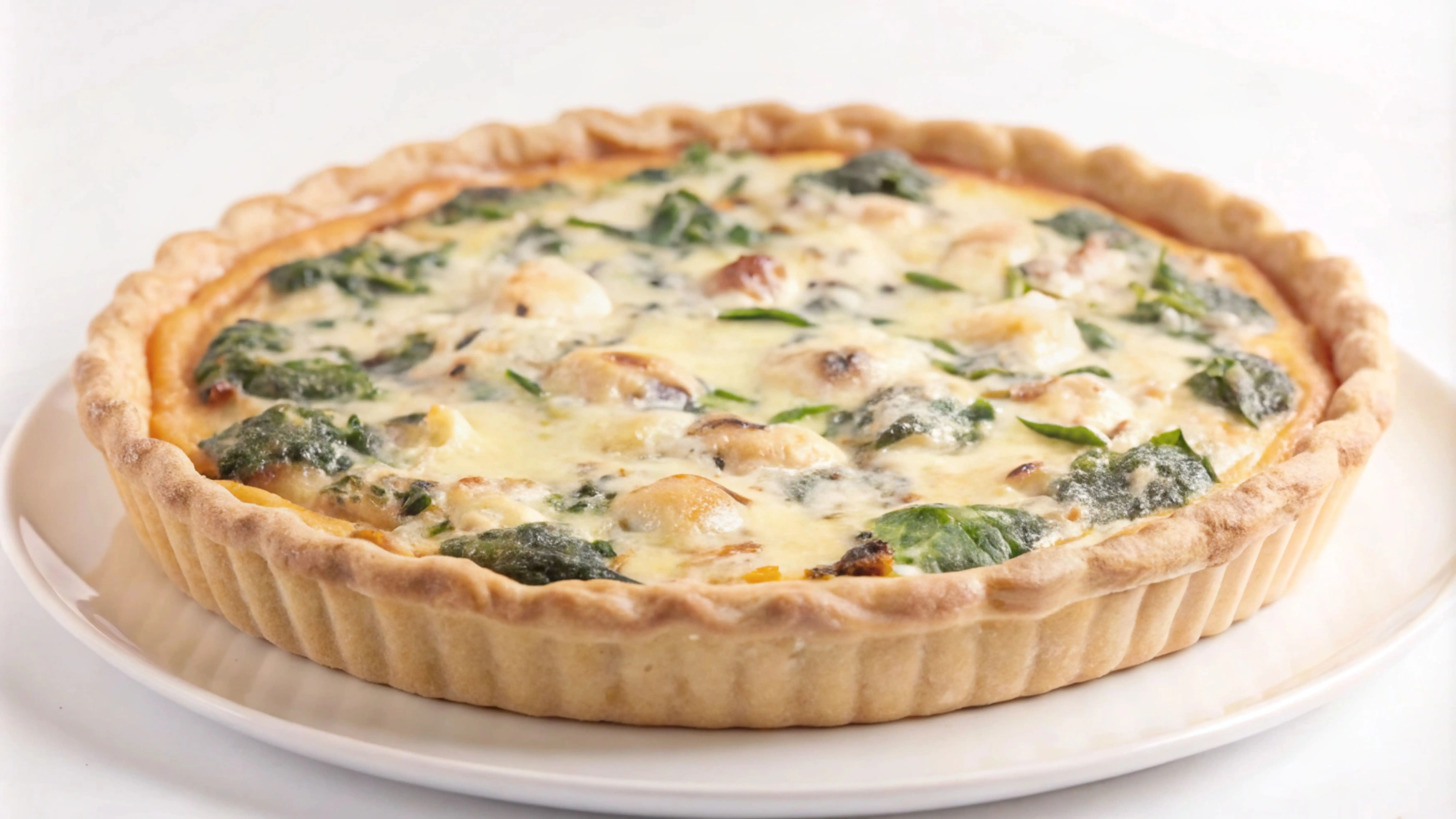
Quick Recipe Summary
Prep Time: 30 minutes (plus 1 hour chilling time for homemade dough)
Cook Time: 45–55 minutes
Total Time: Approx. 2 hours
Yields: 1 (9-inch) Quiche (8 servings)
Category: Brunch / Dinner
Method: Oven Baked / Blind Baking
Key Flavor Profile: Rich custard, savory salmon, bright dill, buttery crust.
Introduction
There are few dishes in the culinary repertoire as elegant, versatile, and satisfying as a well-made quiche. While the classic Quiche Lorraine often steals the spotlight with its bacon and Gruyère combination, the Salmon Quiche is the sophisticated cousin that deserves a permanent spot in your recipe rotation.
Imagine a buttery, flaky crust that shatters delicately when you cut into it. Inside rests a filling that is the very definition of luxury: a silken, trembling custard that suspends tender flakes of pink salmon, aromatic herbs, and perhaps a sharp bite of cheese or the earthiness of sautéed aromatics. It is a dish that bridges the gap between a rustic farmhouse lunch and a high-end brunch centerpiece.
Whether you are looking to use up leftover baked salmon from last night's dinner, you have a pack of high-quality smoked salmon you want to showcase, or you are simply craving comfort food that feels "light" yet rich, this recipe is the answer.
In this extensive guide, we aren't just going to toss ingredients into a pie shell. We are going to explore the science of the perfect custard, the art of the blind bake, and the balance of flavors that makes a salmon quiche sing. This is a masterclass in savory baking.
What Makes This Recipe Special
Why should you choose this specific recipe over the thousands of others available online? It comes down to texture management and flavor layering.
The "Jiggle" Factor: Many quiche recipes result in a rubbery, overcooked egg texture reminiscent of a dense omelet. This recipe uses a specific ratio of dairy to eggs (the classic French appareil à crème prise) to ensure the filling is creamy, velvety, and barely set.
No Soggy Bottoms: We tackle the number one enemy of quiche—the soggy crust—head-on. By detailing the blind baking process and using an egg wash barrier, we ensure your crust remains crisp and distinct from the filling.
Versatility of Protein: This guide teaches you how to handle fresh salmon, hot smoked salmon, and cold smoked salmon (lox style) differently, so you can cook with whatever you have on hand.
Aromatic Balance: Salmon is a fatty, rich fish. Without the right counter-notes, the dish can feel heavy. We incorporate lemon zest, fresh dill, and chives to cut through the richness, providing a bright, refreshing finish to every bite.
Ingredients (With Detailed Explanations)
Great cooking starts with understanding your ingredients. Here is exactly what you need and, more importantly, why you need it.
The Foundation: The Crust
You have two options here: a high-quality store-bought dough or homemade. For this detailed guide, we recommend homemade Pâte Brisée (Savory Shortcrust Pastry).
All-Purpose Flour (1 ¼ cups): The standard protein content in AP flour provides enough structure to hold the heavy filling but is soft enough to yield a tender crumb.
Cold Unsalted Butter (½ cup / 1 stick): The butter must be absolutely ice cold. When cold butter hits the hot oven, the water inside it evaporates into steam, creating pockets of air. This is what creates flakes. If the butter melts before baking, you get a greasy, dense crust.
Ice Water (3–5 tablespoons): Keeps the butter cold during mixing and hydrates the flour just enough to bring the dough together.
Salt (½ teaspoon): Flavor is essential, even in the crust.
Sugar (½ teaspoon - Optional): Just a pinch aids in browning, though it won't make the crust sweet.
The Star: The Salmon
Salmon (approx. 8–10 oz):
Fresh Poached/Roasted: If using fresh salmon, cook it gently first. It offers a subtle flavor and meaty texture.
Hot Smoked Salmon: This is often the best choice. It comes fully cooked, flakes beautifully, and adds a deep, wood-fired flavor to the custard.
Cold Smoked Salmon (Lox): Use sparingly. It is saltier and can change texture when baked. If using this, chop it roughly.
Canned Salmon: A budget-friendly option. Ensure you remove skin and bones and drain it very thoroughly to prevent a watery quiche.
The Custard (The Appareil)
Large Eggs (4 large): The binding agent. Four is the magic number for a standard 9-inch pie dish; it provides structure without becoming rubbery.
Heavy Cream (1 cup) & Whole Milk (½ cup): A mix is crucial. All cream can be too heavy; all milk can curdle or result in a watery custard. This ratio creates a rich, silky mouthfeel.
Salt & White Pepper: White pepper is traditional in French cream sauces and eggs as it provides heat without black specks ruining the visual of the yellow custard.
Nutmeg (1 pinch): Freshly grated. Nutmeg is the secret weapon in dairy-based dishes. It adds an indistinguishable depth that makes people ask, "What is that amazing flavor?"
The Flavor Agents (Mix-ins)
Shallots (2 medium): Shallots offer a refined, sweet onion flavor that isn't as harsh as yellow onions.
Fresh Dill (2 tablespoons, chopped): Salmon and dill are best friends. The grassy, anise-like quality of dill cuts the fat.
Fresh Chives (1 tablespoon): For a mild onion bite and bright green color.
Lemon Zest (1 teaspoon): Essential. The oils from the zest brighten the entire dish.
Cheese (½ cup - Optional): While seafood and cheese are sometimes controversial, in a quiche, they work. Gruyère, Swiss, or Goat Cheese (Chèvre) are the best pairings for salmon. Avoid cheddar, which can be too oily and overpowering.
Step-by-Step Instructions
We will break this down into phases to make the process manageable and stress-free.
Phase 1: The Crust (Preparation and Blind Baking)
The crust is the vessel. If the vessel fails, the ship sinks.
Make the Dough:
In a food processor (or bowl), pulse the flour, salt, and sugar.
Add the cubed cold butter. Pulse about 8–10 times until the mixture looks like coarse meal with some pea-sized pieces of butter remaining.
Drizzle in the ice water, one tablespoon at a time, pulsing. Stop immediately when the dough begins to clump together.
Turn onto a surface, gather into a disc, wrap in plastic, and chill for at least 1 hour. This relaxes the gluten (preventing shrinkage).
Roll and Shape:
On a lightly floured surface, roll the dough into a 12-inch circle (about 1/8 inch thick).
Gently transfer to your 9-inch pie dish or tart pan.
Tip: Do not stretch the dough. Lift it and let it fall into the corners. Stretching causes it to snap back and shrink in the oven.
Trim the edges or crimp them. Prick the bottom all over with a fork (this is called "docking") to prevent air bubbles.
Freeze the shell for 20 minutes. This is a pro tip. Freezing solidifies the fat again, ensuring the edges stay tall during baking.
Blind Bake (Par-Baking):
Preheat oven to 375°F (190°C).
Take the crust out of the freezer. Line it tightly with parchment paper or aluminum foil. Fill it to the brim with pie weights, dried beans, or uncooked rice.
Bake for 20 minutes.
Remove the weights and paper. Bake for another 5–8 minutes until the bottom looks dry and barely golden.
The Seal: Brush the warm crust with a little beaten egg white (save the yolk for the filling). Put it back in the oven for 2 minutes. This creates an impermeable seal so the liquid filling won't make the crust soggy. Set aside to cool slightly. Reduce oven temperature to 350°F (175°C).
Phase 2: Preparing the Filling Ingredients
Never put raw, watery vegetables into a quiche.
Sauté Aromatics:
Melt a tablespoon of butter in a skillet over medium heat.
Add the finely minced shallots. Sauté for 3–4 minutes until soft and translucent, but not browned.
If you are adding other vegetables (like spinach or asparagus), cook them now with the shallots until all moisture has evaporated.
Set aside to cool. Do not add hot mix-ins to the egg mixture, or you will scramble the eggs prematurely.
Prep the Salmon:
If using fresh salmon: Poach or roast it until just cooked through. Flake it into bite-sized chunks.
If using smoked salmon: Tear into pieces.
Check carefully for pin bones.
Phase 3: The Custard & Assembly
Whisk the Custard:
In a large bowl, whisk the eggs thoroughly.
Pour in the heavy cream and whole milk. Whisk until fully combined and slightly frothy.
Add the salt, white pepper, grated nutmeg, lemon zest, chopped dill, and chives.
Tip: Whisking introduces air. If you want a denser, incredibly smooth custard, you can strain this mixture, but for a rustic quiche with herbs, simply whisking is fine.
Layering (The Stratification Method):
Do not just dump everything into the bowl and pour.
Layer 1: Scatter the cooked shallots and cheese (if using) evenly over the bottom of the pre-baked crust.
Layer 2: Arrange the salmon pieces evenly on top of the cheese/onions.
Layer 3: Slowly pour the custard mixture over the fillings. It will fill the gaps.
Check: Ensure the ingredients are submerged or peeking out attractively. You may need to gently wiggle the pan to distribute the liquid.
Phase 4: The Bake
Baking:
Place the pie dish on a baking sheet (to catch any spills) and slide it into the 350°F (175°C) oven.
Bake for 45 to 55 minutes.
The Doneness Test (Crucial):
Do not overcook. The center should not be solid rock.
When you gently shake the pan, the outer edges should be set and puffy, but the very center (about the size of a lemon) should still have a slight "wobble" or "jiggle."
It will continue to cook and set as it cools (carryover cooking). If it's solid in the oven, it will be dry on the plate.
Cooling:
This is the hardest part: Wait.
You must let the quiche cool on a wire rack for at least 20 to 30 minutes before slicing. If you cut it hot, the custard will weep and collapse. It needs time to structure itself.
Important Tips & Tricks for Perfection
To elevate your salmon quiche from "good" to "Michelin-star quality," keep these tips in mind:
The Cheese Trick: If you are worried about the bottom crust, sprinkle a thin layer of grated cheese on the hot crust right after blind baking. It melts and creates an oily barrier against moisture.
Ingredient Temperature: While the butter for the crust must be cold, the eggs and milk for the filling should be at room temperature. This helps them emulsify better and reduces baking time slightly, ensuring even cooking.
Pie Shields: If the edges of your crust are browning too fast but the center is still liquid, cover the edges with a pie shield or a ring of aluminum foil.
Salt Management: Smoked salmon and cheese are salty. If using both, reduce the added salt in the egg mixture to avoid a salt bomb.
Herbs: Always use fresh herbs if possible. Dried herbs do not provide the same lift to the fatty fish. If you must use dried dill, use 1/3 the amount.
Common Mistakes & How to Avoid Them
Even experienced cooks trip up on quiche. Here are the pitfalls:
1. The Soggy Bottom
Cause: Under-baking the crust blindly, or filling sitting in the raw dough too long.
Fix: Never skip the blind bake. Use the egg-white seal technique described in Phase 1.
2. Curdled/Scrambled Texture
Cause: Oven too hot or baked too long.
Fix: Low and slow is better. Stick to 350°F (175°C) or even 325°F (160°C) if your oven runs hot. Pull it out when it still jiggles!
3. Watery Filling
Cause: Watery vegetables or wet fish.
Fix: Sauté spinach or mushrooms until bone dry. Squeeze liquid out of canned salmon.
4. Bland Flavor
Cause: Under-seasoning the custard.
Fix: Remember that cold foods require more seasoning than hot foods. If you plan to serve this room temperature, be slightly generous with the salt and pepper.
Recipe Variations
Salmon is incredibly adaptable. Try these variations to keep things exciting:
1. Quiche Florentine with Salmon
Add 1 cup of cooked, squeezed-dry spinach to the filling. The earthiness of spinach pairs beautifully with the fish and nutmeg.
2. The "Everything Bagel" Quiche
Use smoked salmon, cream cheese chunks instead of Gruyère, and sprinkle "Everything Bagel Seasoning" (sesame, poppy seeds, onion, garlic) on top of the crust rim.
3. Asparagus & Goat Cheese
In the spring, replace shallots with blanched, chopped asparagus. Use crumbled goat cheese (chèvre) for a tangy contrast to the sweet salmon.
4. Crustless Salmon Quiche (Gluten-Free/Keto)
Grease a pie dish heavily with butter. Skip the crust entirely. Add a tablespoon of coconut flour or almond flour to the egg mixture for stability. Bake as usual (check at 35 minutes).
5. Dairy-Free Option
Substitute the heavy cream and milk with full-fat canned coconut milk (shake the can well) or a thick oat milk barista blend. Use olive oil instead of butter for the crust.
Storage & Reheating
Quiche is one of the best "make-ahead" meals in existence.
Refrigeration:
Allow the quiche to cool completely. Wrap tightly in plastic wrap or aluminum foil. It will stay fresh in the refrigerator for 3 to 4 days.
Freezing:
Whole Quiche: Flash freeze the cooked, cooled quiche on a baking sheet until hard. Then wrap in two layers of plastic wrap and one layer of foil. Freeze for up to 3 months.
Slices: Wrap individual slices in parchment and then foil for easy grab-and-go lunches.
Reheating:
The Oven (Best Method): Preheat to 350°F (175°C). Place the quiche (covered loosely with foil) on a baking sheet. Heat for 15–20 minutes. This re-crisps the crust.
The Microwave (Emergency Only): This will make the crust soggy and the eggs rubbery. If you must, use 50% power for short intervals.
Serving Suggestions
A rich Salmon Quiche needs acid and crunch on the side to create a balanced meal.
The Simple Green Salad:
Arugula or mixed greens tossed with a sharp Lemon Vinaigrette (lemon juice, olive oil, Dijon mustard, honey). The peppery arugula cuts the richness of the custard.
Roasted Potatoes:
If serving for dinner, herb-roasted baby potatoes add bulk to the meal.
Fruit Salad:
For brunch, a side of citrus segments (grapefruit and orange) or berries works perfectly.
Beverage Pairings:
Wine: A crisp Sauvignon Blanc, an oaked Chardonnay, or a dry Rosé.
Cocktails: Mimosas or a Bloody Mary.
Non-Alcoholic: Sparkling water with cucumber and lime, or hot Earl Grey tea.
Nutrition Facts (Estimated)
Based on 1 slice (1/8 of quiche) made with butter crust and heavy cream/milk blend.
Nutrient | Amount per Serving |
Calories | 420 kcal |
Total Fat | 32g |
Saturated Fat | 14g |
Cholesterol | 165mg |
Sodium | 480mg |
Carbohydrates | 18g |
Dietary Fiber | 1g |
Sugars | 2g |
Protein | 16g |
Calcium | 15% DV |
Vitamin D | 10% DV |
Note: Nutrition will vary based on the specific brand of crust, type of salmon, and cheese used.
Frequently Asked Questions (FAQ)
Q: Can I use milk instead of heavy cream?
A: You can use whole milk entirely, but the texture will be less creamy and more like a frittata. Avoid skim milk, as it may cause the quiche to separate and become watery. Half-and-half is a great middle-ground substitute.
Q: Why did my quiche collapse when I took it out?
A: Quiches puff up in the oven due to the steam and egg expansion. It is normal for them to deflate slightly as they cool. However, if it collapses significantly, it was likely cut while too hot or the egg ratio was off (too much liquid).
Q: Can I use canned salmon?
A: Yes! Canned salmon is a great pantry staple. Just be sure to remove the skin and bones (unless you buy the boneless/skinless variety) and drain it very thoroughly. Maybe even pat it dry with paper towels.
Q: How do I know if my blind bake is done?
A: The crust should look matte, not shiny or raw. The edges should be golden brown. If the bottom looks slightly wet, it needs more time.
Q: Can I make the quiche the night before?
A: Absolutely. In fact, many people prefer quiche served at room temperature or reheated the next day, as the flavors have had time to meld and the custard has set perfectly.
Q: My crust burns before the filling is set. What do I do?
A: This usually happens if the rack is too high in the oven. Bake in the lower third of the oven. If it's still happening, use a pie shield or foil ring to cover the crust edges for the last 20 minutes of baking.
Conclusion
Making a Salmon Quiche from scratch is an act of culinary love. While it requires a bit of patience—specifically regarding the crust and the cooling time—the result is infinitely superior to anything you can buy in a store.
When you pull that golden, aromatic pie out of the oven, smelling of butter, toasted pastry, and savory herbs, you’ve created more than just dinner. You’ve created a comfort food masterpiece that works for a fancy Easter brunch, a cozy winter dinner, or a light summer lunch.
Mastering the custard ratio and the blind bake technique opens the door to endless variations. Once you nail this salmon version, you can apply these skills to vegetable quiches, meat lovers' quiches, and more. But we suspect you’ll keep coming back to this combination of rich salmon and bright dill—it is simply timeless.