
Kalimera Famous Chicken Gyros
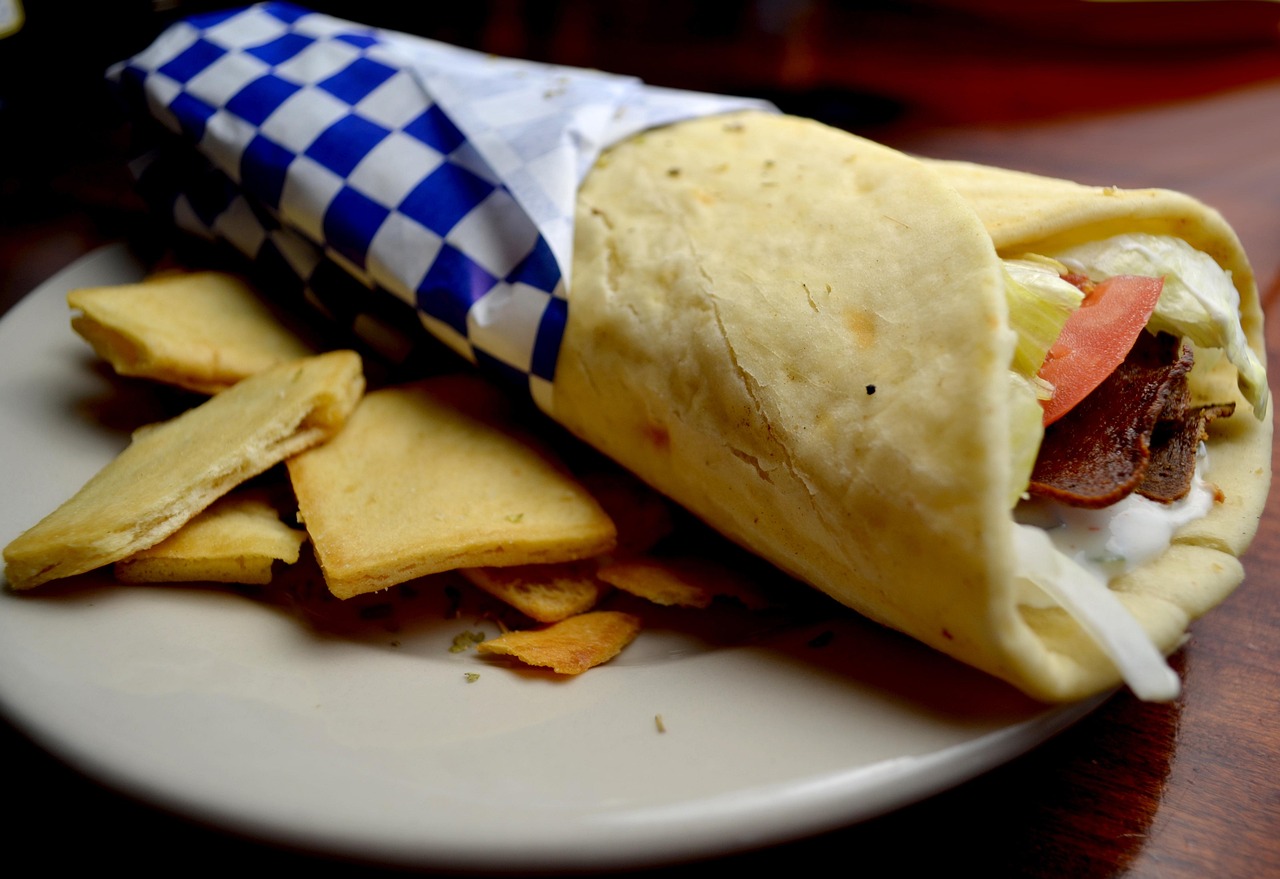
Kalimera — a bright little kitchen where the smell of charred lemon, warm pita and garlicky yogurt hangs in the air like a promise. This is the story of their famous chicken gyros: how it came to be, why people line up for it, and exactly how you can make the same juicy, fragrant, slightly charred, melt-in-your-mouth chicken gyros at home. Expect history, technique, step-by-step recipes (including tzatziki and house hot sauce), troubleshooting, plating and photography tips, party-scaling instructions, and creative variations for every diet. This is the only gyros guide you’ll need.
Why this gyros is special
Kalimera’s chicken gyros are famous for three qualities that, when combined, create something addictive:
Bright, balanced marinade — citrus and aromatics cut through the fat and deepen as they caramelize.
Proper char and quick sear — a hot surface gives texture and the Maillard flavors that feel like “restaurant” food at home.
Layered accompaniments — pillowy pita, tangy tzatziki, pickled veg and a crunchy herb salad — each element is simple but built to complement.
Those three things — marinade, heat, and finishing — are the backbone of every excellent gyro. Below we’ll unpack every piece so you can replicate (and adapt) it in your kitchen.
A short (and useful) primer: what is a gyro?
“Gyro” (pronounced YEE-ro or JEE-ro depending on region) is the Greek sandwich built around vertically roasted meat (traditionally pork or lamb, sometimes beef), shaved and wrapped in pita with tomato, onion and tzatziki. Chicken gyros swap the classic meats for marinated, grilled or roasted chicken — often sliced thin and stacked, or charred quickly on a grill or cast iron.
Important takeaway: a gyro is about contrast — hot meat, cool sauce, soft bread, crisp vegetables, bright acid. If you keep those contrasts in mind you’ll succeed with almost any variant.
The Kalimera approach — philosophy before formula
Kalimera’s gyros follow a kitchen philosophy that’s helpful to borrow:
Respect the ingredient: use fresh lemon, good olive oil, fresh garlic and cucumber. Subpar produce can’t be fixed by technique.
Go bold on aromatics: thyme, oregano, garlic, and lemon form the backbone; a touch of smoked paprika or cumin adds warmth.
Don’t overcomplicate the build: each component should have a clear role.
Finish with acidity: a squeeze of lemon or dash of vinegar at the end wakes the dish up.
With philosophy in place, here’s the recipe.
Kalimera’s Famous Chicken Gyros — The Full Recipe
Yields: about 6–8 gyros (depending on pita size)
Hands-on time: 40–60 minutes (plus marinade time)
Total time: 3–24 hours depending on marinade
Ingredients
For the chicken and marinade
2 kg (4.4 lb) boneless, skinless chicken thighs (preferred) or 3 large chicken breasts (if you prefer leaner)
120 ml (½ cup) extra-virgin olive oil
120 ml (½ cup) Greek yogurt (optional — adds tenderness)
2 large lemons — zest and juice (about 6 tbsp juice)
6 cloves garlic, minced
2 tbsp red wine vinegar or white wine vinegar
2 tbsp dried oregano (or 3 tbsp fresh, finely chopped)
1 tbsp smoked paprika
1 tsp ground cumin
1 tsp ground coriander (optional)
2 tsp kosher salt (adjust to taste)
1 tsp freshly ground black pepper
1–2 tsp honey or sugar (to help with browning; optional)
Pinch of crushed red pepper flakes (optional, for a touch of heat)
For the tzatziki
2 cups (480 g) full-fat plain Greek yogurt
1 large English cucumber (or 1½ small), grated and drained
3–4 cloves garlic, minced (start with 2 and taste)
2 tbsp extra-virgin olive oil
1–2 tbsp lemon juice (to taste)
1 tbsp chopped fresh dill (or 1 tsp dried)
Salt and freshly ground pepper to taste
For the assembly
8–10 pita breads (Greek-style, slightly thicker than thin Middle Eastern pita)
2 medium red onions, thinly sliced
4 ripe tomatoes, sliced or chopped
1 cup chopped fresh parsley or herb salad (parsley + mint + dill)
Pickled cucumbers or quick-pickled onions (see quick-pickle recipe below)
Optional: shredded lettuce or thin cabbage for crunch
Kalimera House Hot Sauce (recipe below)
Lemon wedges for serving
Step-by-step method
1. Prep the chicken
Trim excess fat and silver skin. If using thighs, consider leaving them whole and slicing after cooking (for juicier results). Optionally, butterfly breasts or pound them to an even thickness if you plan to cook them in a pan and slice.
2. Make the marinade
In a large bowl whisk together olive oil, yogurt (if using), lemon zest + juice, garlic, vinegar, oregano, paprika, cumin, coriander, salt, pepper and honey. Taste for seasoning: it should be lively and a bit salty — the marinade flavors heavily influence the chicken.
3. Marinate
Place chicken in a zip-top bag or bowl and pour marinade over it. Press out excess air and refrigerate. Marinate at least 2 hours, preferably 6–12 hours. If short on time 30–60 minutes will help but won’t penetrate deeply.
Pro tip: chicken thighs take on the flavors better than breasts and stay juicier when cooked hot.
4. Make tzatziki
Grate the cucumber into a sieve or clean kitchen towel, squeeze out as much water as possible (this step is crucial — watery tzatziki = sad tzatziki). Combine with yogurt, garlic, olive oil, lemon juice, dill, salt and pepper. Chill for at least 30 minutes to let flavors marry.
5. Quick pickles (optional but recommended)
Thinly slice red onion and place in a bowl. Add ½ cup white wine vinegar, ½ cup water, 3 tbsp sugar, 1 tbsp salt, and a pinch of black pepper. Let sit 20–30 minutes (or refrigerate overnight). These bright pickles cut the richness.
6. Cook the chicken — three options
A. Cast-iron pan (fast, excellent char)
Heat a heavy cast-iron skillet until smoking hot. Add a little oil.
Remove chicken from marinade, let excess drip off (but don’t wipe dry).
Sear 3–5 minutes per side for thighs (depending on thickness), until a deep golden-brown crust forms and internal temperature reaches 74°C (165°F). Rest 5–10 minutes, then slice thin.
B. Grill (smoky, outdoors)
Preheat grill to medium-high. Oil grates. Sear 6–8 minutes per side (thighs) until charred and cooked through. Rest, then slice.
C. Oven-roasted (hands-off, good for large batches)
Preheat oven to 220°C (425°F). Roast chicken on a rimmed sheet or in a roasting pan for 20–30 minutes (depending on thickness) until internal temp hits 74°C (165°F). Optional: broil the last 2–3 minutes to create char. Rest, then slice.
Important: Resting is essential. Juices redistribute; slicing too early makes meat dry.
7. Warm the pitas
Quickly warm pitas on the grill, in a dry pan, or wrapped in foil in a low oven. You want them warm, soft and pliable.
8. Assemble
Layer a warm pita with 2–3 tbsp tzatziki, a handful of sliced chicken, tomatoes, red onions or pickles, herb salad, a drizzle of Kalimera hot sauce, and a squeeze of lemon. Fold and wrap in parchment for easy eating.
Kalimera House Hot Sauce
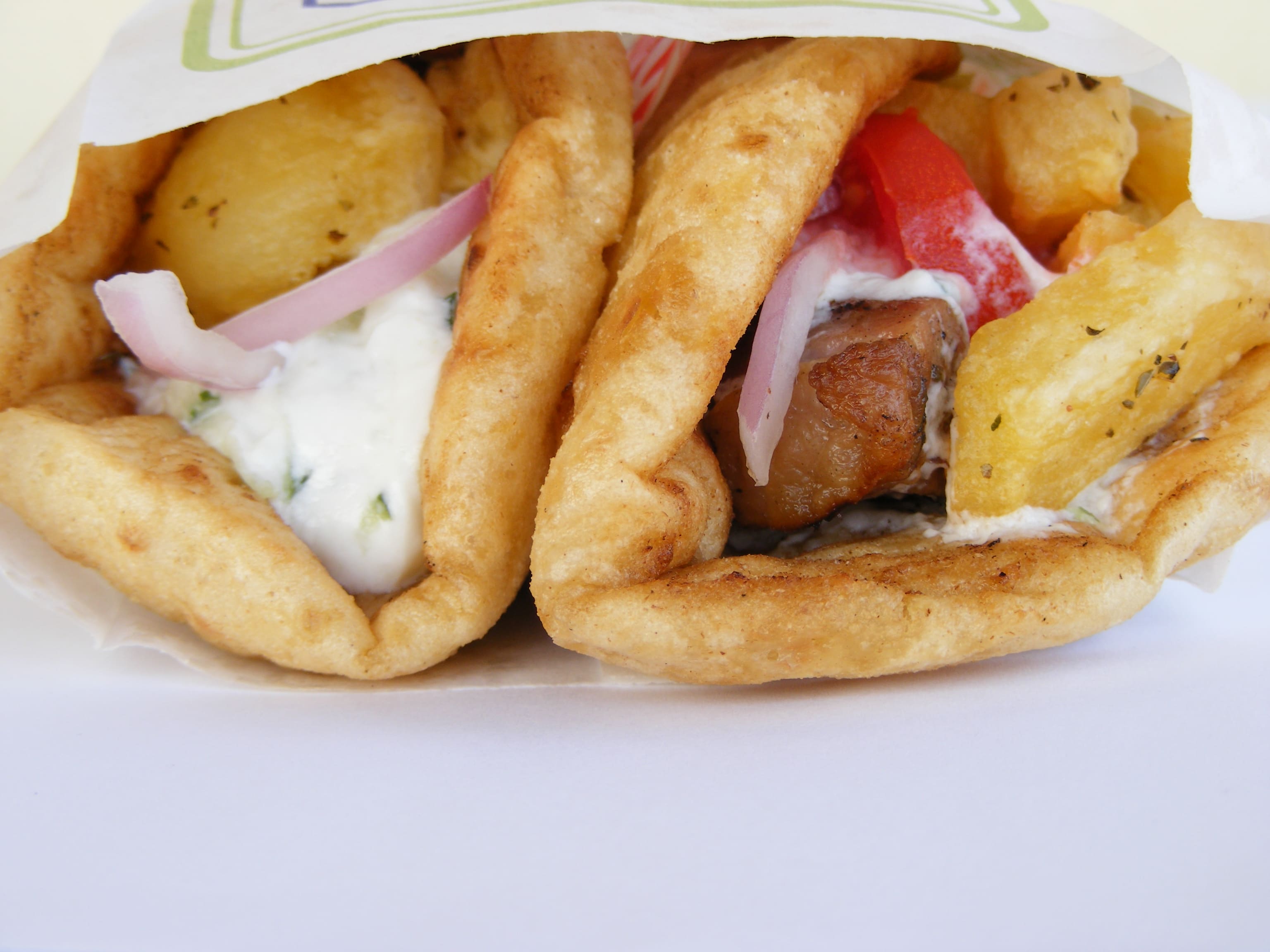
A bright, a little smoky, and spicy sauce that lifts grilled chicken.
Ingredients
4 medium red peppers (roasted and peeled) or 1 jar roasted red peppers, drained
2–3 tbsp Aleppo pepper or smoked paprika
1–2 small hot chilies (e.g., fresno or red jalapeño), seeded if you prefer less heat
1 small garlic clove
2 tbsp red wine vinegar
2 tbsp olive oil
1 tsp sugar (optional)
Salt to taste
Method
Blend all ingredients until smooth. Adjust acidity and heat to taste. Chill. Keeps 1–2 weeks refrigerated.
Troubleshooting (what to do when things go wrong)
Gyro is bland — add salt in layers. Season the marinade and the final sliced chicken lightly again. Add more lemon or vinegar. Bright acid is a gyro’s friend.
Chicken is dry — most likely overcooked. Use thighs next time or reduce cooking time slightly. Also rest the meat for 5–10 minutes before slicing. For immediate salvage: slice thin and toss with a little olive oil + lemon juice or a splash of stock to moisten.
Tzatziki is watery — you didn’t drain the grated cucumber thoroughly. Squeeze it hard or use a cheesecloth. If already made, let it strain in a sieve for 30–60 minutes.
Pita tears or is chewy — warm the pita gently and avoid overheating. Brushing with a tiny bit of oil and warming briefly on a hot pan improves pliability.
No char — you need higher heat and a dry pan/grill. Pat chicken dry (but leave some marinade cling for flavor), and don’t crowd the pan.
Variations & adaptations
Kalimera’s gyros are endlessly adaptable. Here are tested options:
For vegetarians
Halloumi gyros: Thick slices of halloumi, griddled until golden. Assemble as with chicken.
Portobello mushroom: Marinate large portobello caps in the same marinade and grill.
Jackfruit or seitan: Use spiced shredded jackfruit sautéed with a touch of smoked paprika and tomato paste.
For lower-carb
Use lettuce wraps or grilled flatbreads made from almond flour or cauliflower crust.
Spicy versions
Add chili paste or harissa to the marinade.
Use spicy pickled peppers or finish with Kalimera hot sauce.
Smoky / Mediterranean twist
Add rosemary and smoked paprika to the marinade; serve with roasted red pepper compote.
Make it Greek-traditional
Use lamb or pork with oregano and lots of lemon; slice thin from a vertical spit if you can (or bake stacked slices).
Make-ahead & party scaling
A frequent request: "I want to serve gyros to 30 people." Kalimera’s approach: cook in bulk, keep components separate, and assemble to order.
Scaling rules
Plan 150–200 g of cooked chicken per person for generous servings.
Make tzatziki, pickles, and hot sauce the day before — flavors improve with time.
Warm pitas in stacks covered with foil; reheat briefly in batches.
Cook chicken in batches on a large sheet pan (roast at 220°C) or use a rotisserie if available.
Assembly line
Warm pitas
Smear tzatziki
Add chicken
Add tomato, onion, pickles
Herb garnish
Wrap and serve
Provide small bowls with extra tzatziki, hot sauce, and lemon wedges so guests can customize.
Nutrition and portioning (approximate)
A typical assembled chicken gyro with pita, tzatziki, and veg (1 medium pita, ~180 g cooked chicken, 2 tbsp tzatziki) is roughly:
Calories: 600–800 kcal (varies by portion size, pita type and yogurt fat content)
Protein: 35–50 g
Fat: 20–35 g
Carbs: 50–70 g
To reduce calories, use less pita, leaner cuts of chicken, and lower-fat yogurt for tzatziki.
Ingredient notes & substitutions
Chicken thighs: preferred for flavor and juiciness. If you must use breasts, brine them briefly (30 minutes in 4% salt solution) for improved juiciness.
Greek yogurt: full-fat for creaminess; low-fat works but can be thinner.
Oregano: Greek oregano if available — it’s more floral. Dried oregano is potent so reduce quantity if you prefer subtler herbiness.
Aleppo pepper: mild and fruity; substitute with crushed red pepper + a pinch of smoked paprika if unavailable.
Pita: look for “Greek pita” at bakeries; supermarket “pocket” pitas can work but are sometimes too thin.
Sensory cues — how to know things are right
Marinade smell: You should smell bright lemon, garlic and oregano — if any one aroma dominates aggressively, rebalance with more olive oil or yogurt.
Chicken exterior: deep golden-brown with small blistered char spots — not uniformly black, not pale.
Juiciness: slicing across a thigh should release a few clear juices, not a torrent of pink.
Tzatziki texture: creamy with tiny cucumber flecks, not soupy.
Finished gyro: warm bread, a little steam from chicken, cool sauce, and a lemony brightness on the finish.
Plating and photography tips (make it look as good as it tastes)
If you want to photograph your gyros for a blog or social feed, small styling choices make a big difference.
Use natural light — soft window light works best. Avoid harsh overhead flash.
Add movement — show a hand squeezing lemon or a drizzle of tzatziki. Movement tells a story.
Cut to reveal — slice a gyro in half at a slight angle and show the layers of chicken, sauce and pickles.
Keep sauces neat — wipe excess from the pita edges to avoid a messy look.
Use parchment — wrapping in parchment or kraft paper adds texture and suggests street-food authenticity.
Props — small bowls with tzatziki and hot sauce, scattered herbs, and a halved lemon are good supporting actors.
Color contrast — red tomatoes, purple onions, and green herbs make the image pop.
Make it a menu — side dishes & beverage pairings
Classic pairings
Greek salad: chopped cucumbers, tomatoes, red onion, olives, feta, oregano, olive oil.
Crispy fries: thin, twice-fried or oven-roasted. Sprinkle with oregano and lemon.
Spanakopita triangles or cheese pies.
Lemon potatoes: roasted with oregano and olive oil.
Drinks
Ouzo (traditional, anise-forward) for an authentic Greek feel.
A crisp lager or dry rosé for refreshing contrast.
Iced tea with lemon for non-alcoholic pairing.
Advanced technique: stacking and shaving (for true gyro authenticity)
If you want to mimic the vertical-spit shaved gyro meat (doner-style) at home:
Thinly slice marinated boneless meat.
Layer slices tightly on a skewer, compressing into a tower.
Roast vertically if you have a rotisserie attachment or place the stack on a skewer in an oven and roast slowly at 200°C, turning occasionally.
Shave thinly with an electric knife or sharp chef’s knife.
You won’t exactly replicate commercial rotisserie flavor without a lot of fat and flame, but the approach yields thin, tender slices that carry sauce well.
Flavor-forward finishing touches
Sumac: sprinkle on tomatoes or finished gyro for lemony tang.
Finely chopped mint: brightens and lifts the rich chicken.
Toasted sesame: sprinkle on tzatziki for nutty crunch.
Quick charred lemon: briefly char lemon halves on the grill and squeeze for a smoky citrus finish.
A quick kitchen cheat-sheet (printable)
Marinate: 2–12 hours (longer = more flavor)
Cook thighs: high heat, 3–6 min per side (pan); 6–8 min per side (grill)
Target internal temp: 74°C (165°F)
Rest: 5–10 min
Drain cucumber thoroughly for tzatziki
Warm pita: 30–60 seconds each in pan or 2 min in oven
Assembly: tzatziki → chicken → veg → herbs → hot sauce
Frequently Asked Questions (FAQ)
Can I freeze the chicken?
Yes. Freeze cooked sliced chicken in airtight containers for up to 3 months. Thaw in fridge overnight and reheat gently.
Can I skip the yogurt in the marinade?
Yes — yogurt tenderizes and adds tang, but a purely oil-lemon-garlic marinade works fine. Yogurt also helps the marinade cling and brown differently.
How long will tzatziki keep?
Up to 3–4 days refrigerated. It gets a touch runny over time; stir before serving.
What pita should I buy?
Look for thicker Greek-style pitas sold in bakery sections; they are sturdier for wraps.
Is this healthy?
This can be balanced: lean protein, lots of veg, and controlled amounts of oil and pita. Use whole-wheat pita or lettuce wraps to lower carbs.
Creative menu ideas using the same roast chicken
If you roast a big tray of Kalimera-style chicken, you can make:
Gyro bowls: over rice or freekeh, add tzatziki, pickles, salad.
Pasta: toss sliced chicken with orzo, lemon, feta and herbs.
Flatbread pizzas: tzatziki instead of tomato sauce, shredded chicken, onion, tomato and oregano.
Salads: warm sliced chicken over a chopped Greek salad.
Stories from the counter (how Kalimera built the legend)
At Kalimera, the gyros became famous because they were consistent: same marinade, same grill temperature, same squeeze of lemon at the end. The owner insisted staff taste the marinade every morning and adjust for seasonal lemon acidity. A simple ritual — tasting and tweaking — created a reliable product that built word-of-mouth. The restaurant also offered a single, excellent hot sauce and a pickled onion that customers learned to crave. Small details, repeated reliably, created the “famous” label.
There’s a lesson here for home cooks: systemize the good bits. Write them down. Repeat them. That’s how a backyard recipe becomes your family’s standard.
Final notes — why you should make these at home
Making gyros at home is more than copying a recipe. It’s an exercise in assembling contrasts: hot and cold, acidic and rich, soft and crunchy. The technique is approachable, the ingredients are forgiving, and the result feeds a crowd with minimal fuss. The most important part? Taste as you go, and don’t be afraid to adjust — add more lemon, salt or garlic until the sandwich sings.
Bonus: Printable Recipe Card (concise)
Kalimera’s Famous Chicken Gyros — Quick Card
Chicken: 2 kg thighs
Marinade: ½ cup olive oil, ½ cup Greek yogurt, zest & juice 2 lemons, 6 garlic cloves (minced), 2 tbsp oregano, 1 tbsp smoked paprika, 1 tsp cumin, 2 tsp salt, pepper, 1 tbsp vinegar, 1 tsp sugar (optional)
Marinate: 2–12 hours
Cook: cast-iron — 3–6 min/side until 74°C, rest 5–10 min
Tzatziki: 2 cups Greek yogurt, 1 grated cucumber (drained), 2–3 garlic cloves, 2 tbsp olive oil, lemon juice, dill, salt
Assembly: warm pita → tzatziki → sliced chicken → tomato → onion/pickles → herbs → hot sauce → lemon