
Lemon Cake With Strawberries and Cream
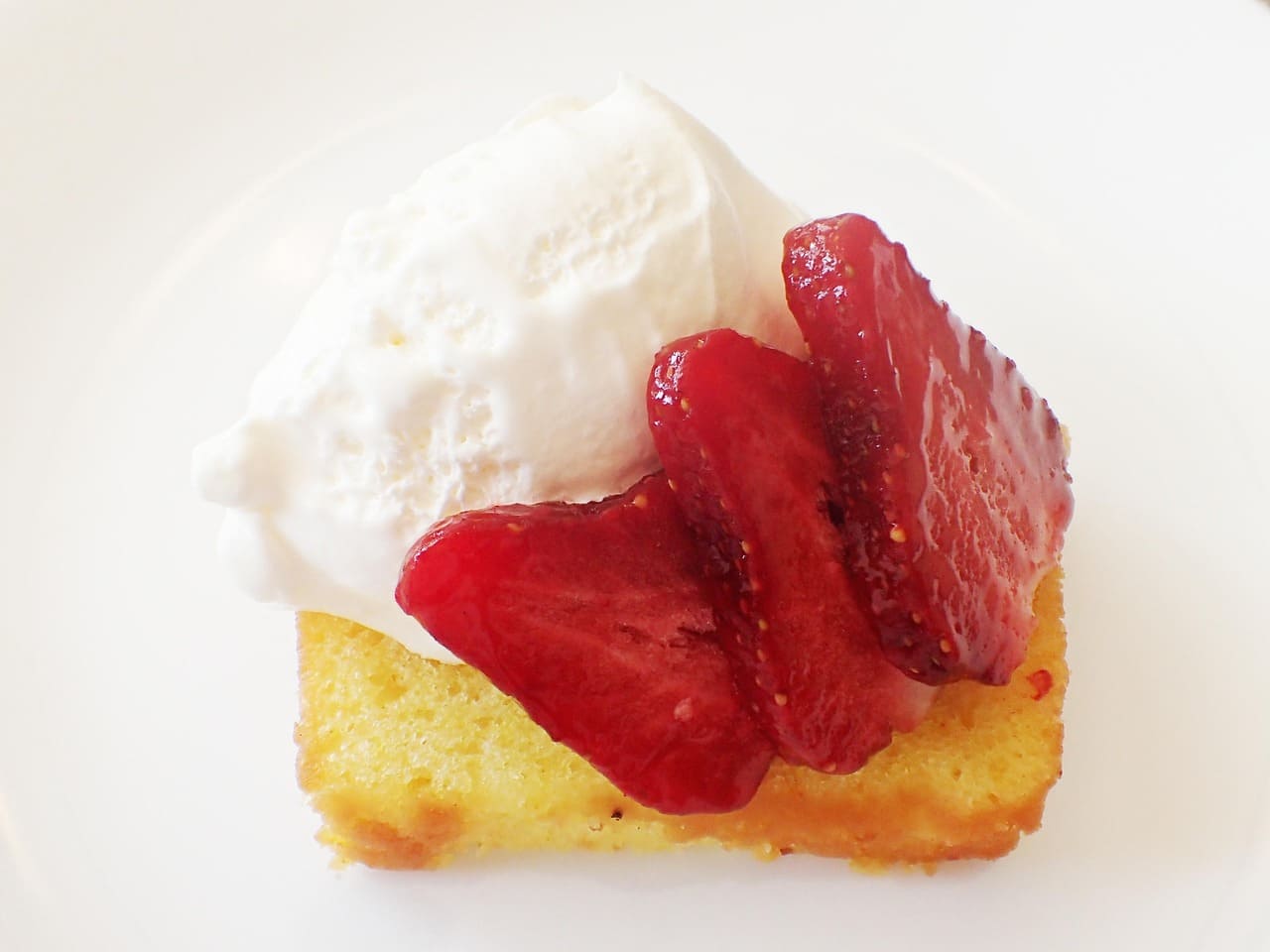
Bright, tender, and impossibly satisfying, a lemon cake topped with fresh strawberries and cloud-like whipped cream is the kind of dessert that feels celebratory without trying too hard. It’s the dessert you bring to barbecues, afternoon teas, birthdays, and lazy Sunday breakfasts — the one that tastes like sunshine and invites a second slice.
This article is a complete, kitchen-tested guide to making Lemon Cake with Strawberries and Cream. You’ll get an easy-to-follow recipe, step-by-step technique notes, metric and imperial conversions, time-saving tips, variations (including vegan and gluten-free options), storage and freezing advice, plating and pairing ideas, a troubleshooting section for every common problem, and an FAQ to answer all those little anxieties bakers have in the middle of the process.
No assumptions here: I’ll explain why every ingredient matters, how to get the zestiest lemon flavor, how to choose and prepare strawberries, and how to make and stabilize whipped cream so your cake looks as good the next day as it does fresh. Let’s bake.
About this recipe
What you’ll end up with
A tender, moist lemon cake — not too heavy, with a gentle crumb — soaked lightly with a lemon syrup for extra flavor. It’s layered and topped with lightly sweetened whipped cream and a generous crown of macerated fresh strawberries. The final cake is bright, juicy, and not over-sweet: lemon leads, cream comforts, and strawberries add texture and perfume.
Who this recipe is for
Home bakers who want a reliable, crowd-pleasing cake with professional touches. The recipe is flexible: simple for beginners, tunable for confident bakers, and adaptable to dietary restrictions with provided variations.
Time commitment
Active prep time: about 45–60 minutes.
Hands-off time (baking + chilling): 1–2 hours.
Total time: ~2–3 hours depending on chilling and decorating choices.
Ingredients (Serves 10–14)
Notes: Imperial volumes are convenient but less precise for baking — metric weights are provided where precision matters. If you prefer cups, both appear below.
Cake
250 g (1 1/4 cups + 2 tbsp) all-purpose flour, spooned and leveled
200 g (1 cup) granulated sugar
115 g (1/2 cup) unsalted butter, softened to room temperature
3 large eggs, room temperature
120 ml (1/2 cup) whole milk, room temperature
60 ml (1/4 cup) plain Greek yogurt or buttermilk (see notes)
2 tbsp lemon zest (from about 2–3 lemons) — finely grated, no pith
60 ml (1/4 cup) fresh lemon juice (about 1–2 lemons)
2 tsp baking powder
1/2 tsp baking soda
1/2 tsp fine sea salt
1 tsp vanilla extract
Lemon syrup (for brushing)
60 ml (1/4 cup) fresh lemon juice
60 g (1/4 cup) granulated sugar
2 tbsp water
Strawberries and cream
500–700 g fresh strawberries, hulled and halved/quartered depending on size
3 tbsp granulated sugar (for macerating strawberries)
500 ml heavy cream (whipping cream), cold
3–6 tbsp powdered sugar (confectioners’ sugar), adjust to taste
1 tsp vanilla extract (optional)
1 tsp lemon zest (optional, for whipped cream)
Optional garnish
Thin lemon slices or candied lemon peel
Fresh mint leaves
Toasted almond slivers or crushed pistachios (for texture)
Powdered sugar dusting
Equipment you’ll need
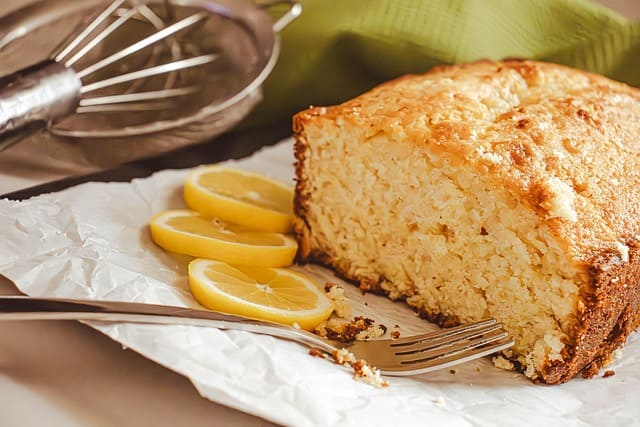
Essential
Two 8-inch (20 cm) round cake pans (or one 9x13 pan for a sheet cake)
Electric mixer (stand or hand) — helpful for creaming and whipping but you can use a whisk and elbow grease
Mixing bowls (small, medium, large)
Measuring cups and spoons and a kitchen scale (strongly recommended)
Zester or microplane
Rubber spatula
Cooling rack
Parchment paper
Helpful extras
Offset spatula for frosting
Serrated knife for leveling cake layers
Pastry brush for syrup
Sifter for powdered sugar
Cake turntable (nice-to-have for decorating)
Step-by-step method
Before you begin (prep & oven)
Preheat your oven to 175°C (350°F).
Grease your cake pans and line the bottoms with parchment rounds for an easy release.
Bring eggs and dairy to room temperature — they emulsify better and give a loftier crumb. Fill a bowl with warm (not hot) water and sit eggs in it for 10–15 minutes if you forgot to plan ahead.
Sift flour, baking powder, baking soda, and salt together to incorporate and remove lumps.
Make the cake batter (creaming method)
1. Cream butter and sugar
In a large bowl, beat the softened butter and granulated sugar on medium-high speed for 3–5 minutes until pale and light — this step traps air and creates structure. Scrape the bowl down once or twice.
2. Add eggs one at a time
Add eggs one at a time, beating after each addition until incorporated. If mixture looks like it’s curdling, add a tablespoon of the flour mixture to bring it back together.
3. Add lemon and vanilla
Mix in lemon zest and vanilla extract until evenly distributed.
4. Alternate dry and wet
With the mixer on low, add one-third of the dry ingredients, then half the milk/yogurt mixture, then another third of the dry, the remaining milk, and finish with the last dry ingredients. Mix just until combined; do not overbeat.
5. Add lemon juice
Fold in the lemon juice gently with a spatula. The acid reacts with baking soda to help the cake rise and gives a bright tang. If batter looks slightly thinner, that’s normal — it will bake into a tender cake.
Bake
Divide batter evenly between prepared pans and tap gently on the counter to release large air bubbles.
Bake 25–30 minutes for 8-inch rounds (check at 22 minutes) or 30–35 minutes for a 9x13 pan, or until a toothpick inserted near the center comes out with a few moist crumbs (not wet batter).
Rotate pans halfway through baking if your oven has hot spots.
Lemon syrup (make while cake bakes)
Combine lemon juice, sugar, and water in a small saucepan. Heat gently, stirring, until sugar dissolves — do not boil. Let cool slightly. This syrup will be brushed on while cake is still warm to infuse extra lemon flavor and moisture.
Cool and soak
When cake layers are out of the oven, let them sit in the pans for 8–10 minutes. Run a knife around the edges to loosen, then invert onto a cooling rack. While still warm, brush each layer with the lemon syrup — start with a light brush and add more if the cake seems dry. Let cool completely before assembling; warm layers can melt the whipped cream.
Macerate the strawberries
Toss hulled strawberries with 3 tbsp granulated sugar and a teaspoon of lemon juice. Let them sit for 20–30 minutes until they release juices. For a sauce-like topping, mash a few berries with the back of a spoon.
Make the whipped cream
Chill your mixing bowl and whisk for at least 10 minutes in the fridge (cold metal helps cream whip).
Pour cold heavy cream into the chilled bowl. Add powdered sugar in 1–2 tbsp increments and vanilla extract if used. Whip on medium-high until soft peaks form. If you prefer stabilized whipped cream (holds shape longer), see the stabilized cream section below.
Assemble the cake
1. Level and layer
If needed, level cakes with a serrated knife or cake leveler. Place first layer on a cake plate or turntable.
2. Fill
Spread a thin layer of whipped cream on the first layer. Spoon or scatter macerated strawberries with some of their juices over the cream.
3. Repeat and crumb coat
Add the second cake layer. Apply a thin “crumb coat” of whipped cream around the cake and chill for 15–20 minutes to set.
4. Final frost and decorate
Apply a final thicker layer of whipped cream with an offset spatula. Pile remaining strawberries on top; for elegance, place whole or halved strawberries in a circular pattern. Garnish with lemon zest, mint, or toasted nuts.
5. Chill then serve
Chill for at least 30 minutes to let flavors meld and cream firm up. Serve chilled or at cool room temperature.
Baking science: Why these ingredients and steps matter
Butter and creaming
Creaming butter and sugar traps air, which expands during baking to create a lighter texture. Properly creamed butter is pale and holds ribbon-like peaks.
Eggs
Eggs are structure and moisture — they bind while contributing to lift. Room temperature eggs incorporate more evenly.
Acid (lemon juice) and baking soda
Lemon juice’s acidity reacts with baking soda to boost rise and add tang. But too much acid can collapse structure, so amounts are balanced.
Yogurt or buttermilk
Adds tenderizing acidity and moisture. If using buttermilk, the acid reacts with baking powder for extra lift.
Lemon syrup
Brushes with syrup keep the cake moist and amplify lemon flavor without adding fat or sweetness that competes with strawberries.
Metric conversions & baking conversion table
(Helpful quick reference; weights are more reliable than volumes.)
Flour
1 cup all-purpose flour = 125 g
Sugar
1 cup granulated sugar = 200 g
Butter
1 stick (US) butter = 113 g = 1/2 cup
Milk
1 cup = 240 ml
Eggs
Large egg ≈ 50 g out of shell
Quick reference for this recipe
Flour: 250 g
Sugar: 200 g
Butter: 115 g
Milk: 120 ml
Yogurt: 60 ml
Variations & dietary adaptations
Sheet cake version
Bake the batter in a greased 9x13-inch pan for 30–35 minutes. Top with whipped cream and strawberries after cooling.
Layer cake (3 layers)
Divide batter into three 6- or 7-inch pans; bake 18–22 minutes each; or bake in two 8-inch pans and split one layer after cooling.
Gluten-free option
Replace 250 g all-purpose flour with a 1:1 gluten-free baking flour blend (ensure it contains xanthan gum). Add 1/4 tsp xanthan if the blend lacks it. Expect a slightly different crumb.
Vegan option
Substitute butter with 115 g vegan butter.
Replace each egg with: 1/4 cup (60 g) unsweetened applesauce + 1 tsp baking powder per egg OR use commercially available egg replacer.
Replace milk with plant milk (soy or oat is best for structure). Use a vegan yogurt for tang.
Note: Vegan cakes may be denser and need trial adjustments.
Lower-sugar option
Reduce cake sugar to 170 g (3/4 cup + 2 tbsp). Use a sugar substitute in the maceration only if desired. Keep in mind texture will change slightly.
Lemon curd layer
For more lemon intensity, spread a thin layer of lemon curd between layers in addition to whipped cream. Use store-bought or homemade curd.
Strawberry compote
Cook half the macerated strawberries with 1–2 tbsp sugar until jammy for a warm compote — cool and layer with the cream for extra depth.
Decadent cream cheese frosting
Swap whipped cream for a stabilized light cream cheese frosting: beat 225 g cream cheese with 60 g powdered sugar and 120 ml whipped heavy cream folded in. This lasts longer at room temp.
Stabilizing whipped cream (so the cake holds up)
If you need the whipped cream to hold shape for parties or warm environments:
Gelatin method
Sprinkle 1 tsp powdered gelatin over 2 tbsp cold water and let bloom for 5 minutes.
Gently warm until dissolved (do not boil), cool slightly, then add to whipping cream as it begins to thicken. Whip to firm peaks. Use about 1–2 tsp gelatin for 500 ml cream.
Instant pudding powder
Add 1–2 tbsp instant vanilla pudding mix to the powdered sugar as you whip. Texture will be slightly denser.
Cream stabilizers
Commercial whipped cream stabilizers can be added per package instructions.
Troubleshooting: common problems and fixes
Cake is dense
Possible causes: overmixing after adding flour, old leavening agents, too much liquid, or cold ingredients.
Fix: Check fresh baking powder and soda (replace if >6 months old). Use room-temperature eggs and butter. Mix only until combined.
Cake sinks in the center
Causes: underbaked center, opening the oven too early, or too much liquid/too much baking powder.
Fix: Bake until toothpick shows a few moist crumbs. Resist opening the oven door until near the minimum bake time.
Top cracks or domes too high
Cause: oven temperature too hot or batter overbeaten.
Fix: Use an oven thermometer to confirm accurate temperature. Reduce temp by 10–15°F if the dome is a recurring issue; the internal structure will set more gently.
Cake is dry
Cause: overbaking or insufficient fat/liquid.
Fix: Check with toothpick earlier. Brush layers with lemon syrup generously. Use yogurt/buttermilk to maintain moistness.
Whipped cream weeps or separates
Cause: overwhipping, warm bowl, old cream.
Fix: Use cold cream, chill bowl, whip to soft/medium peaks and stop; if overwhipped, add a little unwhipped cream and whisk gently to rescue.
Strawberries are watery
Cause: over-maceration or very juicy berries.
Fix: Drain a bit of the strawberry liquid if using as filling, or reserve juices to brush on cake. Gently fold a small amount of cornstarch (1 tsp) into berries to thicken juices if necessary.
Storage, make-ahead, and freezing
Short-term storage
Store cake in fridge, covered, for up to 48 hours. Whipped cream can soften over time; keep chilled until serving.
Make-ahead
You can bake layers up to 2 days ahead, wrap tightly in plastic wrap, and refrigerate. Brush with syrup just before assembly to keep freshest texture. Alternatively, freeze layers for up to 2 months; thaw in fridge overnight.
Freezing assembled cake
Assembled cake with whipped cream is not ideal for freezing (texture of cream changes). If you must, use stabilized cream or cream cheese frosting. Freeze sliced portions wrapped well; thaw in fridge.
Freezing components separately
Freeze cake layers and strawberry compote separately; whip cream fresh before assembly for best results.
Serving suggestions & pairings
Beverage pairings
Earl Grey or Darjeeling tea — the bergamot complements lemon.
Light sparkling wine (Prosecco) — cuts through creaminess.
Iced green tea with mint for a refreshing non-alcoholic pairing.
Coffee lovers: medium roast with fruity notes.
Side ideas
A simple scoop of vanilla bean ice cream.
A drizzle of warm strawberry or lemon coulis.
Toasted nuts on the side for contrast.
Presentation tips
For a bakery look, pipe rosettes of whipped cream around the edge and place strawberries between them.
For rustic charm, pile strawberries high and dust powdered sugar.
Add micro-mint leaves and thin candied lemon slices for elegance.
Nutrition & portioning (approximate per slice, 12 slices)
Note: Calculated estimates; vary based on exact ingredients and quantities used.
Calories: ~330–420 kcal
Fat: ~20–25 g
Carbohydrates: ~35–45 g
Protein: ~4–6 g
If you need exact nutritional analysis for dietary reasons, use a nutrition calculator and input your specific ingredients and brands.
Frequently Asked Questions (FAQ)
Can I use frozen strawberries?
Yes — thaw and drain them well. Frozen berries release more juice, so gently simmer to reduce into a compote if necessary.
Can I make this without a mixer?
Yes — you can cream butter and sugar by hand with a wooden spoon; it’ll take more time and arm power. Whipping cream by hand is laborious; consider using a chilled jar and shaking it vigorously (but this yields butter if you go too far).
Why is my cake bitter from the lemon?
Bitter lemon usually comes from the white pith. Zest only the colored part of the peel. If you use too much lemon juice in the batter, it can also change texture — stick to recipe amounts or balance with a bit more sugar.
How long will macerated strawberries last?
Macerated strawberries are best used within 24–48 hours. They’ll continue to soften and release juice.
Can I use store-bought whipped topping?
Yes — but fresh whipped cream has a superior flavor and texture. Stabilized whipped cream or a cream cheese-based frosting are better if the cake must sit out.
Advanced tips from professional bakers
Zest for maximum flavor
Zest lemons before juicing; zesting is easier when the fruit is still firm. Use a microplane and move across just the colored peel.
Freshness matters
Use the freshest strawberries you can find — medium-ripe berries (not hard, not mushy) are ideal. Taste them: they should be sweet with a hint of acidity.
Layer symmetry
To ensure even layers, weigh batter into pans using a kitchen scale. This guarantees the same thickness and a tidy final cake.
Temperature control
Oven thermometers are inexpensive and reveal the true temperature. Many home ovens run 10–25°F hotter or cooler than the dial.
Flavor layering
Brush each layer lightly with lemon syrup and add a whisper of whipped cream between layers — layering intensifies the eating experience.
Texture contrast
Add toasted nuts or crisp meringue shards on top for crunch against the soft cake and cream.
Printable recipe card
(Copy/paste this section into your recipe app or print it.)
Lemon Cake with Strawberries and Cream — Ingredients
Cake
250 g all-purpose flour
200 g granulated sugar
115 g unsalted butter, softened
3 large eggs
120 ml whole milk
60 ml plain Greek yogurt or buttermilk
2 tbsp lemon zest
60 ml fresh lemon juice
2 tsp baking powder
1/2 tsp baking soda
1/2 tsp salt
1 tsp vanilla
Lemon syrup
60 ml lemon juice
60 g sugar
2 tbsp water
Strawberries & cream
500–700 g strawberries
3 tbsp sugar
500 ml heavy cream
3–6 tbsp powdered sugar
1 tsp vanilla (optional)
Method (short)
Preheat to 175°C (350°F). Prepare two 8-inch pans.
Cream butter and sugar; add eggs one at a time. Mix in zest and vanilla.
Alternate adding dry ingredients and milk/yogurt. Fold in lemon juice.
Bake 25–30 minutes. Brush with lemon syrup while warm. Cool.
Macerate strawberries with sugar. Whip cream to soft/medium peaks.
Layer, fill, and frost. Chill and serve.
Troubleshooting quick-reference (cheat sheet)
Dense cake → check leavening, mix gently, use room-temp ingredients.
Sinking center → don’t open oven early; bake longer at lower temp.
Dry cake → reduce bake time; add syrup.
Weeping cream → chill everything and avoid overwhipping.
Serving occasions and styling ideas
Afternoon tea
Cut thin slices, serve with delicate china, and pair with Earl Grey. Add edible flowers for an elegant table.
Picnic or potluck
Make a sheet cake version, refrigerate, and transport in a covered cake carrier. Keep strawberries and cream separate until serving if possible.
Romantic dinner
Add a drizzle of warm strawberry coulis and rose petals (edible) for a romantic touch. Serve with chilled sparkling rosé.
Birthday or celebration
Make the cake two-tiered (double the recipe) and decorate with piped whipped cream rosettes and fresh berries. Add candle placement and a message plaque.
Final notes and encouragement
Baking a lemon cake with strawberries and cream is about balance: bright lemon, juicy berries, and soft, lightly sweet whipped cream. This dessert thrives on quality ingredients and thoughtful technique rather than fuss. Take your time with the creaming stage, measure carefully, and don’t be afraid to make it your own — add lemon curd, swap a portion of the flour for almond flour for a tender crumb, or make a playful drizzle of dark chocolate for contrast.
If you try the recipe, enjoy the process. Slice generously, share freely, and let the tart-sweet, creamy flavors bring a little sunshine to your table.
Extra resources (what to explore next)
Lemon curd recipes and uses
How to stabilize whipped cream without gelatin (vegan methods)
Classic sponge vs. butter cake techniques explained
Quick strawberry sauces and jams for year-round use