
Making Spaghetti alla Puttanesca
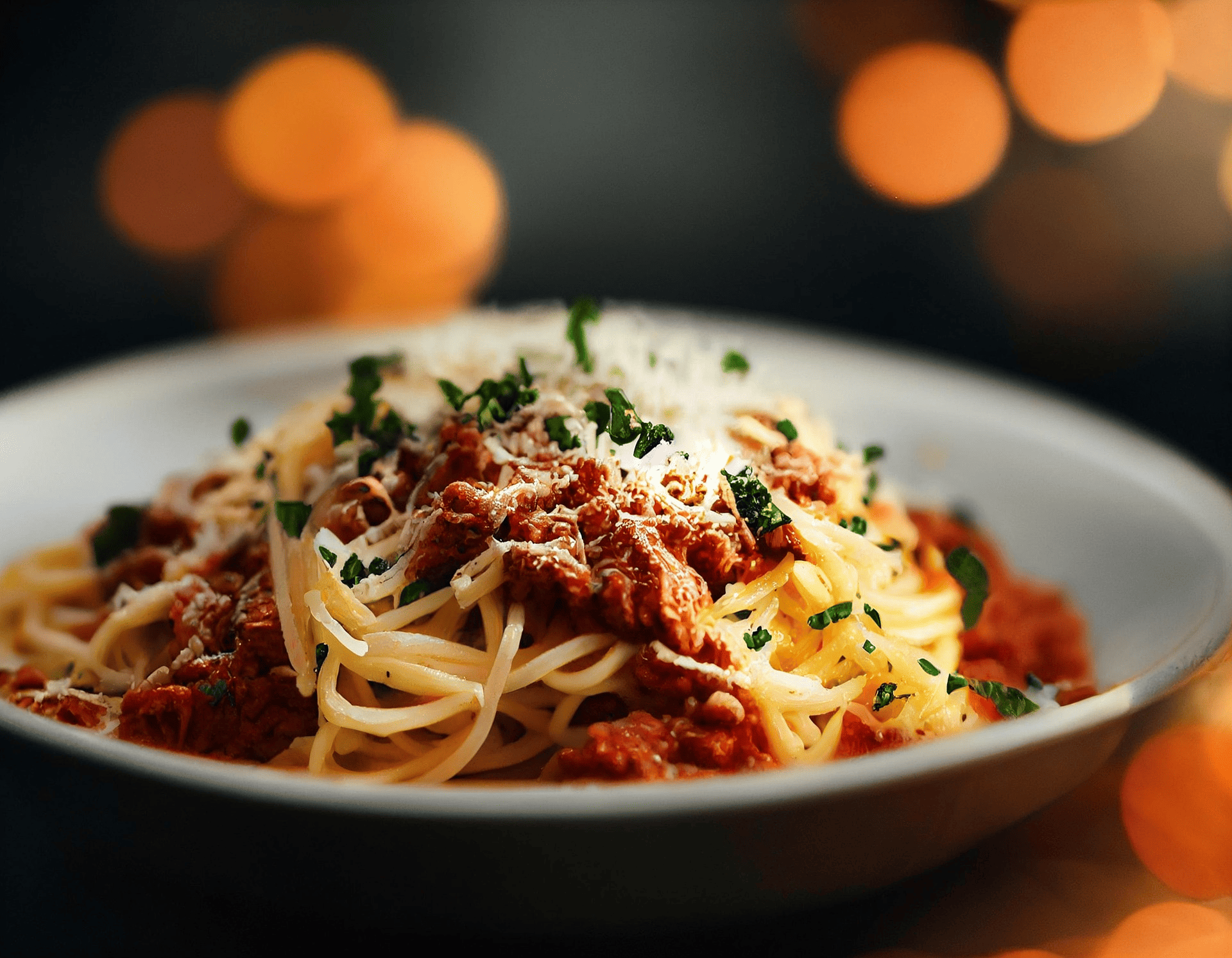
Spaghetti alla Puttanesca is one of the most famous dishes from Southern Italy, loved worldwide for its boldness, richness, and simplicity. With its unmistakable mix of tomatoes, garlic, anchovies, olives, capers, and chili, this pasta sauce is a masterpiece of flavor created from humble ingredients. It’s a dish that embodies everything beautiful about Italian cuisine: tradition, practicality, and the ability to extract immense flavor from basic pantry staples.
This comprehensive guide dives deep into the world of Spaghetti alla Puttanesca.
You’ll learn:
The dish’s curious and often controversial origin
The difference between Neapolitan and Roman versions
Ingredient selection and why each one matters
A step-by-step, professional kitchen–level recipe
Regional and modern variations
Chef techniques to achieve restaurant quality
Side dishes, wine pairings, and plating methods
Storage, reheating, and meal-prep tips
Detailed nutritional information
And answers to all common questions
This is not just a recipe — it is the fullest, most extensive Puttanesca article crafted for food lovers, home cooks, and bloggers seeking expert-level culinary detail.
What Is Spaghetti alla Puttanesca?
Spaghetti alla Puttanesca is a classic Italian pasta dish originating from Southern Italy, typically Naples or the surrounding regions. Known for being ready in about 20 minutes, the dish combines some of the Mediterranean’s most iconic flavors: tangy tomatoes, fragrant garlic, salty anchovies, briny capers, and aromatic olives.
Flavor Profile
The dish is:
Salty from anchovies, olives, and capers
Tangy from tomatoes
Spicy from red chili flakes
Savory with deep umami notes
Bright from herbs and optional lemon
Few pasta dishes can deliver so much character with so little effort. It is a recipe that tastes complex but is shockingly easy to prepare.
The Fascinating History of Puttanesca Sauce
The Name: Puttanesca
The word Puttanesca comes from “puttana,” which in Italian means “prostitute.”
Because of this, the dish has always been surrounded by folklore and colorful stories.
Theory 1: The Brothel Dish
One popular story suggests that sex workers in Naples created this dish because it was:
Quick to prepare between clients
Affordable
Made from non-perishable pantry items
Strong-smelling and appetizing
The aroma of garlic and anchovies cooking in oil could easily attract customers to the building, they say.
Theory 2: The Restaurant in Ischia
Another documented origin comes from the 1950s when restaurant owner Signor Raffaele Esposito in Ischia allegedly created the dish.
Late-night customers asked him:
“Facci una puttanata qualsiasi!”
(“Make us some garbage—anything simple!”)
He used what he had: tomatoes, olives, capers, garlic, and chili.
The dish was a hit, and the name stuck.
Theory 3: The Coastal Pantry Dish
Historically, coastal Southern Italians always kept preserved foods:
Anchovies in oil
Capers packed in salt
Dried pasta
Canned tomatoes
Olives
These ingredients last long without refrigeration, making the sauce a practical everyday meal.
Theory 4: The Sailor’s Dish
Some say sailors invented it because the ingredients withstand long voyages and can be cooked quickly on board.
Why the Dish Became a Global Favorite
1. Ready in Under 20 Minutes
Few pasta dishes offer such dramatic flavor with so little cooking time.
2. Extremely Affordable
All ingredients are cheap and widely available.
3. Explosion of Flavor
Every bite contains:
Sweetness from tomatoes
Brininess from capers
Richness from anchovies
Heat from chili
Herbal freshness
4. Works Year-Round
No seasonal produce is required.
5. Very Hard to Mess Up
Even beginners can create a restaurant-level dish.
Ingredients for Authentic Spaghetti alla Puttanesca
Essential Ingredients (Traditional Recipe)
400g (14 oz) spaghetti
3–4 tablespoons extra virgin olive oil
4–6 anchovy fillets in oil
3–4 garlic cloves, finely chopped
1–2 teaspoons red chili flakes
1 cup black olives (Gaeta or Kalamata)
2 tablespoons capers
400–500g crushed tomatoes or peeled San Marzano tomatoes
Fresh parsley, chopped
Salt and black pepper
Optional (But Amazing) Additions
A splash of dry white wine
Lemon zest
Fresh basil
Cherry tomatoes
A small pinch of sugar (to balance acidity)
Ingredient Guide: Choosing the Best Ingredients
Pasta: Why Spaghetti Is Essential
While penne or linguine can technically work, spaghetti holds the sauce best and is the traditional choice.
Use bronze-cut pasta for superior sauce adhesion.
Anchovies: The Secret Weapon
Anchovies dissolve into the oil, forming a rich, salty base.
They do not make the dish taste fishy — they simply enhance umami.
Olives: Which Type Is Best?
The ideal olives for Puttanesca are:
Gaeta (original, small, wrinkled, and flavorful)
Kalamata (excellent alternative)
Avoid canned sliced olives; they lack character.
Capers: Salt-Packed vs. Brine
Salt-packed capers deliver:
Stronger flavor
Better texture
More authenticity
Brine-packed capers are milder but acceptable.
Tomatoes: A Matter of Quality
San Marzano tomatoes are the gold standard.
They are naturally sweet and balanced, requiring no added sugar.
How to Make Spaghetti alla Puttanesca: Step-by-Step Master Recipe
Below is the traditional version prepared exactly as in Neapolitan kitchens.
Step 1: Prepare the Pasta
Bring a large pot of heavily salted water to a boil (it should taste like the sea).
Cook spaghetti until al dente.
Reserve 1 cup of pasta water, then drain.
Step 2: Create the Flavor Base
Heat olive oil over medium heat.
Add anchovy fillets and stir until they dissolve — this is the foundation of the sauce.
Add garlic and chili flakes.
Cook until fragrant, being careful not to brown the garlic.
Step 3: Add the Briny Elements
Add olives and capers.
Sauté for 1–2 minutes to release their aroma.
Step 4: Add Tomatoes
Pour in crushed tomatoes or break whole peeled tomatoes by hand.
Stir well and let simmer for 10–12 minutes.
If the sauce becomes too thick, add a splash of pasta water.
Step 5: Combine with Pasta
Add the cooked spaghetti to the skillet.
Toss thoroughly so the sauce coats every strand.
Add reserved pasta water as needed to achieve a glossy finish.
Step 6: Final Touches
Add chopped parsley.
Taste and adjust seasoning (usually only pepper — salt is rarely needed).
Serve hot.
Chef Techniques for a Perfect Puttanesca
1. Dissolve Anchovies Properly
They must melt completely into the oil — this is the essence of the sauce.
2. Never Burn Garlic
Burnt garlic can ruin the entire dish.
3. Don’t Overcook the Sauce
Puttanesca is meant to be bright and lively, not heavy or stewed.
4. Don’t Add Cheese
Italians NEVER add Parmesan to this dish because cheese dulls the briny flavor.
5. Use Pasta Water to Adjust
This is the secret to a glossy, silky sauce.
Neapolitan vs. Roman Puttanesca
Neapolitan (Original)
Always includes anchovies
More olives
Often spicier
Rustic and bold
Roman Version
Often omits anchovies
Includes onions
Slightly sweeter
Modern Variations
Vegetarian Puttanesca
Replace anchovies with:
Miso paste
More capers
Seaweed flakes
Putanesca with Tuna
Adds canned tuna for a protein boost.
Cherry Tomato Puttanesca
Fresh, sweet, and lighter.
Puttanesca Bianca (White Version)
No tomatoes — anchovy, oil, garlic, olives, and capers only.
Spicy Calabrian Puttanesca
Uses Calabrian chili paste for powerful heat.
Serving Suggestions
Best Side Dishes
Garlic bread
Green salad with lemon vinaigrette
Roasted vegetables
Grilled or marinated artichokes
Best Wine Pairings
Red Wines
Chianti
Nero d’Avola
Montepulciano d’Abruzzo
White Wines
Pinot Grigio
Vermentino
Sauvignon Blanc
The acidity of Italian wines balances the bold salty flavors of the dish.
Plating and Presentation Tips
Restaurant-Quality Plating
Twist spaghetti into a “nest” using tongs.
Add sauce on top, not underneath.
Garnish with a few olives and whole capers.
Finish with a drizzle of high-quality olive oil and chopped parsley.
For Social Media
Add:
Lemon zest curls
A few whole olives
A basil leaf for contrast
Nutritional Information (Per Serving)
Approximate values:
Calories: 530–620
Protein: 14–18g
Carbohydrates: 70–75g
Fat: 20–26g
Fiber: 6–8g
Sodium: High, due to anchovies and capers
Rich in:
Omega-3 fatty acids
Lycopene
Antioxidants
Vitamin C
Polyphenols
How to Store and Reheat Puttanesca
Storing the Sauce
In the fridge: up to 4 days
In the freezer: up to 3 months
The sauce freezes beautifully — the pasta does not.
Reheating
Reheat gently in a skillet. Add:
A splash of water
A small drizzle of olive oil
Avoid microwaving pasta; it becomes rubbery.
Common Mistakes to Avoid
❌ Adding too much salt
Anchovies, olives, and capers already contribute plenty.
❌ Burning garlic
The bitterness will overpower all other flavors.
❌ Using cheap olives
Canned olives will ruin an otherwise perfect dish.
❌ Overcooking the sauce
Puttanesca should be quick and fresh, not heavy.
❌ Adding cheese
This is not one of those dishes — the briny flavor must shine.
Frequently Asked Questions
Is Puttanesca spicy?
Traditionally, it has a mild kick. You can adjust with more or less chili.
Can I use green olives?
Possible, but black olives like Gaeta or Kalamata are recommended.
Can I make it vegan?
Yes — substitute anchovies with:
Miso
Seaweed
Vegan fish sauce
Can children eat Puttanesca?
Yes, just reduce or omit chili.
Is Puttanesca good for meal prep?
The sauce is excellent for meal prep, but cook pasta fresh.
Spaghetti alla Puttanesca is a legendary Italian dish known for bold flavor, quick preparation, and deep cultural history. With ingredients that almost every kitchen already has, it delivers an extraordinary taste experience that feels gourmet yet is incredibly easy to execute. Whether you prepare the classic Neapolitan version or one of the many modern variations, Puttanesca is the ultimate example of how Italian cuisine transforms simple ingredients into unforgettable meals.