
Making The Best Baked Salmon
Introduction: Why Baked Salmon Is a Worldwide Favorite
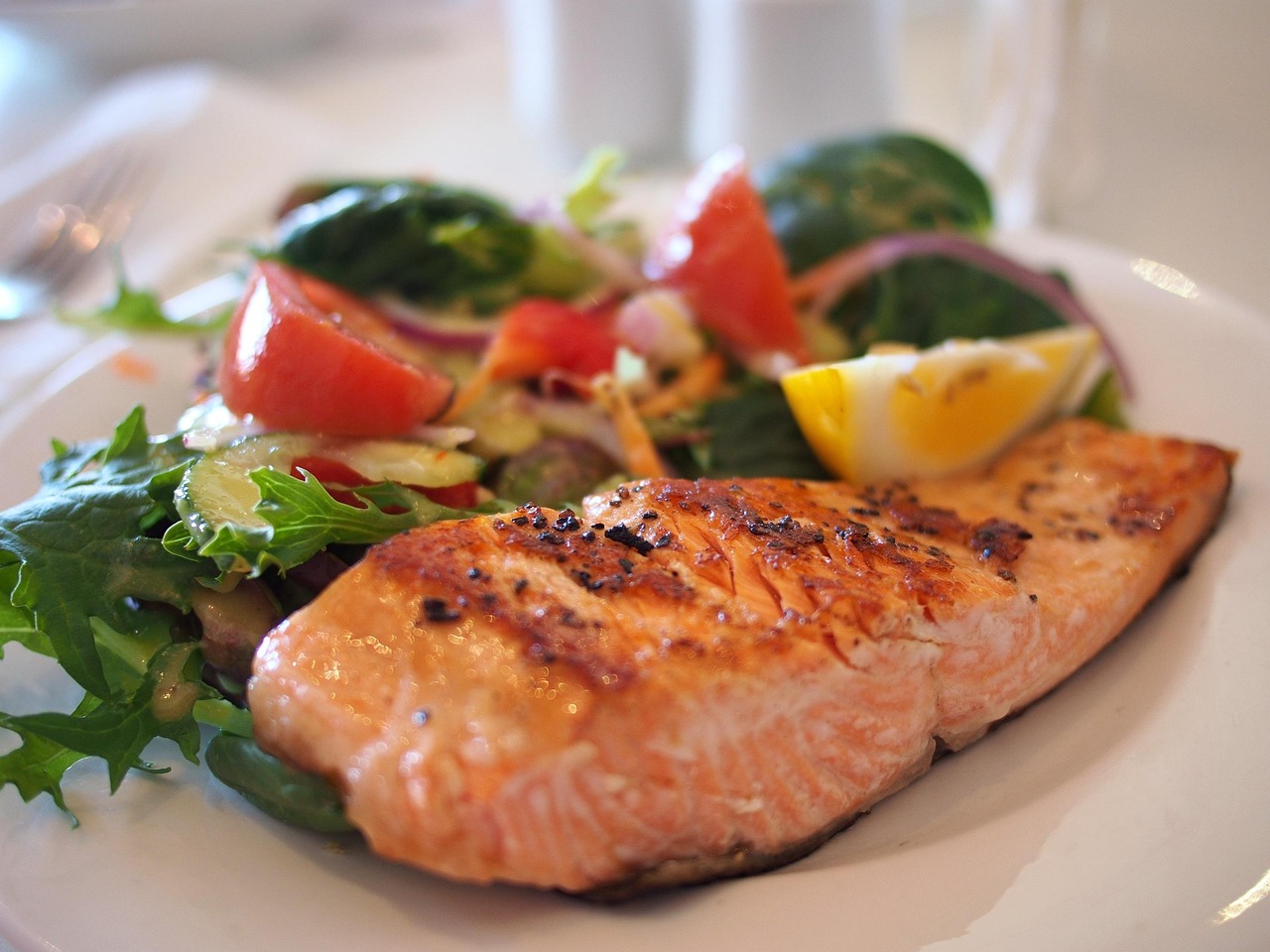
Baked salmon has long been celebrated across cultures and cuisines. It’s a dish that appeals to everyone—from seasoned chefs looking for refined flavors to home cooks wanting a nutritious, fast, and reliable meal. The reason for its popularity is simple: salmon naturally contains a higher fat content than many other fish, which helps it stay moist, flavorful, and forgiving even when slightly overcooked.
Another reason baked salmon is so universally loved is its adaptability. It can taste bright and citrusy, rich and buttery, spicy and bold, or sweet and tangy—all depending on the seasonings, marinades, and side dishes chosen. You can serve it with vegetables, grains, salads, soups, or even tuck it into tacos, sandwiches, or bowls. One dish, endless possibilities.
From a health perspective, salmon is considered one of the most nutrient-dense foods on earth. It provides essential omega-3 fatty acids, high-quality protein, vitamins, minerals, and antioxidants. Numerous studies link salmon consumption with improved cardiovascular health, decreased inflammation, sharper brain function, and overall longevity. It’s rare to find a food that tastes indulgent yet supports health on so many levels.
Finally, baked salmon fits busy lifestyles perfectly. It cooks quickly, requires minimal cleanup, and offers a restaurant-level meal with only a handful of simple ingredients. You can prepare it in foil, parchment, glass dishes, sheet pans, cast-iron skillets, or even meal-prep containers. It’s a dish that adapts to you.
Chapter 1: Choosing the Right Salmon
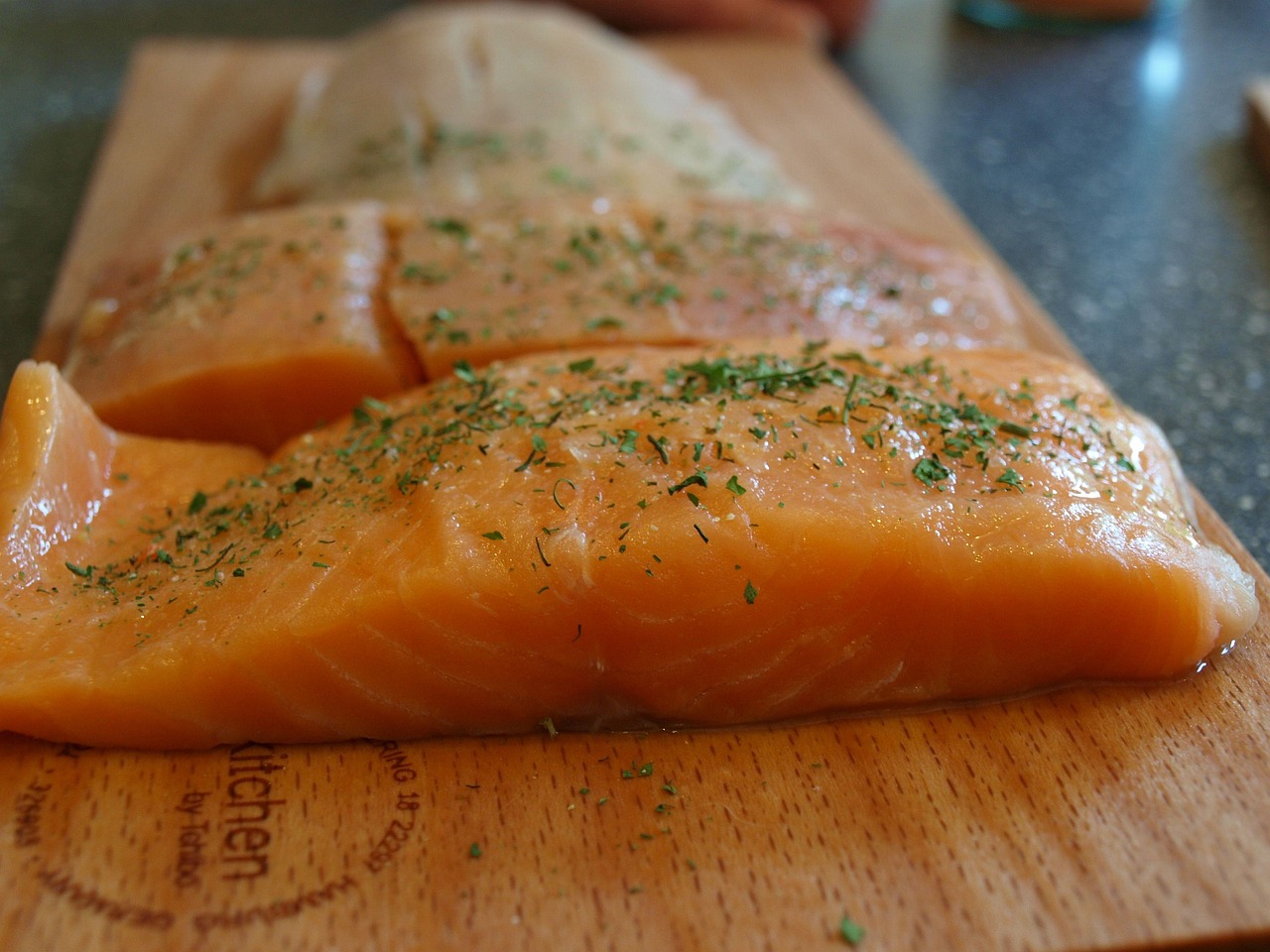
Not all salmon is the same. The flavor, fat content, texture, and cooking result vary depending on the type, cut, and quality of the fish. Understanding your options makes it easier to choose the perfect fillet for your recipe and your taste preferences.
1.1 Wild vs. Farmed Salmon
One of the most common questions is whether wild or farmed salmon is better. Both have advantages.
Wild Salmon
Wild salmon lives and feeds naturally in the ocean, resulting in:
A firmer, more muscular texture
Lower overall fat
A deeper, richer flavor
Beautiful natural color variations depending on the species
Higher mineral content
Wild salmon tends to taste more intense and sometimes slightly drier due to lower fat, but it’s prized for its natural purity and deep flavor.
Farmed Salmon
Farmed salmon has grown extremely popular for baking because:
Its fat content is higher, creating a buttery texture
It’s very difficult to overcook
The flavor is mild, making it family-friendly
It’s available year-round
It’s typically more affordable
Because of its higher fat content, farmed salmon is often the top choice for beginners who want a guaranteed moist, tender result.
Which is Better for Baking?
If you prefer rich, buttery, juicy fillets → choose farmed.
If you prefer leaner, bolder flavor → choose wild.
Neither option is wrong. It depends on your taste and cooking style.
1.2 Types of Salmon to Consider
There are several species of salmon available globally. Each one brings something unique to the table.
King Salmon (Chinook)
The richest, fattiest, and most luxurious type. It melts in your mouth and is extremely forgiving during baking.
Sockeye Salmon
Deep red flesh with a robust, bold flavor. It’s slightly firmer and leaner than king salmon.
Coho Salmon
Mild taste and medium firmness. It offers a balance between sockeye and Atlantic salmon.
Atlantic Salmon
Almost always farmed, mild, moist, and widely available. Ideal for beginners or bulk cooking.
Pink and Chum Salmon
More affordable, lighter flavors, often used for canned or processed salmon but still delicious when fresh.
For the easiest, most reliable baking results: Atlantic or King Salmon.
1.3 Skin On vs. Skin Off
Whether to keep the skin on is a matter of personal preference, but for baking, keeping the skin has advantages:
It protects the delicate flesh
It adds moisture
It prevents sticking
It becomes crisp if baked openly
If you don’t like eating the skin, remove it after baking—it slides off effortlessly.
Chapter 2: How to Prepare Salmon for Baking
Proper preparation ensures even cooking and maximum flavor. These steps may seem simple, but they make a tremendous difference.
2.1 Removing Pin Bones
Pin bones are tiny, needle-like bones found along the center of the fillet. They’re easy to remove:
Run your fingers along the middle of the fish.
When you feel a bone, grip it firmly with tweezers.
Pull it out gently in the direction it grows.
Removing them improves the eating experience and makes serving easier.
2.2 Patting the Salmon Dry
This step affects both texture and flavor. Water on the surface causes steaming instead of roasting.
Pat the fish dry using paper towels to:
Help seasonings stick
Allow better browning
Prevent soggy texture
This one step instantly improves any salmon dish.
2.3 Seasoning Basics
Salmon is naturally rich and flavorful. It doesn’t need complex seasonings to taste incredible.
A simple mix of:
Olive oil
Salt
Pepper
Lemon
creates a classic, fresh flavor profile.
But if you enjoy bolder combinations, salmon pairs beautifully with:
Garlic and herbs
Spices
Citrus
Butter
Honey or maple
Mustard
Chili
Soy sauce
In later sections, we’ll explore multiple seasoning combinations and marinades.
Chapter 3: Oven Techniques for Perfectly Baked Salmon
Even the best salmon can become dry or tough if baked incorrectly. These oven techniques ensure perfect results every time.
3.1 The Ideal Baking Temperature
The best temperatures for baking salmon are:
375°F (190°C) — gentle, slow cooking
400°F (205°C) — the perfect balance (recommended)
425°F (218°C) — fast, slightly caramelized edges
Most chefs prefer 400°F (205°C) because it keeps the salmon moist while giving it light crispiness.
3.2 How Long to Bake Salmon
The general rule is:
10–12 minutes per inch of thickness
Typical times at 400°F:
Thin fillets → 10–12 minutes
Thick center cuts → 14–15 minutes
Whole salmon side → 18–20 minutes
Remember: salmon continues cooking after being removed from the oven.
It’s better to slightly underbake than overbake.
3.3 Internal Temperature Guide
For best results:
125°F (52°C) → medium-rare, buttery
130–135°F (54–57°C) → perfect medium
145°F (63°C) → well done (USDA recommendation)
If you want professional precision, use a meat thermometer.
3.4 Foil Method vs. Open Baking
Both methods work beautifully in different situations.
Foil Packet Method
Seals in moisture
Prevents drying
Great for beginners
Produces extremely tender results
Allows easy cleanup
Open Baking
Firmer texture
Slightly crispier edges
Ideal for seasoning crusts
More traditional roasted look
If you want soft, moist salmon → use foil.
If you want lightly crisp, golden edges → bake uncovered.
Chapter 4: The Best Baked Salmon Recipe (Classic Lemon Herb)
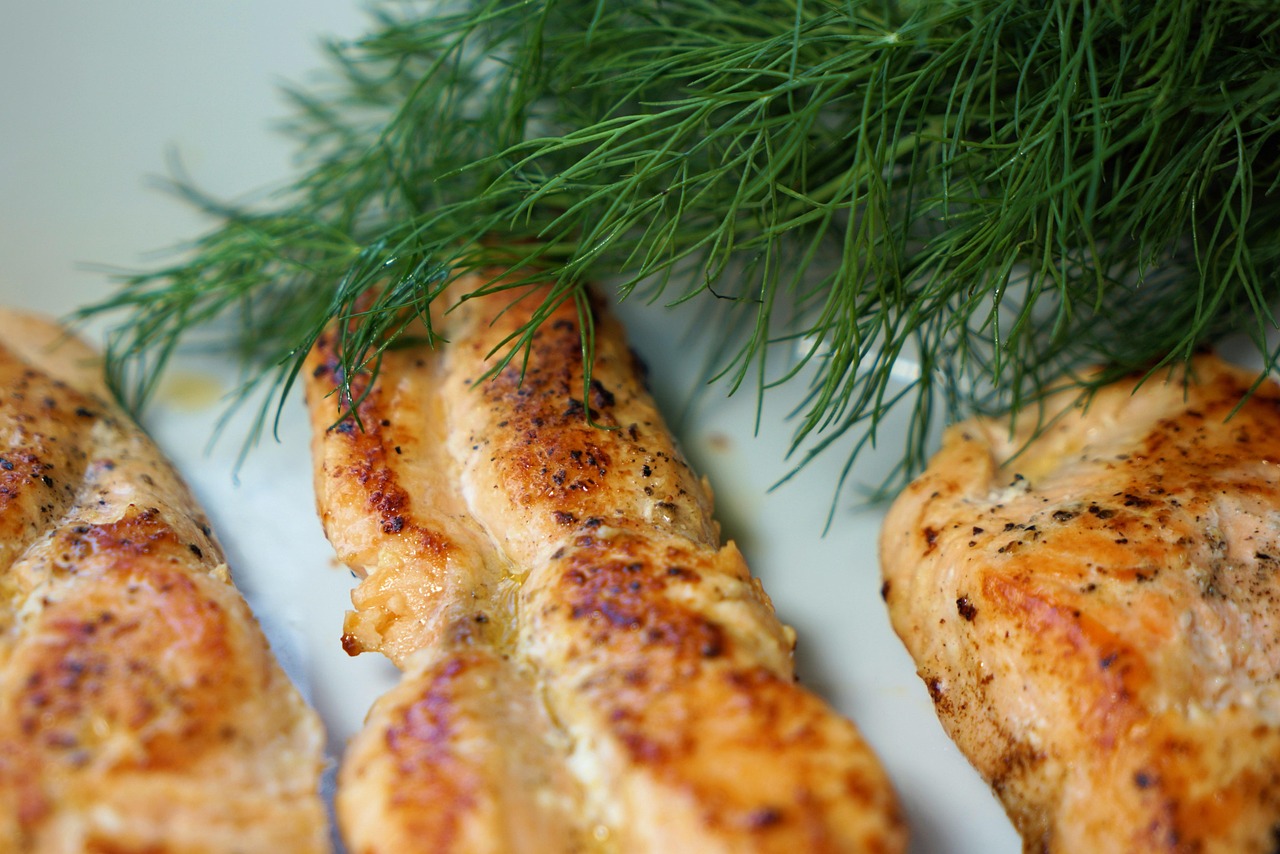
This is the core recipe—the one you will come back to again and again. It’s simple, delicious, and foolproof.
4.1 Ingredients
1 to 1.5 pounds fresh salmon
2 tablespoons olive oil
2–3 garlic cloves, minced
1 teaspoon salt
½ teaspoon black pepper
1 lemon, sliced
1 tablespoon fresh parsley or dill
Optional: 1 tablespoon butter for rich flavor
4.2 Instructions
Preheat oven to 400°F (205°C).
Line a sheet pan with foil or parchment.
Pat salmon completely dry.
Rub olive oil over the salmon.
Sprinkle salt, pepper, and garlic.
Lay lemon slices on top.
Bake for 12–14 minutes, depending on thickness.
Rest for 3 minutes before serving.
Garnish with herbs and extra lemon.
This creates beautifully juicy salmon with bright lemon-garlic flavor and a soft, buttery texture.
Chapter 5: Advanced Flavor Variations
The magic of salmon lies in its flexibility. Once you master the basics, experiment with these mouthwatering versions.
5.1 Honey Garlic Salmon
Honey
Soy sauce
Garlic
Lemon
Pepper
Produces a glossy, sweet-savory glaze.
5.2 Cajun Spiced Salmon
Cajun seasoning
Paprika
Garlic powder
Lemon
Olive oil
Smoky, spicy, bold.
5.3 Herb Butter Salmon
Soft butter
Garlic
Parsley
Chives
Lemon zest
Creates a luxurious, restaurant-quality finish.
5.4 Maple Mustard Salmon
Maple syrup
Dijon mustard
Salt
Black pepper
Sweet, tangy, and perfect for autumn dinners.
5.5 Soy Ginger Salmon
Soy sauce
Fresh ginger
Sesame oil
Brown sugar
Lime
A bright Asian-inspired flavor profile.
Chapter 6: Side Dishes That Pair Perfectly with Baked Salmon
The right side dish can elevate salmon to a complete, balanced, and unforgettable meal.
6.1 Vegetables
Roasted asparagus
Steamed green beans
Garlic broccoli
Honey carrots
Cauliflower mash
6.2 Grains
Rice pilaf
Quinoa
Couscous
Lemon garlic rice
Farro salads
6.3 Salads
Greek salad
Arugula citrus salad
Avocado cucumber salad
Kale Caesar
6.4 Potatoes
Garlic mashed potatoes
Roasted baby potatoes
Herb potato wedges
Each one complements salmon differently, so choose based on your flavor theme.
Chapter 7: Common Mistakes and How to Avoid Them
Even experienced cooks sometimes make these mistakes—but you don’t have to.
7.1 Overcooking
Most common problem. Remove salmon once it reaches 130–135°F.
7.2 Not Drying the Fish
Leads to mushy or steamed texture.
7.3 Using Too Much Acid
Lemon is great—but too much before baking can toughen the flesh.
7.4 Using Thin, Uneven Fillets
Try to get pieces of similar thickness for even cooking.
Chapter 8: Expert-Level Chef Secrets
These little tricks elevate your salmon from excellent to extraordinary.
8.1 Let Salmon Reach Room Temperature
Leave it out for 10–15 minutes before baking to ensure even cooking.
8.2 Use High-Quality Salt
Sea salt or kosher salt enhances flavor dramatically.
8.3 Add Butter at the End
A small pat of butter melts over the hot salmon, creating a silky finish.
8.4 Broil for 1 Minute
Gives caramelization without overcooking.
Chapter 9: Storage, Reheating, and Meal Prep
9.1 Storage
Refrigerate up to 3 days
Freeze up to 2 months
9.2 Reheating Tips
Reheat at 300°F for 10 minutes to preserve moisture.
9.3 Meal Prep Ideas
Salmon bowls
Salmon salads
Salmon wraps
Salmon pasta
Salmon breakfast scramble
Conclusion: Your Guide to Truly Perfect Baked Salmon
Baked salmon is more than a simple dish—it’s a versatile, nutritious, flavorful centerpiece that fits seamlessly into any lifestyle, cuisine, or level of cooking experience. With the right salmon selection, smart preparation, proper oven technique, and a bit of creativity, you can elevate this classic dish into something unforgettable.