
Onion Tart — Delicious Dive
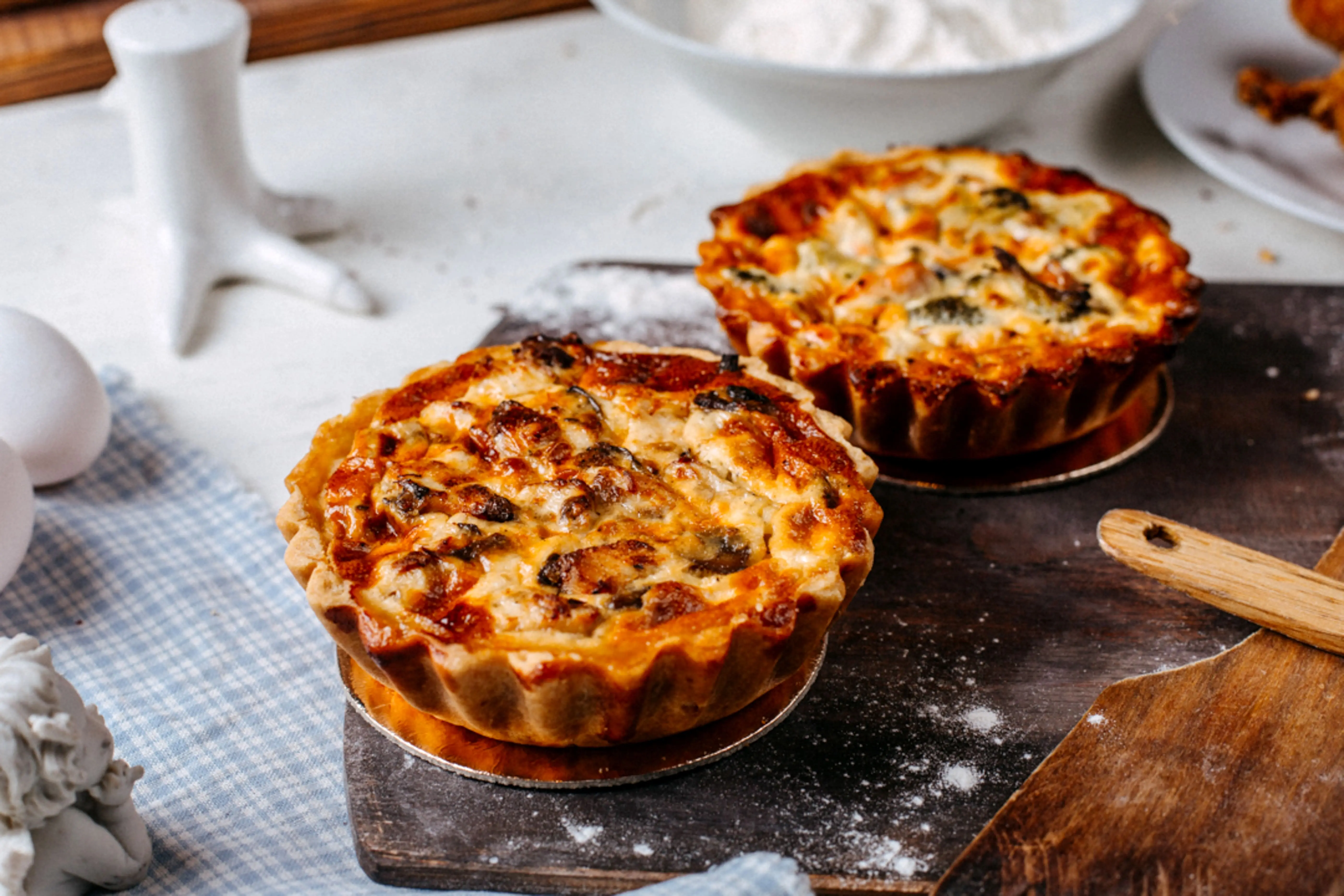
Onion Tart — A Deep, Delicious Dive (long-form guide + recipes)
Comfort, caramelized sweetness, a buttery crust and the kind of savory aroma that pulls everyone into the kitchen. Welcome to the onion tart: humble vegetable, gilded into something elegant and endlessly adaptable.
Below you'll find an in-depth, kitchen-tested style guide to onion tarts: background, technique (especially caramelizing onions), multiple full recipes (classic French-style tart, quick puff-pastry tart, vegetarian/vegan and gluten-free versions), detailed troubleshooting, make-ahead and freezing strategies, pairing suggestions, nutrition notes, scaling instructions, and a long FAQ. Read straight through or jump to a recipe — headings (h2, h3, h4) will guide you.
Table of contents
Main sections
What is an onion tart?
Why onions work (and which ones to use)
The most important skill: caramelizing onions (step-by-step)
The crusts: shortcrust, puff pastry, and crustless options
Full recipes
Classic Caramelized Onion & Gruyère Tart (shortcrust)
Quick Puff-Pastry Onion Tart with Balsamic & Goat Cheese
Rustic Onion, Leek & Thyme Galette (free-form)
Vegan Caramelized Onion Tart with Chickpea-Cashew Filling (gluten-free option included)
Crustless Onion Quiche-style Tart (lighter, low-carb)
Technique deep dives and chef tips
Troubleshooting: common problems and fixes
Make-ahead, storage, and freezing
Pairings: wine, beer, sides, and dessert ideas
Nutrition snapshot & dietary swaps
Scaling & timing for feeding a crowd
FAQ (long)
Final thoughts
What is an onion tart?
An onion tart is a savory pie-like dish built around a bed of onions that have usually been softened and caramelized to emphasize their natural sweetness. It can be as rustic as a free-form galette or as refined as a shallow French-style tart filled with a custard mixed with cheese. Textures vary — flaky pastry, crumbly shortcrust, or no crust at all — and flavors range from pure simple caramelized onion to complex builds with cheeses, herbs, vinegar reductions, mushrooms, or cured meats.
Onion tarts sit at the sweet spot between comfort food and elegant bistro fare. They’re perfect for brunch, a light supper with salad, appetizer platters, or even a picnic if served at room temperature.
Why onions work (and which ones to use)
Why onions are perfect for tarts
Natural sweetness: When slowly cooked, onions release sugars and develop caramelized, almost jam-like complexity that forms the flavor base.
Structure: Cooked properly, onions hold together rather than becoming mush — creating bite and body in each slice.
Versatility: They pair beautifully with dairy (cheese, cream), acidic balancing agents (balsamic, lemon), herbs, and bold spices.
Affordability & availability: Onions are everywhere and cheap, making the tart accessible.
Best onion choices
Yellow onions: The classic choice — balanced sweetness and firmness. Great for long caramelization.
Sweet onions (Vidalia, Walla Walla, Maui): Higher sugar content means faster browning and a pronounced sweet profile; delightful if you want a sweeter finish.
Red onions: Offer color and a sharper edge; they mellow when cooked and give a beautiful mahogany hue.
White onions: A bit sharper raw, but mellow and mild when cooked; fine for tarts with delicate profiles.
Shallots: Use as an accent or mixed in for elegance — very aromatic and sweet when cooked.
Tip: For maximum flavor complexity, mix two types, e.g., yellow + a few shallots or a scattering of red onions for color.
The most important skill: caramelizing onions (step-by-step)
If you remember one thing from this article, it’s this: caramelize slowly, with patience. Fast heat gives you browned but not caramelized onions — often bitter or burnt. Slow, steady heat breaks down cell walls, releases sugars, and creates deep mahogany color and jammy texture.
Equipment
Wide, heavy-bottomed skillet (cast iron or stainless steel) — wide > deep.
Wooden spoon or heatproof silicone spatula.
Good chef’s knife and cutting board.
Ingredients (for ~1.2–1.5 kg onions)
1.2–1.5 kg onions (about 6–8 medium)
2–3 tbsp unsalted butter OR 2–3 tbsp neutral oil (or a mix)
1 tsp fine sea salt
1–2 tsp sugar (optional; helps accelerate browning but not necessary)
1–2 tbsp water, stock, or vinegar (to deglaze as needed)
Optional: splash of balsamic vinegar or wine at the end for brightness
Method
1) Slice evenly
Peel and slice onions into even, thin half-moons (about 3–5 mm thick). Uniformity = even cooking.
2) Heat & fat
Melt butter with oil in the skillet over medium-low heat. Using a mix of butter + oil raises smoke point and deepens flavor.
3) Add onions & salt
Add onions, toss to coat with fat. Add salt — it helps draw moisture out. Spread into an even layer.
4) Low and slow
Reduce heat to low–medium-low. Stir every 3–7 minutes at first, more frequently as color develops. Keep lid off (or tilted) for evaporation. Total time: 30–60+ minutes depending on quantity and heat. Resist the urge to crank the heat.
5) Deglaze
When fond (brown bits) builds or onions threaten to stick, add 1–2 tbsp water/stock/vinegar and scrape brown bits loose. This builds flavor and prevents burning.
6) Finish
When onions are deep golden to mahogany, sweet, and jammy — remove from heat. Optionally add a splash of balsamic or sherry for acidity and complexity. Taste and adjust salt.
Troubleshooting caramelizing
Burning or black bits: Heat too high. Remove pan briefly from heat, add liquid, reduce heat.
Soggy, watery: Heat too low or pan overcrowded. Cook in batches; ensure moisture can evaporate.
Pale and under-caramelized after 15 minutes: Keep going — some onion batches need 45–60 minutes.
The crusts: shortcrust, puff pastry, and crustless options
Shortcrust pastry (buttery, tender)
A classic tart crust: holds custard and onions well, offers a crumbly, melt-in-mouth contrast.
Basic shortcrust (for 9–10-inch tart)
250 g all-purpose flour
170 g cold unsalted butter, cubed
1 tsp salt
2–4 tbsp ice water
1 egg yolk (optional, for enrichment)
Method: Rub or pulse butter into flour until coarse crumbs; add water to bind; chill 30+ minutes; blind bake 10–12 minutes when needed.
Puff pastry (quick, flaky)
Use store-bought or homemade. For a rustic tart, roll puff thin, top with onions and cheese, and bake without blind-baking. Puff yields quick, flaky crust; watch for sogginess with wet fillings.
Savory galette (free-form)
No pan needed — roll dough into a circle, heap onions and topping in center, fold edges up, brush egg wash, bake. Rustic and forgiving.
Crustless / quiche-style
Use an egg-cream mixture poured over onions in a greased tart pan and bake. Lower carbs and simpler prep; excellent for gluten-free diners.
Gluten-free crusts
Store-bought GF pastry: works as a direct swap.
Almond flour crust: almond flour + butter + egg; press into pan; prebake briefly.
Chickpea flour crust: mix chickpea flour + water/olive oil to make a batter, pour and blind-bake — gets firmer when baked.
Full recipes
Each recipe contains ingredient lists, step-by-step method, timing estimates, and variations. Times assume properly caramelized onions (see earlier section).
Classic Caramelized Onion & Gruyère Tart (shortcrust)
A bistro favorite — sweet onions, nutty Gruyère, tender shortcrust.
Ingredients (9–10 inch tart, serves 6–8)
For the crust
250 g (2 cups) all-purpose flour
170 g (12 tbsp) cold unsalted butter, cubed
1 tsp fine salt
1 egg yolk (optional)
2–4 tbsp ice water
For the filling
1.2 kg yellow onions, thinly sliced (about 6–8)
2 tbsp butter + 1 tbsp olive oil
1 tsp salt, pinch sugar (optional)
2 large eggs
200 ml (¾ cup + 1 tbsp) crème fraîche OR heavy cream + a dollop of sour cream
150 g grated Gruyère (or Comté/Emmental)
1 tsp fresh thyme leaves (or ½ tsp dried)
Freshly ground black pepper
Optional: 1 tbsp balsamic vinegar (added at end to onions)
Method
Make the crust: Rub butter into flour with salt until coarse crumbs. Add egg yolk and enough ice water to bring dough together. Form disk, wrap, chill 30–60 min. Roll out to fit a 9–10 inch tart pan with removable bottom. Chill 15 more minutes.
Blind-bake: Preheat oven to 190°C (375°F). Line crust with parchment, fill with pie weights or dried beans, bake 12 minutes. Remove weights, bake 5 more minutes until lightly golden. Reduce oven to 180°C (350°F).
Caramelize onions: While crust chills, caramelize onions until deep golden (45–60 minutes). Finish with a splash of balsamic if using.
Assemble filling: Whisk eggs with crème fraîche, add most of the grated Gruyère (reserve some for top), thyme, salt & pepper. Fold in caramelized onions.
Bake: Spread filling into blind-baked crust. Top with remaining cheese. Bake 28–35 minutes until set and lightly browned. Let cool 10–15 minutes before slicing.
Tips & variations
Add a handful of caramelized mushrooms or thinly sliced prosciutto.
Substitute feta + parsley for a tangy Mediterranean twist.
For a lighter tart, use half crème fraîche, half milk.
Quick Puff-Pastry Onion Tart with Balsamic & Goat Cheese
Ready in under an hour (excluding onion cooking time). Great for casual entertaining.
Ingredients (1 sheet puff pastry, serves 4–6)
1 sheet puff pastry (store-bought, thawed)
600–800 g caramelized onions (about half of full batch)
150–180 g soft goat cheese (chevre), crumbled
1–2 tbsp balsamic reduction or glaze
Fresh thyme or rosemary
1 egg, beaten (for egg wash)
Method
Preheat oven to 200°C (400°F). Line a baking sheet with parchment.
Roll puff pastry to slightly larger rectangle; place on sheet.
Score a 1-inch border around edge with a sharp knife (don’t cut through). Dock center lightly with fork.
Spread onions in center, leaving border. Crumble goat cheese over onions. Brush border with beaten egg.
Bake 20–25 minutes until pastry is golden and puffed. Drizzle with balsamic reduction and scatter herbs before serving.
Variation
Add walnuts or toasted pine nuts for crunch.
Mix goat cheese with herbs and lemon zest before dotting.
Rustic Onion, Leek & Thyme Galette (free-form)
A forgiving, country-style tart — no tart pan required.
Ingredients (1 large galette, serves 6)
300 g all-purpose flour
150 g cold butter, cubed
1 tsp salt
4–6 tbsp ice water
700 g caramelized onions + 200 g sautéed leeks (or mix)
2 eggs + 2 tbsp cream for brushing
100 g grated Gruyère or pecorino
Fresh thyme leaves
Method
Make dough by cutting butter into flour until pea-sized crumbs. Add water to bring together. Chill 30 minutes.
Roll into ~12–14 inch circle. Pile onions & leeks in center, leaving ~2-inch edge. Sprinkle cheese and thyme.
Fold edges up, pleating as needed. Brush crust with egg + cream mix.
Bake at 200°C (400°F) for 30–35 minutes until golden and cooked through.
Vegan Caramelized Onion Tart with Chickpea-Cashew Filling (gluten-free option)
A plant-based take that still delivers creaminess.
Ingredients (9-inch tart, serves 6)
For the crust (GF almond crust)
240 g almond flour
2 tbsp tapioca or arrowroot starch
3 tbsp olive oil
1 egg replacer (flax egg) or 1–2 tbsp water to bind
Pinch of salt
For the filling
900 g caramelized onions (use oil instead of butter)
1 cup raw cashews, soaked 2–4 hours and drained
1 cup cooked chickpeas (or 1 can, drained & rinsed)
1/3 cup non-dairy milk (unsweetened)
2 tbsp nutritional yeast (optional)
2 tbsp lemon juice
1 tsp garlic powder
Salt & pepper to taste
Fresh thyme or rosemary
Method
Crust: Mix almond flour + starch + olive oil + salt + binder until it holds when pressed. Press into tart pan (9-inch). Chill 20 minutes and blind bake at 180°C for 10–12 minutes until set.
Filling: Blend cashews + chickpeas + milk + nutritional yeast + lemon + garlic powder into a smooth, pourable puree. Stir into caramelized onions (reserve a little onion for topping).
Assemble: Pour filling into prebaked crust. Top with reserved onions.
Bake: 180°C (350°F) for 25–30 minutes until set at center. Cool before slicing.
Notes
For gluten-free but non-almond option, use a premade GF crust or oat-crust (oats + butter or coconut oil pressed and baked).
For oil-free, replace olive oil with a small amount of vegetable stock for sautéing and in crust use mashed chickpeas + oat flour crust.
Crustless Onion Quiche-style Tart (lighter & low-carb)
Great if you’re short on time or avoiding gluten.
Ingredients (9-inch pie dish, serves 6–8)
900 g caramelized onions
4 large eggs + 200 ml milk or cream (or 200 ml milk + 2 tbsp cornstarch for sturdier set)
100 g grated cheese (optional)
1 tsp mustard (Dijon)
Salt & pepper
Fresh thyme
Method
Preheat to 180°C (350°F). Grease dish.
Spread onions in dish. Whisk eggs, milk, mustard, salt, pepper; pour over onions. Sprinkle cheese if using.
Bake 30–40 minutes until set and lightly browned. Let rest 10 minutes before serving.
Technique deep dives and chef tips
Slicing for texture
Thin (~3 mm): melts into silky ribbons, ideal when combined with custard.
Medium (~4–6 mm): keeps some bite; good for rustic tarts.
Thick (>6 mm): offers chew and caramelization contrast; needs longer cooking.
Fat choices
Butter: best flavor; browns beautifully.
Olive oil: higher smoke point, very Mediterranean.
Duck or bacon fat: for deep savory notes (not vegetarian).
Combination: butter + oil is often ideal.
Sweetness control
Add a little sugar only if onions seem flat; otherwise salt + slow cooking is enough.
A small splash of balsamic or sherry near the end amplifies sweetness without added sugar.
Cheese pairing suggestions
Gruyère / Comté / Emmental: classic, nutty and melty.
Goat cheese: tangy dollops — contrasts sweetness.
Feta / Pecorino: crumbly, salty accents.
Blue cheese: bold, use sparingly with sweet onions.
Herbs & aromatics
Thyme: classic with caramelized onion.
Rosemary: one sprig finely chopped works well.
Sage: great with browned butter.
Garlic: add late to avoid burning; roasted garlic is sublime.
Acid & brightness
Use balsamic, sherry, white wine, or lemon zest to balance sweetness and add depth.
Troubleshooting: common problems and fixes
My onions browned but taste bitter
Likely burned. Reduce heat and deglaze to rescue. Use a fresh batch if char is pervasive.
Filling too runny after baking
Underbaked or too much liquid in filling. Bake longer; next time reduce cream or pre-cook onions until drier.
Soggy bottom crust
Blind-bake crust longer; brush with a thin layer of beaten egg (creates seal) before adding filling; use a slotted spoon to remove excess onion juices.
Edge crust rising too much in puff pastry tart
Dock the border (poke with fork) and brush with egg wash; weigh down with a small ring pan while baking.
Tart not slicing cleanly
Let cool fully — at least 20–30 minutes. Refrain from slicing immediately; residual heat keeps the filling soft.
Make-ahead, storage, and freezing
Make-ahead
Caramelized onions keep 4–5 days refrigerated. Make a big batch and use across multiple recipes.
Shortcrust can be blind-baked and kept in airtight container for 2 days (re-crisp in oven).
Assemble tart and refrigerate up to 24 hours before baking (bring to room temperature 30 min before baking).
Storage
Refrigerate leftover baked tart in airtight container 3–4 days. Reheat in oven at 180°C (350°F) for 8–12 minutes to re-crisp crust.
For puff pastry tarts, reheating in oven is best; microwave makes pastry soggy.
Freezing
Unbaked tart: wrap tightly and freeze up to 3 months; bake from frozen but add 10–15 min.
Baked tart: freeze fully baked slices on a tray, then transfer to freezer bags up to 2 months. Reheat in oven from frozen.
Pairings: wine, beer, sides, and dessert ideas
Wine
White: unoaked Chardonnay, dry Riesling, or Pinot Gris — acidity balances richness.
Red: light-bodied Pinot Noir or Beaujolais (Gamay) — low tannins, fruity notes.
Sparkling: Brut or Cremant — acidity and bubbles cut through creaminess.
Beer
Saison or farmhouse ales: herbal notes complement thyme/rosemary.
Amber ales: malt backbone mirrors caramelized onions.
Belgian tripels: for a stronger and sweeter contrast.
Sides
Peppery arugula salad with lemon vinaigrette
Simple mixed greens with vinaigrette
Roasted root vegetables for heartier meals
Desserts to follow
Lemon tart or a light fruit sorbet to cleanse the palate
A simple pear galette echoes the caramel notes
Nutrition snapshot & dietary swaps
(Estimates vary widely by recipe and portion size — the following are general guidelines for a classic tart slice ~1/6 of tart.)
Calories: 350–550 per slice depending on crust and cheese
Protein: 8–14 g
Carbs: 20–35 g
Fat: 20–35 g
Health-forward swaps
Use crustless quiche to lower carbs.
Substitute light crème fraîche with Greek yogurt + small amount of cornstarch for stability.
Replace butter with olive oil to reduce saturated fat.
Use whole wheat or spelt flour for more fiber in crust.
Scaling & timing for feeding a crowd
Scaling rules
One 9–10 inch tart serves 6–8.
For 12 guests, make two 9-inch tarts or one 12–14 inch tart plus a side salad.
Multiply caramelized onions by 1.5 for each additional tart; plan extra cooking time if done in one pan — better to caramelize in two pans.
Timeline (for two tarts)
Day before: caramelize onions; make crusts and refrigerate (or freeze).
Event day: blind-bake crusts 40–60 minutes before service, assemble, then bake. Reheat tarts 20 minutes before serving if baked earlier.
FAQ (long)
Can I shortcut the caramelization step?
You can speed it slightly by adding a pinch of sugar and raising heat, but the flavor depth will be shallower. For the best results, plan time for proper caramelization.
Why do my onions release so much water?
Overcrowding or too-low heat prevents evaporation. Cook in batches, or use a wider pan and higher initial heat to drive off moisture, then lower heat to finish browning.
Can I use frozen puff pastry?
Yes. Thaw properly according to package directions before baking.
How do I make the tart less greasy?
Drain excess fat from onions using a slotted spoon before adding to filling. Also reduce butter in crust slightly and use a lightly greased pan.
Can I make mini tarts?
Absolutely — use tartlet pans or muffin tins. Adjust baking time: 18–25 minutes for tartlets at 180°C depending on filling.
Is this suitable for meal prep?
Yes. Make caramelized onions in bulk; assemble tarts frozen and bake as needed. Keeps well in fridge for 3–4 days.
How to get a shiny golden crust?
Brush with an egg wash (1 egg beaten + 1 tbsp water). For vegan crust, use non-dairy milk + syrup for shine.
Which cheese melts best?
Gruyère and Comté melt beautifully and add nutty depth. For a creamier spread, mix in a softer cheese like mascarpone or ricotta.