
Overnight French Toast Bake
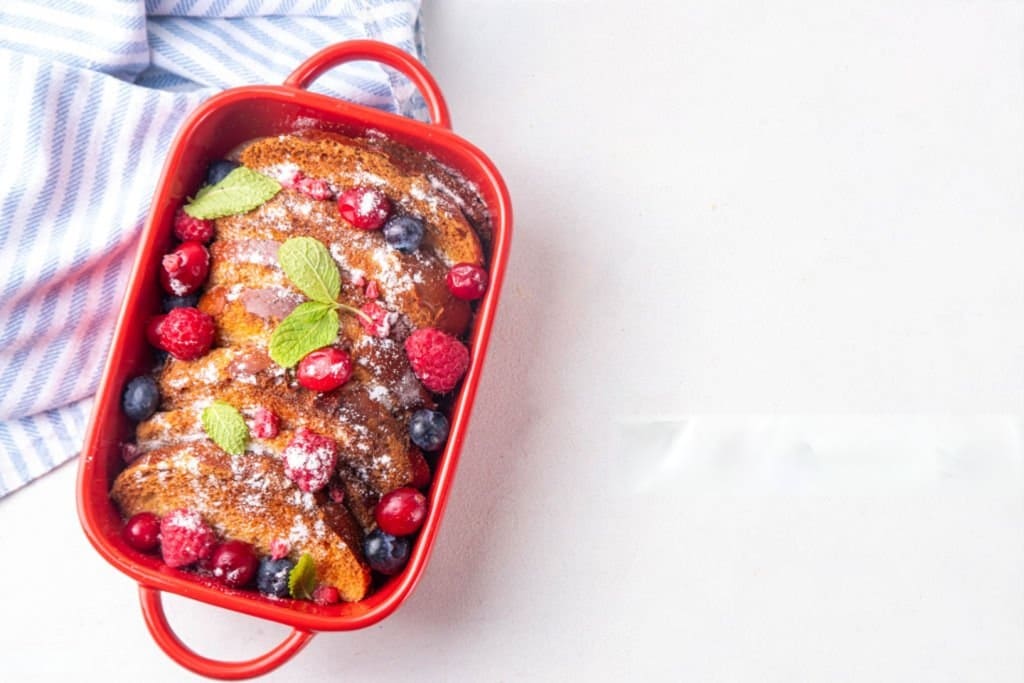
If there’s a breakfast that combines the comfort of custard-soaked bread, the simplicity of a casserole, and the festive joy of a holiday morning, it’s the Overnight French Toast Bake. This make-ahead wonder takes ordinary breakfast ingredients and turns them into a dish that’s indulgent, forgiving, and perfect for feeding a crowd—or for treating yourself all week long. Below you’ll find everything: an approachable core recipe for 8–10 servings, step-by-step instructions, multiple variations (sweet, savory, vegan, and gluten-free), sauces and compotes to pair with it, troubleshooting tips, storage and reheating guidance, make-ahead timelines, scaling instructions, nutrition notes, and FAQs. Whether you’re planning a holiday brunch, meal-prepping breakfasts, or simply craving warm, custardy bread, this guide has you covered.
Why an overnight bake?
Classic French toast is made at the skillet, slice by slice. An overnight French toast bake solves several common problems:
It frees you from last-minute cooking: the heavy lifting (soaking) is done the night before.
It lets the custard thoroughly penetrate the bread for a tender, custardy interior.
It’s scalable: one pan easily feeds many.
It’s flexible: swap breads, milks, spices, or toppings to match seasons and diets.
It’s forgiving: small timing or ratio variances rarely ruin the dish.
The core idea (in plain terms)
Tear or slice sturdy bread into chunks or cubes, arrange them in a buttered baking dish, pour a sweetened egg-and-milk custard over the bread so it soaks in, refrigerate overnight so the bread absorbs the custard, then bake until set and slightly browned on top. Finish with a glaze, fruit, compote, or a dusting of powdered sugar and serve warm.
Classic Overnight French Toast Bake — Ingredients (8–10 servings)
Bread
1 1/2–2 pounds sturdy bread (roughly one large loaf). Good options:
Brioche (richest)
Challah (slightly less rich than brioche)
Country white or Italian loaf
Sourdough (adds tang)
Day-old or slightly stale bread works best because it absorbs custard without collapsing.
Custard
8 large eggs
3 cups whole milk (or mix 2 cups milk + 1 cup heavy cream for extra richness)
1/2 to 3/4 cup granulated sugar (adjust to taste; 2/3 cup is a good middle ground)
2 teaspoons pure vanilla extract
1/2 teaspoon ground cinnamon (optional but classic)
1/4 teaspoon ground nutmeg (optional)
Pinch of salt
Enrichment & texture
4 tablespoons unsalted butter, melted (plus additional for greasing the dish)
Optional extras mixed into custard or sprinkled between layers:
1 cup raisins, dried cranberries, or chopped dried apricots (rehydrate in warm water or liquor if desired)
1 cup chopped toasted nuts (pecans or walnuts)
1–2 cups fresh berries or sliced bananas added just before baking (they’ll soften but stay juicy)
Topping (optional but recommended)
1/2 cup brown sugar + 3 tablespoons cold butter, cut into small pieces (for a brittle, caramelized top)
OR streusel: 1/2 cup flour, 1/3 cup brown sugar, 1/4 cup cold butter, 1/2 tsp cinnamon (cut together into crumbs)
OR a sprinkle of coarse sugar (turbinado) for crunch
Equipment
9x13-inch (or similar volume) baking dish
Whisk and large mixing bowl (or large measuring cup)
Spatula
Aluminum foil or plastic wrap (for refrigeration)
Optional: cast-iron skillet for finishing top, roasting pan for water bath if you prefer gentler heat
Step-by-step method (overnight, classic approach)
1. Prepare the bread
Cut or tear bread into 1–1.5 inch cubes. Tearing gives more irregular edges that soak up custard nicely.
If bread is very fresh and soft, you can dry it slightly in a 250°F (120°C) oven for 10–12 minutes—don’t brown it, just dry it so it absorbs better.
2. Butter the pan and assemble
Generously butter your baking dish. Spread a light layer of melted butter around the bottom and sides.
Place half of the bread cubes into the dish, add any dried fruit or nuts in a thin layer, then top with the remaining bread.
3. Make custard
In a large bowl, whisk eggs until blended. Add sugar, milk (and cream if using), vanilla, cinnamon, nutmeg, and a pinch of salt. Whisk until sugar mostly dissolves and custard looks smooth.
Stir in melted butter.
Pour custard evenly over the bread, pressing gently to submerge cubes and encourage absorption. Let sit 5–10 minutes at room temperature, then press again to make sure custard fills spaces.
4. Cover and refrigerate overnight
Cover dish tightly with plastic wrap or foil and refrigerate at least 6–8 hours, ideally 8–12 hours. This period is when magic happens—the custard penetrates and softens the bread for a deeply custardy interior.
5. Preheat and prepare toppings
The next morning (or when ready to bake), preheat oven to 350°F (175°C).
If you’re using streusel or a sugar-butter topping, mix it together now. For streusel, blend flour, brown sugar, and butter into coarse crumbs.
6. Bake
Remove plastic wrap. Sprinkle your topping evenly over the soaked bread.
Bake uncovered 45–55 minutes, or until the center is set (a knife inserted near center comes out mostly clean) and top is golden. If top is browning too rapidly, tent loosely with foil for the last 10–15 minutes.
For a creamier, barely-set custard, bake 40–45 minutes. For fully set with firmer texture, bake 50–60 minutes.
7. Rest and serve
Let rest 10–15 minutes (this helps custard set further and makes slicing neater).
Serve warm with syrup, compote, or a dusting of powdered sugar.
Pro tips for a perfect bake
Bread selection matters
Rich breads (brioche, challah) yield the most decadent dish. Sturdier breads (country, sourdough) give structure and textural contrast. Avoid very light sandwich bread unless combined with richer custard and longer soak.
Custard ratio (simple rule)
For a well-balanced custard: use about 1 egg per 1/2 cup of liquid (milk/cream combined). In above recipe: 8 eggs to 3 cups milk + 1 cup cream ≈ 8 eggs to 4 cups liquid is classic. If using only milk, keep the ratio close and accept slightly lighter custard.
Sugar — how sweet?
1/2 cup sugar gives a mildly sweet bake suitable for topping with syrup. 3/4 cup will be noticeably sweeter. If you plan to top with sweet sauces, use less sugar in custard and rely on toppings for sweetness.
Don’t over-soak (unless you want pudding)
Overnight is ideal, but 6 hours is often enough. Over-soaked bread can become soggy and collapse during baking. The goal is thorough absorption, not total disintegration.
Bake in the middle rack
Middle rack provides even heat. If you want a crispier top, you can finish with a few minutes of broil—watch closely.
Add texture
Scatter chopped toasted pecans or streusel on top for crunch. Fresh fruit added before baking will yield soft, jammy fruit; add delicate fruits post-bake if you want a fresher profile.
For a caramelized top
Use brown sugar and butter as a topping, or scatter a tablespoon of sugar on top and torch or broil briefly.
Variations
Classic cinnamon-vanilla (base)
Use the recipe above. Optional: add 1 teaspoon ground cardamom for aromatic warmth.
Berry-Lemon Overnight Bake
Add 2 cups mixed berries (blueberries, raspberries, blackberries)—stir gently into bread before pouring custard.
Zest of 1 lemon into custard.
Top with lemon curd drizzle or simple powdered sugar.
Apple Cinnamon Crisp French Toast Bake
Sauté 3 cups diced apples with 2 tablespoons butter, 1/4 cup brown sugar, and 1 tsp cinnamon until slightly tender. Layer into pan with bread. Add streusel on top and bake. Finish with warm caramel sauce.
Chocolate Chip Decadence
Fold 1.5 cups chocolate chips into the bread before custard. For grown-up twist, steep custard with 2 tablespoons cocoa powder or add 1–2 tablespoons bourbon.
Savory Herb & Cheese (French toast soufflé-ish)
Skip sugar. Use 8 eggs + 3 cups milk, add 1 teaspoon salt, 1/2 teaspoon black pepper, 1 teaspoon dried thyme or rosemary, 1 cup grated Gruyère, and 1/2 cup sautéed mushrooms or caramelized onions. Use crusty bread. Serve with a green salad for brunch.
Vegan Overnight French Toast Bake
Bread: Use sturdy vegan loaf (day-old).
Custard: Blend 3 1/2 cups full-fat coconut milk + 1 cup silken tofu or 1 cup aquafaba + 1 cup plant-based milk + 3/4 cup sugar + 2 tbsp ground flaxseed (mixed into custard) + 2 tsp vanilla + 1 tsp cinnamon. Use cornstarch slurry (2 tbsp cornstarch + 2 tbsp water) if you want thicker custard. Proceed same as classic. Texture will be slightly different but deeply satisfying.
Gluten-free
Use a sturdy gluten-free loaf (brioche-style gf loaf or gf challah). Because gf breads can be fragile, consider cutting slightly larger cubes and reducing soak time to avoid collapse.
Boozy brunch (adult)
Add 1/4–1/2 cup rum, bourbon, or Irish cream to the custard (reduce some of the milk). Macerate dried fruits in booze overnight for an added adult dimension.
Sauces, Glazes, and Compotes
Classic Maple Butter Sauce
1/2 cup pure maple syrup
4 tablespoons unsalted butter
1 tablespoon brown sugar
Optional splash of vanilla
Melt butter and sugar, stir in maple until smooth. Spoon over warm slices.
Bourbon Caramel Sauce
1 cup granulated sugar
6 tablespoons unsalted butter
1/2 cup heavy cream
2 tbsp bourbon (optional)
Cook sugar in heavy saucepan over medium heat until amber. Add butter carefully (mixture will bubble), then slowly whisk in cream. Stir off heat, add bourbon. Cool slightly.
Fresh Berry Compote
2 cups mixed berries (fresh or frozen)
1/4 cup sugar (adjust)
1 tbsp lemon juice
1 tsp vanilla
Cook berries with sugar until they release juices and thicken slightly (5–8 minutes). Finish with lemon and vanilla.
Vanilla Glaze
1 cup powdered sugar
1–2 tbsp milk
1/2 tsp vanilla
Whisk to drizzle consistency.
Mascarpone Honey Drizzle
1/2 cup mascarpone + 2 tbsp honey + splash milk whisked to pourable consistency.
Make-ahead & hosting timeline
Night-before plan (for holiday brunch)
Afternoon/evening: Cut bread, assemble in pan, mix custard, pour, cover, refrigerate.
Morning of: Remove from fridge while oven preheats (rest 15–30 min at room temp if you want even baking). Add topping, bake.
10–15 minutes before serving: Prepare sauces (maple butter heats in minutes; compote can be reheated quick). Bake time 45–55 minutes.
If pan is assembled longer than 12 hours
Check texture: some breads will begin to break down. If you must assemble earlier, choose sturdier bread and slightly reduce liquid.
Double-batch logistics
Use two pans; stagger bake times if oven space is limited. Keep second pan refrigerated until first is out and resting, then bake.
Serving suggestions (pairings)
Fresh fruit (berries, sliced stone fruit)
Crispy bacon, sausage, or a smoked salmon platter for savory contrast
Yogurt and granola for a lighter counterpoint
Hot coffee, cappuccino, or a bright citrus mimosa
For a sweet brunch: whipped cream or crème fraîche, toasted nuts, and a dusting of powdered sugar
Storage, freezing, and reheating
Storing leftovers
Refrigerate covered for up to 4 days. Custard will firm as it cools.
Reheating
Oven: Reheat individual slices at 325°F (160°C) for 10–15 minutes until warmed through. This restores texture nicely.
Microwave: Quick and convenient—microwave 30–60 seconds per serving, but interior may be softer and top won’t crisp.
To crisp up: Reheat in a toasting oven or cast-iron skillet with a bit of butter for 3–5 minutes.
Freezing
Bake completely, cool, cut into portions, wrap in plastic and foil or freeze in airtight containers up to 3 months.
Reheat from frozen in a 325°F (160°C) oven for 25–40 minutes depending on thickness; cover loosely with foil if top browns too fast.
Troubleshooting
My bake is soggy in the center and too wet
Causes: too much custard or too soft bread / not baked long enough.
Fix next time: Slightly reduce liquid (or use some cream to create a richer custard that sets firmer), use thicker-cut cubes, increase bake time, or bake at slightly higher temp for the final 10–15 min (watch carefully).
Top burned but center undercooked
Oven hot spot or too-high rack. Tent with foil and finish baking longer. For uniform browning, use middle rack and rotate pan halfway if your oven has uneven heat.
Bread fell apart after soaking
Likely bread was too fresh or custard was too much relative to bread. Use sturdier bread or reduce soaking time.
Custard tastes eggy
Whisk eggs well; add vanilla and sugar to balance. Using some cream softens eggy flavors. Also temper eggs with warm milk if slightly worried about texture.
Nutrition notes (approximate)
Nutrition will vary by ingredients and portioning. A conservative estimate per serving (1/8 of pan) using whole milk and butter:
Calories: 450–700 (depending on bread and toppings)
Protein: 10–15 g
Fat: 20–35 g
Carbs: 45–80 g
To lighten: use lower-fat milk, reduce sugar, skip buttery streusel, and top with fresh fruit instead of syrup.
Scaling and portioning
This recipe fits a 9x13 pan for 8–10 standard servings. For larger crowds:
Use a deep 11x15 (or two 9x13) pans and increase ingredients proportionally by 1.5–2x.
Baking time will increase slightly for larger/deeper pans—add 10–20 minutes and use knife test.
Frequently Asked Questions
Can I use sliced bread instead of cubes?
Yes—slice bread about 1 inch thick and layer slightly overlapped. Cubes absorb more evenly; slices yield a layered look.
Can I make this dairy-free?
Yes. Use full-fat coconut milk or oat milk + a little coconut cream for richness. Note coconut flavor can be present.
Do I have to refrigerate overnight?
You can assemble and bake after 15–30 minutes for a quicker version, but custard won’t penetrate as evenly; texture will be closer to classic skillet French toast.
How can I get a crunchy top?
Use streusel, brown sugar-butter topping, or broil briefly. Toasted nuts help too.
Is this suitable for kids?
Absolutely. Reduce spices if children dislike nutmeg; leave optional spirits out.
A few advanced chef tricks (for food-nerd joy)
Infuse milk with aromatics
Heat milk with a split vanilla bean, citrus peel, or a cinnamon stick, then cool slightly and strain before adding to eggs. This deepens flavor.
Dry-toast bread for structure
If you prefer an even custard without collapse, bake cubed bread at 250°F (120°C) for 8–12 minutes to remove a bit of moisture—this gives ideal spongeiness.
Temper eggs for silkier custard
Warm the milk slightly and slowly whisk it into the beaten eggs so they don’t scramble and the final custard has a silkier texture.
Use a water bath (bain-marie)
For extra-silky, uniform custard (think more like a bread pudding), place casserole pan inside a larger roasting pan, add hot water half-way up the outer pan, and bake. This slows baking and reduces edges overcooking.
Finish with torching
After baking and topping with a sugar layer, use a kitchen torch to caramelize quickly—gives a brûlée-like finish.
Menu ideas for a brunch featuring Overnight French Toast Bake
Cozy family brunch
Overnight French Toast Bake with maple butter
Crisp bacon and turkey sausage
Fresh fruit salad (citrus-spritzed)
Coffee and orange juice
Elegant holiday spread
Berry-Lemon French Toast Bake with lemon curd drizzle
Herb-roasted breakfast potatoes
Smoked salmon and dill cream cheese canapés
Champagne mimosas
Weeknight comfort (make-ahead)
Individual portion reheated and topped with Greek yogurt and honey
Scrambled eggs for extra protein
Quick sautéed apples or berries
Printable recipe card (concise)
Overnight French Toast Bake — Serves 8–10
Bread: 1.5–2 lb sturdy bread, cubed
Eggs: 8 large
Milk: 3 cups (or 2 cups milk + 1 cup cream)
Sugar: 1/2–3/4 cup
Vanilla: 2 tsp
Cinnamon: 1/2 tsp
Salt: pinch
Butter: 4 tbsp melted + for pan
Optional: streusel or brown sugar topping
Butter 9x13 pan; add bread cubes.
Whisk eggs, milk, sugar, vanilla, spices; stir in melted butter.
Pour custard over bread, press lightly, cover, refrigerate 8–12 hrs.
Preheat oven 350°F (175°C). Add topping; bake 45–55 min until set and golden. Rest 10 min. Serve warm.
Final notes — what makes this recipe special
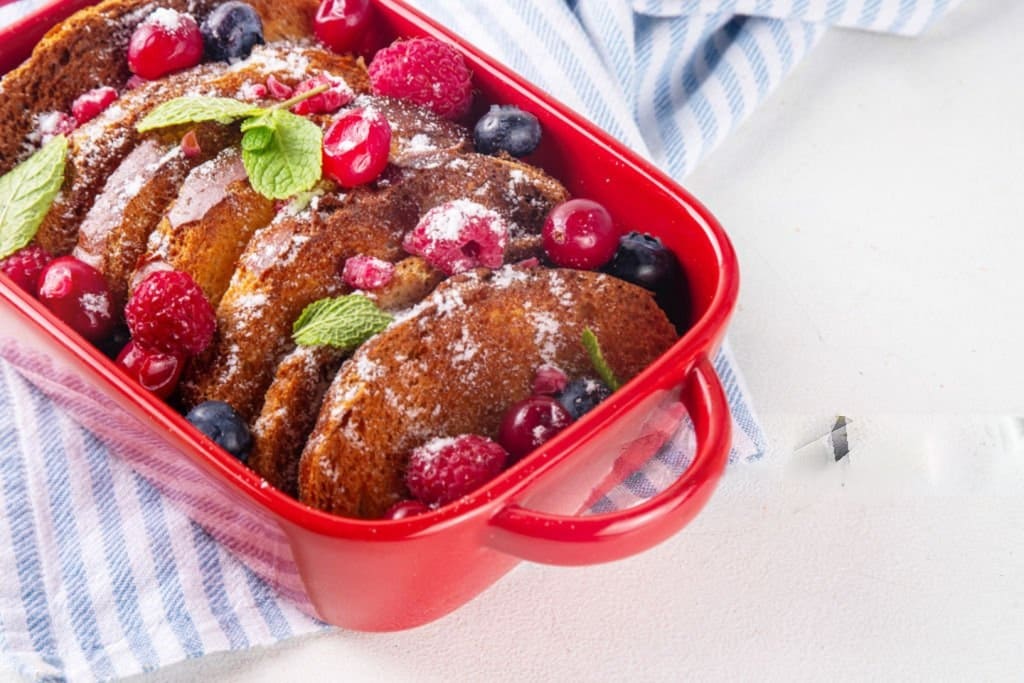
Overnight French toast bake is not only a delicious breakfast but also a little magic trick: routine ingredients transform into comfort food that tastes like effort and love. It’s ideal for busy mornings, celebratory brunches, or anytime you want breakfast to feel elevated without standing over a frying pan. With its forgiving nature and endless variations—sweet, savory, vegan, gluten-free—it’s one of the most versatile dishes you can keep in your repertoire.
Make one change at a time: test a new bread, try a different topping, or add a small splash of bourbon. Keep notes (I keep a sticky note on the pan when testing) and soon you’ll have your signature overnight French toast bake—tailored to exactly how you (and your guests) like it.