
Pesto Pasta Salad — Make-Ahead Masterpiece
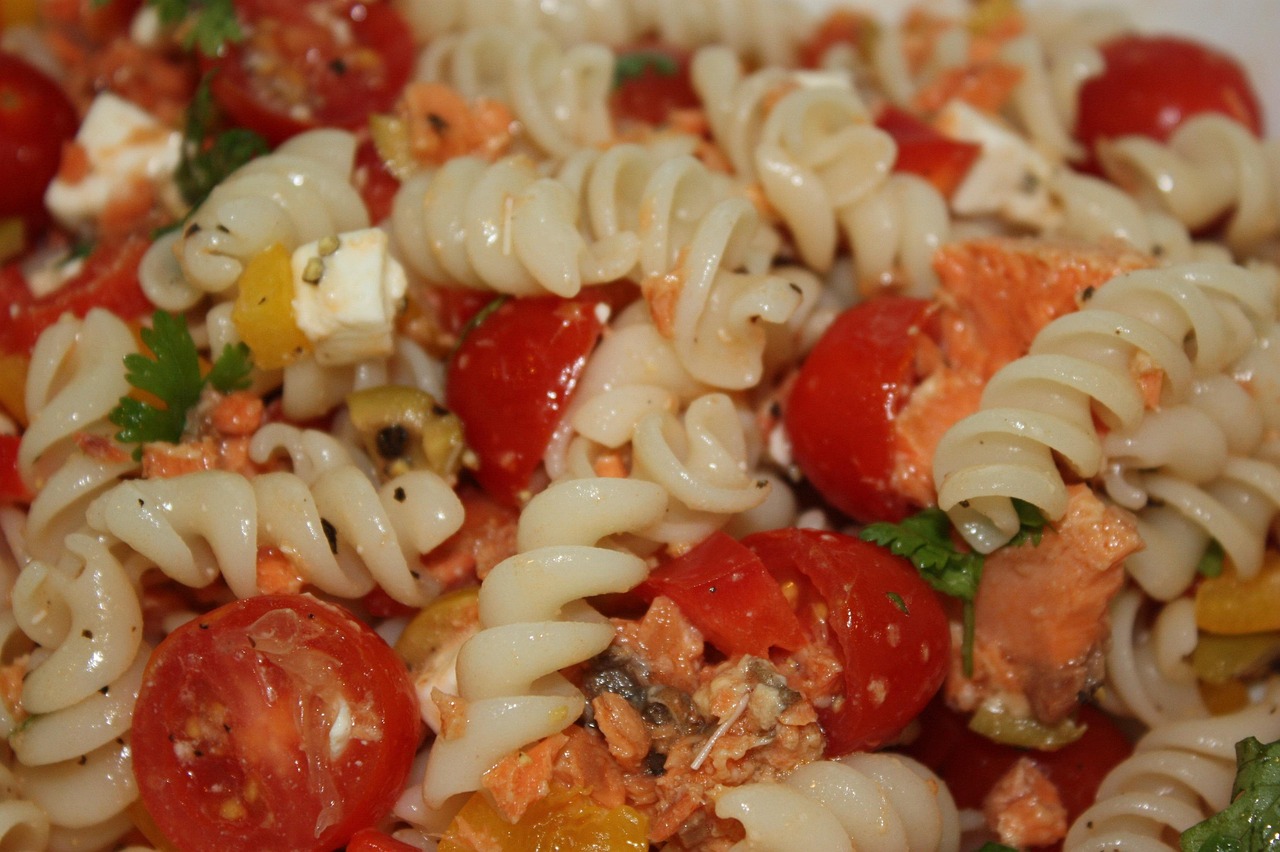
Pesto pasta salad looks like something that took all day to make but tastes bright, effortless, and impossibly satisfying. Fresh herbs, nutty cheese, tender pasta, crunchy vegetables, and an oily, garlicky pesto that clings to every noodle — that’s the magic. It’s perfect for potlucks, make-ahead lunches, relaxed summer dinners, and anything in between.
Below you’ll find everything: the flavor logic and short history, a full classic recipe (serves 6–8) with step-by-step technique, smart swaps for dietary needs, tasty variations, plating and pairing ideas, storage and transport tips, troubleshooting, nutrition notes, FAQs, and a printable recipe card. Let’s dive in.
Table of contents
Why pesto pasta salad works
Quick overview: tools & ingredients
Classic pesto pasta salad — recipe (serves 6–8)
Technique & timing (step-by-step)
Homemade vs. store-bought pesto
Best pasta shapes
Vegetables, cheeses & add-ins
Protein options
Dietary swaps (vegan, GF, nut-free)
Making ahead, storing, transporting
Flavor variations & themed versions
Pairings: what to serve with it
Presentation & garnish ideas
Troubleshooting common problems
Nutrition snapshot
Frequently asked questions
Printable recipe card
Final thoughts
Why pesto pasta salad works
This salad succeeds because it balances four pleasures:
Fat: olive oil and cheese carry and coat flavors.
Herb freshness & aromatics: basil and garlic give bright top notes.
Texture: al dente pasta + crunchy veg and nuts for contrast.
Umami & salt: Parmesan/Pecorino and optional anchovy or sun-dried tomatoes add depth.
Compared with mayo-based salads, pesto versions feel lighter while staying rich. The oil in pesto helps flavors cling to pasta and veg, and the salad often tastes even better after a few hours as flavors meld.
Quick overview: what you need and why
Equipment
Large pot for boiling pasta
Colander
Large mixing bowl (chilled if possible)
Food processor or blender (for pesto)
Chef’s knife and board
Measuring tools and a spatula or tongs
Key ingredients (flavor building blocks)
Pasta: small shapes that trap sauce (fusilli, rotini, penne, shells).
Pesto: basil, garlic, nuts, Parmesan, olive oil, lemon (optional).
Veg: cherry tomatoes, cucumber, bell pepper, red onion, peas, artichokes.
Cheese: mozzarella pearls, provolone cubes, shaved Parmesan.
Acid & seasoning: lemon juice or vinegar, salt, pepper.
Optional crunch/protein: toasted nuts, grilled chicken, shrimp, or beans.
Classic Pesto Pasta Salad — full recipe (serves 6–8)
For the pesto (≈1 cup)
3 packed cups fresh basil leaves (no stems)
1/3 cup pine nuts, toasted (or walnuts/almonds)
2–3 garlic cloves (adjust to taste)
1/2 tsp fine sea salt
1/4 tsp freshly ground black pepper
1/2 cup extra-virgin olive oil (more if needed)
1/2 cup freshly grated Parmesan or Pecorino (loosely packed)
1 tbsp lemon juice (optional)
For the salad
1 lb (450 g) pasta (fusilli, rotini, penne, farfalle, or shells)
2 cups cherry tomatoes, halved
1 medium cucumber, seeded and diced
1 cup red bell pepper, diced
1/2 small red onion, very thinly sliced
1 cup mini mozzarella balls, drained and halved (or cubed mozzarella)
1/2 cup marinated artichoke hearts, quartered (optional)
~1/4 cup pesto (reserve extra for serving)
2 tbsp extra-virgin olive oil (to toss)
1–2 tbsp lemon juice or white wine vinegar, to taste
Salt and freshly ground black pepper to taste
2 tbsp toasted pine nuts (or chopped walnuts) for garnish
Fresh basil leaves for garnish
Optional add-ins: cannellini beans, cooked chicken/shrimp, sun-dried tomatoes, olives.
Technique & timing (step-by-step)
Total active time: ~35–45 minutes (plus chilling if you want).
Make-ahead: pesto up to 3 days refrigerated (or frozen). Assembled salad keeps ~2–3 days refrigerated; textures will soften.
Toast the nuts (≈1–3 minutes). In a dry skillet over medium heat until fragrant; watch closely. Cool.
Make the pesto (≈10 minutes). Pulse basil, nuts, garlic, salt, and pepper in a food processor. With motor on, drizzle in oil until emulsified. Add cheese, pulse to combine. Thin with more oil or a tablespoon of water if too thick. For vegan, skip cheese and add nutritional yeast.
Cook the pasta (≈10–12 minutes). Salt the water well. Cook to al dente (1–2 minutes less than package). Reserve 1 cup pasta water, drain, and rinse briefly under cool water if serving chilled (or warm rinse if serving slightly warm).
Dress the pasta (≈5 minutes). Toss pasta in a large bowl with ~1/2 cup pesto and 2 tbsp olive oil. Add reserved pasta water a tablespoon at a time to loosen and help pesto cling.
Fold in veg & cheese (3–5 minutes). Add tomatoes, cucumber, pepper, onion, mozzarella, artichokes, and optional add-ins. Season with lemon, salt, and pepper; taste and adjust.
Garnish & serve. Top with toasted nuts, extra cheese, and torn basil. Chill 30+ minutes to meld flavors or serve immediately.
Tip: If chilling, save a spoonful of pesto or olive oil to refresh the salad before serving.
Pesto: homemade vs. store-bought
Homemade
Pros: fresher, customizable.
Cons: needs a processor and a bit of time.
Store-bought
Pros: convenient, consistent.
Cons: can be oilier, salty, or less fresh.
Hybrid: Boost jarred pesto with fresh basil, a squeeze of lemon, crushed garlic, and grated Parmesan.
Make it brighter: use good oil, lightly toast nuts, add lemon juice, and use fresh basil.
Best pasta shapes
Choose shapes that trap pesto and mix-ins:
Fusilli / Rotini — excellent.
Penne / Rigatoni — tubes catch sauce.
Farfalle — attractive texture.
Shells / Orecchiette — pockets for sauce.
Avoid very thin pastas (capellini) that won’t hold pesto.
Vegetables, cheeses & add-ins: layering texture and flavor
Aim for contrast:
Crunch: cucumbers, bell peppers, radishes, snap peas.
Juicy/sweet: cherry tomatoes, roasted peppers.
Creamy: mozzarella pearls, burrata (add at table).
Briny: olives, capers, anchovy in pesto, sun-dried tomatoes.
Earthy: roasted mushrooms, caramelized onions, artichoke hearts.
Topping crunch: toasted pine nuts, pistachios, almonds.
Herbs beyond basil (parsley, arugula, mint) give nice twists. Parmesan in the pesto + shavings on top is classic.
Protein additions
Turn the salad into a main by adding:
Grilled lemon-herb chicken (cube after grilling).
Sautéed or grilled shrimp.
Canned or seared tuna for a Mediterranean profile.
Flaked roasted salmon.
Beans (cannellini, chickpeas) for plant protein.
Pan-fried tofu or halloumi for a vegetarian option.
Season proteins to complement pesto (lemon, garlic, olive oil, herbs).
Dietary swaps: vegan, gluten-free, nut-free, low-fat
Vegan: omit cheese, add 2–4 tbsp nutritional yeast; swap nuts for toasted sunflower or pumpkin seeds.
Gluten-free: use GF pasta (rice, corn, or legume blends).
Nut-free: use seeds (pumpkin, sunflower) or toasted oats for crunch.
Low-fat / low-sodium: cut oil and cheese, boost acid/herbs for brightness, choose low-sodium cheese or skip it.
Making ahead, storing, transporting
Pesto: makes ahead; refrigerate ≤3 days or freeze in ice-cube trays.
Assembled salad: keeps 2–3 days refrigerated; textures soften.
Partial assembly (best for transport/picnic): cook & cool pasta tossed with a little oil; pack pesto and veggies separately; combine at serving.
Transport tips: airtight containers, ice packs if it will sit out >1 hour. For potlucks, carry extra pesto to refresh the salad.
Flavor variations & themed versions
Quick riffs:
Mediterranean: add kalamata olives, sun-dried tomatoes, feta.
Summer veggie: grilled zucchini, corn, cherry tomatoes, fresh mozzarella.
Antipasto: salami/prosciutto, artichokes, pepperoncini, provolone.
Lemon-herb: half basil/half parsley pesto + ricotta salata.
Green goddess: basil + avocado pesto with peas and shaved fennel.
Spicy: red pepper flakes or a swirl of chili oil; add chorizo.
Pairings: mains, sides & drinks
Light mains: grilled lemon-herb chicken, pan-seared salmon, shrimp skewers, marinated tofu.
Sides: crusty bread or crostini, arugula salad with lemon vinaigrette, roasted veg platter.
Drinks: crisp Sauvignon Blanc or Pinot Grigio, rosé, sparkling water with lemon, or iced tea.
Dessert: lemon tart, panna cotta, or fresh berries.
Presentation & garnish ideas
Use a wide, shallow bowl to show layers.
Scatter torn basil or microgreens and shave Parmesan on top.
Drizzle a little extra-virgin olive oil or a swirl of pesto for color.
Toasted nuts add shine and crunch.
For parties, serve on a decorative platter with basil sprigs and lemon wedges.
Troubleshooting: common problems & fixes
Bland after refrigeration: add lemon, a pinch of salt, and a drizzle of olive oil or extra pesto.
Mushy pasta: cook to al dente and shock in cold water next time; add crunchy veg to mask texture.
Pesto too thick: thin with warm pasta water or olive oil.
Too salty: add unsalted cooked pasta or beans; balance with acid (lemon).
Bitter pesto: often from over-toasted nuts or old oil — add lemon and a tiny pinch of sugar or blend in more fresh basil.
Nutrition snapshot (approximate per main-dish serving, 1 of 6)
Calories: ~520–650 kcal
Carbs: 55–70 g
Protein: 15–25 g (higher with added chicken/beans)
Fat: 25–35 g
Fiber: 4–7 g
Values vary by portions and ingredient choices. Swap to whole-grain or legume pasta and add beans to increase fiber and protein.
Frequently asked questions
Can I use store-bought pesto? Yes — choose a high-quality jar and freshen with lemon, cheese, or fresh basil.
How long does pesto pasta salad last? Assembled, 2–3 days in the fridge; textures soften over time.
Can I freeze the salad? Not recommended for the assembled salad (veg and cheese change texture). Freeze pesto separately.
Why does mozzarella weep? Drain and pat dry; add fresh mozzarella just before serving if making well ahead.
Why does pesto darken? Oxidation — stir to reincorporate color, or pour a thin layer of oil over the surface to slow discoloration.
Printable recipe card
Pesto Pasta Salad (Serves 6–8)
Pesto
3 packed cups basil leaves
1/3 cup pine nuts, toasted
2–3 garlic cloves
1/2 tsp salt, 1/4 tsp pepper
1/2 cup extra-virgin olive oil
1/2 cup grated Parmesan
1 tbsp lemon juice (optional)
Salad
1 lb pasta (fusilli, rotini, penne)
2 cups cherry tomatoes, halved
1 medium cucumber, diced
1 cup red bell pepper, diced
1/2 small red onion, thinly sliced
1 cup mozzarella pearls, halved
1/2 cup marinated artichokes (optional)
2 tbsp olive oil, 1–2 tbsp lemon juice or vinegar
2 tbsp toasted pine nuts, salt & pepper to taste
Directions
Toast nuts; cool.
Pulse pesto ingredients in a food processor; add oil until smooth; stir in cheese.
Cook pasta to al dente; reserve 1 cup cooking water; drain and cool.
Toss pasta with 1/2 cup pesto and 2 tbsp olive oil; add reserved water as needed.
Fold in vegetables and mozzarella; season with lemon, salt, and pepper. Garnish and serve.
Final thoughts
Pesto pasta salad rewards experimentation. Start with the classic formula — basil pesto, al dente pasta, cherry tomatoes, cucumber, and mozzarella — then adapt by season, diet, or pantry contents. The most important move: make sure the pesto properly coats the pasta — that’s the glue that makes every bite sing. Enjoy!