
Philly Cheesesteaks
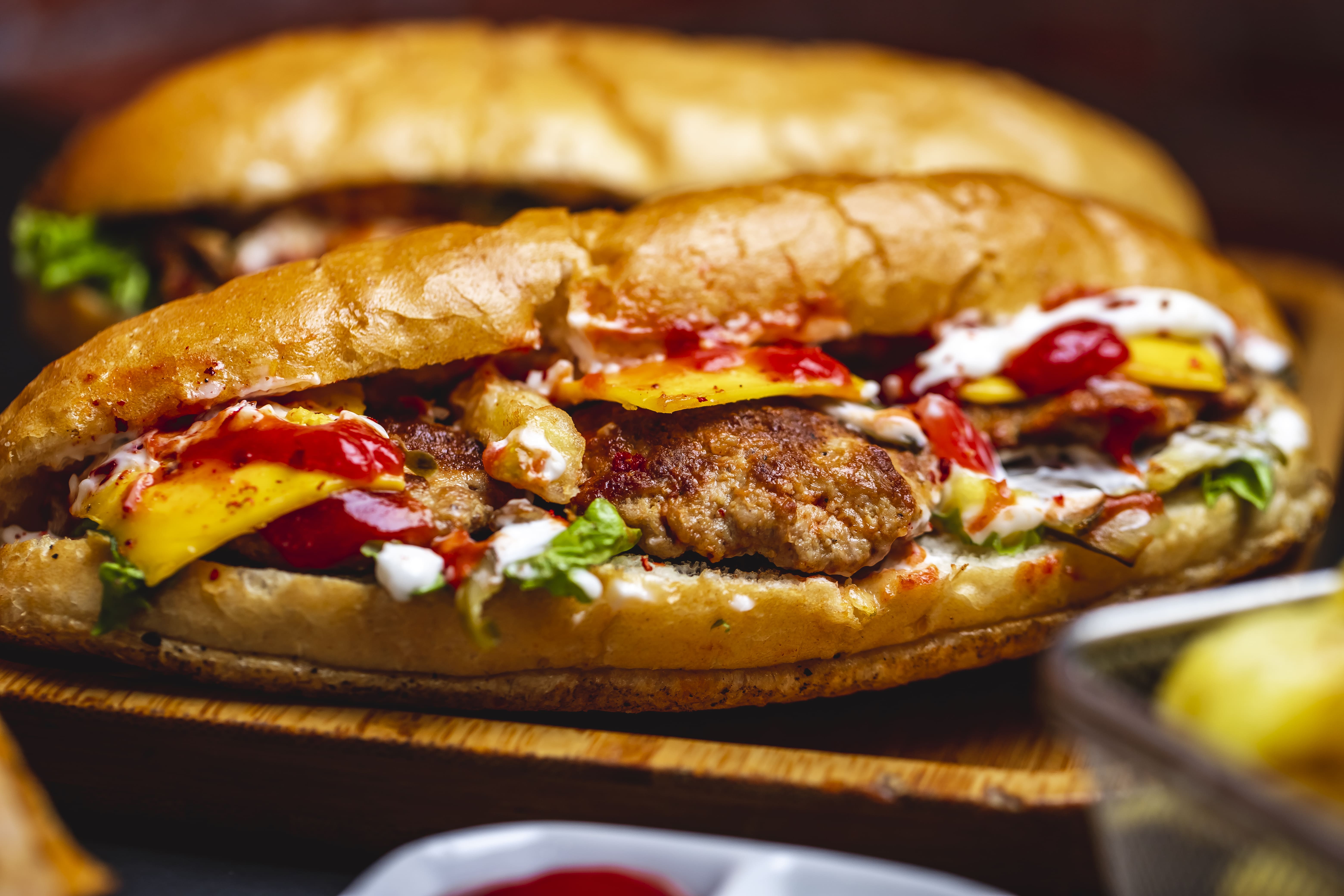
The Philly cheesesteak is more than a sandwich. It's a cultural icon, a lesson in simplicity, and an argument captured between two slices of bread. In this long-form article we’ll explore everything a writer, food blogger, or devoted sandwich-lover could want to know: the history and myths, the canonical ingredients, how to make a perfect cheesesteak at home (step-by-step), variations and regional adaptations, equipment and shopping advice, troubleshooting common problems, pairing and serving suggestions, business and cultural notes, vegetarian and vegan alternatives, FAQ, and a closing reflection on why this humble sandwich continues to inspire devotion.
This piece uses only H2, H3 and H4 headings (no H1) to make it easy to paste directly into most blog CMS systems while keeping strong SEO structure. Read on for deep detail and practical guidance — whether you’re writing a menu, shooting food photos, or simply craving the real deal.
What is a Philly Cheesesteak?
The basic elements
A classic Philly cheesesteak is defined by a few simple components:
Bread
A soft, oblong roll with a slightly crisp exterior and tender inside is ideal. Amoroso rolls are often cited as the traditional bread of choice in Philadelphia, prized for their ability to hold juices without falling apart while maintaining an airy, slightly chewy crumb.
Meat
Thinly sliced rib-eye or top-round, cooked quickly on a flat-top griddle until flavorful and tender. The meat is usually chopped or torn on the griddle so it melds with the cheese and toppings.
Cheese
Provolone, American (processed) cheese, or Cheez Whiz are the most common choices in Philadelphia. Each produces a different taste and texture: provolone offers a melty, slightly tangy profile; American gives a creamy carry; and Cheez Whiz — controversial but beloved — adds a smooth, ultra-melty cheesiness.
Toppings
The most classic topping is sautéed onions. Optional additions include sautéed bell peppers, mushrooms, ketchup, hot sauce, or pickled hot peppers. Importantly, many Philadelphians insist on keeping the sandwich straightforward: meat, cheese, maybe onions.
Why the cheesesteak matters culturally
The cheesesteak functions as local identity. For many Philadelphians it is shorthand for home, belonging, and the city’s working-class roots. Across the United States the cheesesteak has been adapted, franchised, and imitated, but the dialect of what constitutes a true Philly cheesesteak remains a fiercely debated subject in the city and outside.
A short history
Origins and early days
The most commonly told origin story places the cheesesteak’s birth in the 1930s when Pat Olivieri, a hot dog vendor in South Philadelphia, supposedly experimented with sliced beef on a roll for a hungry cab driver. When word spread, Olivieri opened a sandwich shop with his brother, and what had been an ad-hoc creation quickly became a local staple. The story is part folklore, part local truth — specific details vary by source — but the essence is that innovation and street-level entrepreneurship birthed the sandwich.
From street food to national icon
In the postwar era the cheesesteak spread beyond South Philly as Philadelphians moved and as tourism and interstate travel introduced the sandwich to a nationwide audience. The advent of frozen dough, processed cheeses, and fast-food franchising in the latter half of the 20th century facilitated national variations and simplified mass production. Yet, despite replication, the debate over authentic cheesesteak remains more fervent in Philadelphia than almost anywhere else in the country.
Notable landmarks and personalities
Pat’s King of Steaks and Geno’s Steaks — both located on 9th Street and Passyunk Avenue in South Philly — are the most famous tourist hubs, and their rivalry has become a part of cheesesteak lore. Lesser-known gems and neighborhood joints often have long, local reputations for a reason: bread quality, meat-slicing technique, and the rhythm of a cook’s hand on the griddle make measurable differences.
Ingredients: how to choose the best
Meat: cuts and preparation
Best cuts
Rib-eye is the gold standard for many chefs because of its marbling and tenderness. Top round or sirloin can work if sliced properly and cooked just right, but they require a careful hand to avoid toughness.
Slicing and freezing technique
Slice the meat very thinly against the grain. A practical trick used by many home cooks and professionals alike is to partially freeze the roast for 30–60 minutes — not frozen solid — to firm it up. This makes ultra-thin slicing possible with a sharp knife or meat slicer.
Seasoning
A light touch of salt and black pepper is often enough. The cheesesteak’s flavor comes largely from the meat’s caramelized surface and the cheese’s melting properties, so avoid over-seasoning.
Cheese: melty chemistry
Provolone
Provolone offers a clean flavor and pulls properly when melted. Use mild provolone for a classic base or sharp provolone for extra bite.
American
Being processed, American cheese melts evenly and offers a nostalgic, creamy texture. It’s a favorite in many local shops and comfort-food purists.
Cheez Whiz
A manufactured product that became synonymous with the sandwich for many fans, Cheez Whiz provides an unmistakable flavor and ultra-smooth melt. While divisive among purists, it has a dedicated following.
Bread: structure and flavor
The role of the roll
Bread acts as the sandwich’s vessel. It must be neutral enough to let the filling shine but structured enough to contain meat juices and melted cheese. Look for rolls labeled as hoagie rolls, Amoroso-style, or Italian rolls with a soft crumb and slightly crisp skin.
Toasting
Lightly toasting the interior surface of the roll can provide a textural contrast and a slight barrier to sogginess. Some cooks prefer to toast on the griddle fat for extra flavor.
Onions and additional toppings
Cooking onions
Onions are traditionally cooked until softened and translucent, sometimes pushed to a golden-brown caramelization depending on preference. Use yellow or sweet onions for balance.
Optional toppings
Mushrooms, bell peppers, hot peppers, ketchup, and hot sauce appear on many regional variants. Keep quantity moderate: toppings should complement, not overshadow, the meat and cheese.
The canonical methods: how to make a classic Philly cheesesteak at home
Equipment and mise en place
Tools you’ll need
Large flat-top griddle or heavy skillet (cast-iron recommended)
Sharp chef’s knife or meat slicer
Cutting board
Spatula (wide, sturdy) for chopping meat on the griddle
Tongs
Pastry brush for butter or oil (optional)
Mise en place
Prepare all ingredients before cooking. Thin-sliced meat should be separated into small piles; cheese slices or shredded cheese ready; onions pre-sliced; rolls split; and any optional toppings cooked and nearby.
Step-by-step recipe (classic)
Ingredients (serves 4)
2 pounds thin-sliced rib-eye or top-round
4 Amoroso-style rolls or hoagie rolls
1–2 large yellow onions, thinly sliced
8 slices provolone or 8 slices American cheese (or 1 cup Cheez Whiz)
2 tablespoons vegetable oil or butter for cooking
Salt and black pepper to taste
Directions
Preheat the griddle or heavy skillet over medium-high heat. Add oil or butter and let it heat until shimmering.
Add the sliced onions and sauté until soft and slightly caramelized, about 8–10 minutes. Remove and set aside.
Add the thin-sliced meat to the hot surface in an even layer. Season lightly with salt and pepper.
Use a spatula to press and move the meat; after a few minutes when one side has browned, chop and break the meat into small, bite-sized pieces with the spatula. Continue cooking until the meat is cooked through and beginning to brown in places.
Mix the onions back into the meat on the griddle. Arrange the meat into four portions and place cheese slices over each portion. If using Cheez Whiz, spoon it over the meat once it is scraped into the roll.
Cover the cheese briefly with a metal bowl or lid if you want a faster melt, or simply let it melt naturally.
Lightly toast the inside of the rolls on the griddle for 30–60 seconds.
Scrape each cheesesteak portion into a roll and serve immediately.
Timing and temperature tips
Avoid overcooking: thin slices become tough when cooked beyond medium.
High heat yields better browning; adjust as necessary to prevent burning while ensuring a quick cook.
Resting is unnecessary — serve hot.
Advanced techniques and chef tips
The griddle dance: forming texture with speed
The signature texture of a cheesesteak depends on quick, high-heat contact that produces small, caramelized edges without drying the meat. Use a wide spatula to constantly move and chop the meat — this creates diversity in texture from tiny crispy bits to tender ribbons.
Fat and flavor
Fat equals flavor. Rib-eye’s marbling produces natural juiciness. If using leaner cuts, a tablespoon or two of butter or oil on the griddle can compensate and encourage better browning.
Cheese placement strategies
Placing cheese on top of the meat on the griddle allows direct heat to melt it into the meat. For a creamier result, mix torn cheese into the warm meat off-heat — but this is less traditional.
The controversy of sauce
Some Philadelphians add ketchup or hot sauce, while others consider it sacrilege. If you include condiments, add sparingly. Consider offering condiments on the side so diners can customize.
Variations and creative riffs
Regional and national variations
Across the country, cheesesteaks morph into versions loaded with additional toppings, different breads, or alternate cheeses. Some variations include:
The 'Southwest' cheesesteak
Topped with jalapeños, pepper jack cheese, and avocado or chipotle mayo.
The 'Italian' cheesesteak
Uses provolone and adds sautéed peppers and sometimes marinara on the side.
The 'Deluxe' or 'Loaded' cheesesteak
Includes mushrooms, peppers, bacon, and even lettuce or tomato in some interpretations.
Vegetarian and vegan alternatives
Vegetarian steak substitutes
Portobello mushrooms, seitan, and thinly sliced eggplant can mimic the chew and umami of beef when marinated and seared properly.
Vegan cheese and bread
Use a sturdy vegan roll and a melty plant-based cheese. Nutritional yeast or fermented tofu-based cheeses can approximate cheesiness when warmed and combined with vegan butter.
A full vegan recipe (overview)
Marinate thinly sliced seitan or oyster mushrooms in soy sauce, liquid smoke, and garlic.
Sear on high heat until caramelized.
Sauté onions separately.
Combine seared protein with onions and top with vegan provolone or a melted plant-based cheese.
Serve on a toasted vegan roll.
Troubleshooting common cheesesteak problems
Soggy bread
Solution: toast the inside of the roll lightly and avoid over-saucing. Place a thin layer of melted cheese directly on the roll interior before adding the meat as a moisture barrier if necessary.
Dry or tough meat
Solution: use a more marbled cut (rib-eye), cook quickly over high heat, and slice thinly against the grain. Don’t overcook.
Cheese not melting
Solution: ensure the grill/griddle is hot and consider covering the cheese briefly to trap heat. Choose cheeses known for meltability (American, provolone, Cheez Whiz).
Too salty
Solution: balance with unsalted bread, fresh vegetables (e.g., a few strips of raw onion), or a squeeze of lemon on the side. Adjust seasoning for future batches.
Serving, presentation and photography tips
Serving for maximum appeal
Serve cheesesteaks hot and unwrapped in paper or on a simple platter. Keep sides minimal: fries, a simple green salad, pickles, or chips complement the sandwich without competing.
Food photography tips
Keep the sandwich hot to maintain steam and melted cheese for photos.
Use shallow depth of field to focus on the cheese’s pull or the meat texture.
Shoot from a three-quarter angle to capture the sandwich’s layers.
Consider removing a small portion of the roll in the shot to reveal filling.
Nutrition and portioning
Typical nutrition profile (approximate)
A classic cheesesteak can be high in calories, fat, and sodium depending on portion size and cheese choice. A single sandwich often ranges between 700–1,200 calories. For lighter options, reduce cheese, choose leaner cuts, and use smaller rolls.
Portion control strategies
Offer smaller sandwich sizes (half rolls), or serve family-style with a large platter and sides to encourage sharing.
The cheesesteak business: from cart to restaurant
Starting a cheesesteak shop
Considerations include securing a reliable bread supplier (consistent rolls make or break product quality), sourcing meat in bulk with consistent slicing, training cooks on the griddle technique, and perfecting a short menu to maintain speed and quality.
Pricing and profit
Margins depend on local meat prices, labor, rent, and overhead. High volume, fast turnover, and controlled portioning help make the model profitable. Many successful shops focus on a few variants done exceptionally well.
Interviews and voices (anecdotal)
The cook’s perspective
Many veteran cheesesteak cooks talk about rhythm: how to spread meat on the griddle, when to add onions, and how to judge when the cheese is just right. These are learned skills that translate poorly to text but show up in the finished product.
The customer’s passion
Fans will debate roll brands, cheese choices, and the correct degree of onion caramelization. That passion is part of the sandwich’s charm — it’s not just food; it’s identity.
Recipes: full guide with exact measurements and timing
Classic Cheesesteak (detailed repeatable recipe)
Ingredients (for 2 sandwiches)
1 pound thinly sliced rib-eye (partially frozen if slicing at home)
2 Amoroso-style hoagie rolls
1 large yellow onion, thinly sliced
4 slices provolone or 4 slices American cheese
1 tablespoon vegetable oil
1 tablespoon unsalted butter
Salt and black pepper to taste
Directions
Heat a large skillet or griddle to medium-high. Add oil and butter.
Add onions and cook until translucent and slightly caramelized (6–10 minutes). Move to the side.
Add meat in an even layer. Season with salt and pepper. Let sear undisturbed for 1–2 minutes to develop color.
Chop meat with a spatula directly on the griddle, forming small ribbons. Mix with onions.
Divide mixture into two portions and place two slices of cheese on each. Cover briefly or let melt naturally.
Toast rolls inside-down until slightly golden.
Scoop each portion into a roll and serve immediately.
Cheez Whiz style
For many, Cheez Whiz is mandatory. Gently heat the Cheez Whiz (microwave for 20–30 seconds) then spoon over the meat as it’s scraped into the roll. Serve hot.
Mushroom and Provolone (vegetarian-friendly)
Ingredients
16 oz cremini or portobello mushrooms, sliced
1 large onion, sliced
4 tablespoons olive oil
4 slices provolone or vegan provolone
2 hoagie rolls
Directions
Heat olive oil in a large skillet. Add onions, sauté until translucent.
Add mushrooms, increase heat and cook until the liquid evaporates and mushrooms caramelize.
Season, top with provolone slices to melt, and assemble in rolls.
Frequently asked questions (FAQ)
Is Cheez Whiz authentic?
Cheez Whiz has been used by many Philadelphia shops and is part of the city’s culinary history. Whether it’s “authentic” depends on who you ask — it’s indisputably an accepted variant.
What cut of beef should I use if I can’t find rib-eye?
Top round or sirloin can work if you slice thinly and cook quickly. Add a bit of butter or oil to provide extra juiciness.
How do I make the sandwich less messy?
Toast the roll, use a modest amount of cheese and meat, and wrap the sandwich in paper when serving to contain drips.
Can I prepare cheesesteak components ahead of time?
You can pre-slice meat and pre-cook onions, but cook and assemble the sandwich just before serving for the best texture and flavor.
Cultural notes and controversies
The tourist trap vs. neighborhood joint debate
Famous shops near tourist corridors tend to be busy and polarizing — some visitors consider them must-visit institutions, while locals often prefer neighborhood establishments with quieter reputations and more consistent product.
The authenticity wars
Arguments about correct cheese, bread, or toppings are passionate but ultimately reflect how food acts as identity. For writers and restaurateurs, acknowledging these debates respectfully is a useful way to engage readers.
Final thoughts and a call to action
The Philly cheesesteak is a study in restraint and execution: a few ingredients treated properly create something greater than the sum of its parts. Whether you’re trying to make the sandwich at home, opening a shop, or simply writing about food, the key is respect for technique and an openness to the many iterations of the sandwich.
Try it yourself
Make a classic version first — thin-sliced rib-eye, provolone, and sautéed onions on a properly toasted roll — then tweak. Experiment with cheeses, try vegan versions, or write a photo-driven feature on your local cheesesteak spots.