
Rump Cap Roast (Picanha)
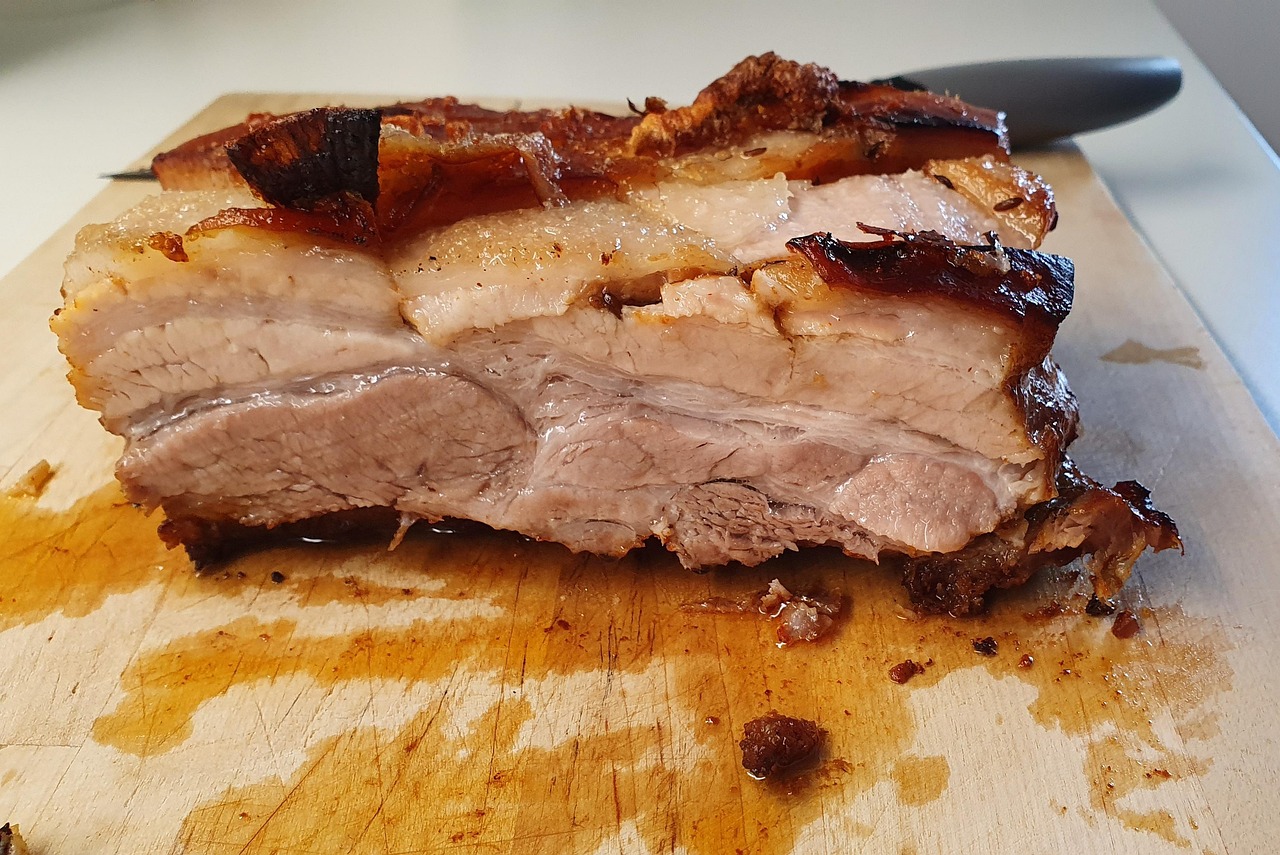
Why Rump Cap Roast Deserves a Spot in Your Kitchen
Rump cap roast—also known as picanha in Brazil, coulotte in the U.S., or cap of rump in the U.K.—is one of the most underrated cuts of beef. Sitting atop the rump primal, this triangular muscle is capped with a gorgeous layer of fat that bastes the meat as it cooks. Not only is the rump cap surprisingly tender, but it has deeply satisfying beef flavor and a dramatic presentation that suits both weeknight dinners and special-occasion feasts.
What makes rump cap roast exceptional is its combination of affordability, versatility, and naturally rich taste. Slow roasted, reverse-seared, grilled whole, sliced into steaks, smoked, or even cooked sous vide—the rump cap adapts to virtually any method and consistently yields a juicy interior and crisp, flavorful fat cap.
This guide dives deep into everything you need to know: how to choose the best rump cap, how the cut behaves during cooking, classic and modern cooking methods, flavor pairings, carving instructions, troubleshooting, and more. Whether you’re a home cook, a BBQ enthusiast, or a professional chef looking to refine your technique, this article will turn your rump cap roast into a masterpiece.
What Exactly Is Rump Cap?
Rump cap (IMPS/NAMP 184D; AUS code R254) is a triangular, tapered muscle that sits atop the rump section of the cow. While it is sometimes sold attached to the top sirloin, a true rump cap is a standalone cut that weighs between 1.2 and 2.2 kilograms (typically 2.5–5 pounds).
Key Features of the Cut
Fat Cap: A generous 1–2 cm fat layer covers one side, rendering during cooking and providing unmatched flavor.
Texture: The meat itself is moderately tender—less tender than ribeye, more tender than full rump—with a satisfying chew.
Shape: Triangular and slightly rounded, making it ideal for roasting whole.
Grain Structure: The grain runs lengthwise, which is important for slicing after cooking.
Flavor Profile: Deep, beefy, slightly minerally, and rich—especially when cooked with the fat cap intact.
Other Names for Rump Cap
Depending on the region or butcher, rump cap may appear under different names:
Picanha (Brazilian churrasco)
Coulotte or Coulotte Roast
Top Sirloin Cap
Aiguillette Baronne (French)
Tapa de cuadril (Spanish)
When buying internationally, use the appearance and fat cap as your guide.
Choosing the Best Rump Cap Roast
Selecting quality meat dramatically improves your final result. Here’s what to look for.
1. The Fat Cap
The hallmark of a great rump cap roast is its fat layer. Seek out:
At least 1 cm of fat over the entire surface.
Firm, white to ivory fat (avoid yellow, crumbly fat).
No deep gouges or trimming that exposes the muscle.
The fat not only bastes the meat—it's essential for achieving the iconic crisp crust.
2. Marbling
Though rump cap is not as heavily marbled as ribeye, you should still look for delicate intramuscular fat webs. More marbling equals more tenderness and flavor.
3. Grade
USDA Prime or Choice if you’re in the U.S.
MB2+ to MB4+ (marbling score) in Australia.
Label Rouge or similar premium grass-fed programs in Europe.
4. Freshness
Color should be bright cherry-red, never brown or greyish.
The surface should be dry but not dehydrated.
Packaging should be tight and odorless.
5. Weight
A classic rump cap roast weighs 1.5–2 kg (3–4.5 lb). Smaller pieces may cook too quickly; larger may require more attention.
The Science of Cooking Rump Cap
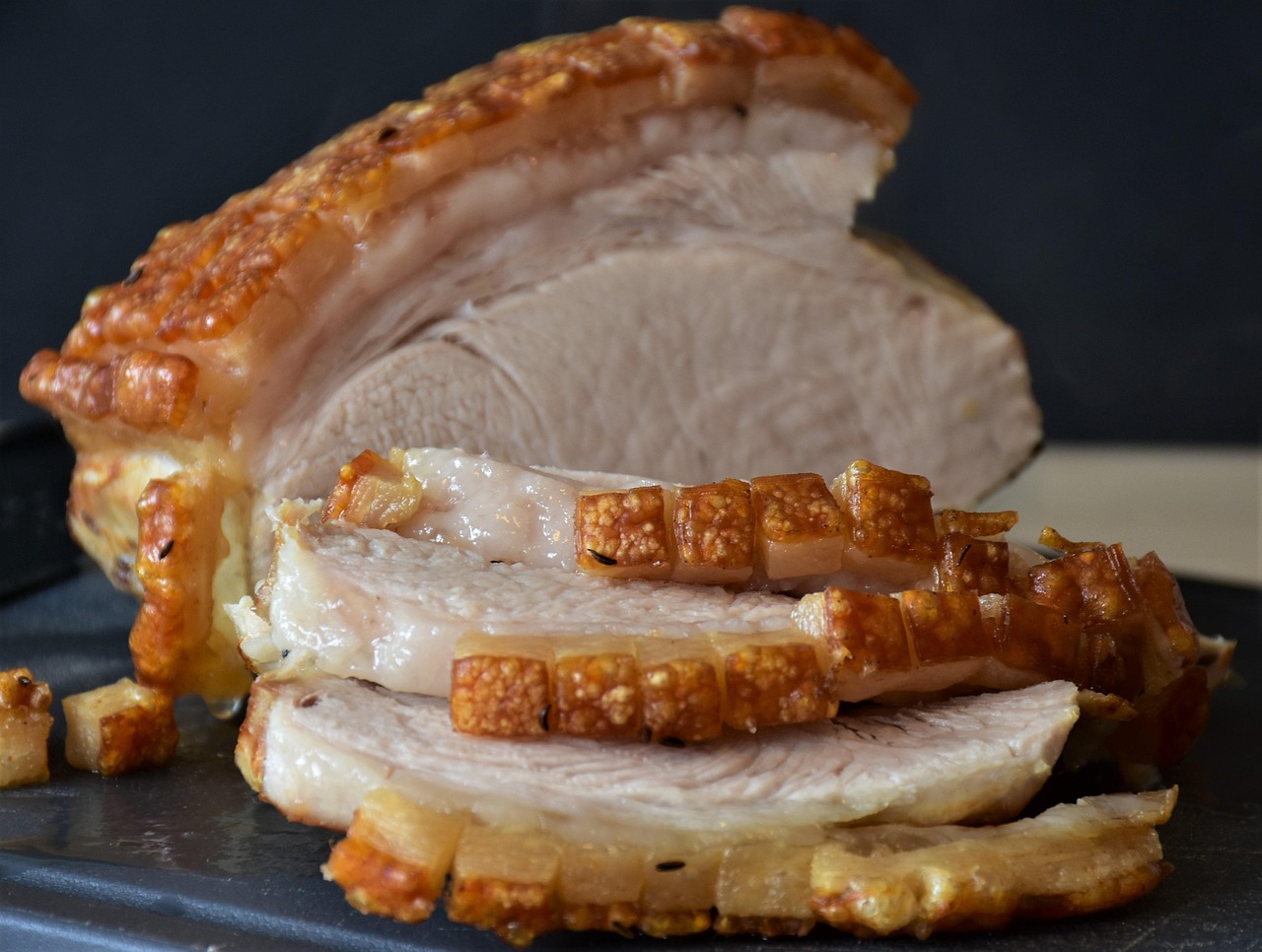
Understanding what happens inside the meat helps you cook it perfectly.
Collagen and Tenderness
Rump cap contains moderate collagen. Cooking between 52–60°C (125–140°F) keeps collagen intact for a tender roast; going lower allows enzymes to tenderize; going higher requires long cooking to break down fibers.
The Fat Cap’s Role
The thick lid of fat:
Melts gradually, self-basting the meat.
Protects it from drying.
Adds aroma compounds that deepen flavor.
Helps develop a crunchy crust when seared.
Moisture Management
Rump cap benefits from:
Slow initial cooking (to preserve juices).
High-heat finishing (to crisp fat and build crust).
This is why reverse-searing is the gold standard.
Preparing Rump Cap Roast: Step-by-Step
1. Trimming
Do not remove the fat cap. Only:
Shave fat thicker than 1.5–2 cm.
Remove any external silver skin under the fat edges.
2. Scoring the Fat Cap
Use a sharp knife to create shallow crosshatch cuts in the fat only (not the meat).
Benefits:
More even rendering
Crisper crust
Better seasoning penetration
3. Dry Brining
Dry brine 12–48 hours with 1–1.25% salt by weight.
Example:
2 kg roast → 20–25 grams of salt
Dry brining dramatically improves tenderness and moisture retention.
4. Seasoning
Rump cap loves simple or bold flavors alike. Basic seasoning includes:
Salt (already applied during dry brine)
Black pepper
Garlic powder
Paprika
Optional: smoked salt, rosemary, thyme, chimichurri base rub, or coffee rub
5. Bringing to Room Temperature
Let the seasoned roast sit at room temperature for 45–60 minutes before cooking.
This ensures even internal heat distribution.
Cooking Method #1: The Perfect Oven Roast (Reverse Sear Method)
Reverse-sear rump cap roast is the most reliable technique for beginners and professionals.
Temperature Targets
Rare: 52°C / 125°F
Medium-rare: 55–57°C / 130–135°F
Medium: 60°C / 140°F
Step-by-Step
1. Preheat oven to 110–130°C (225–265°F).
Lower temperatures maximize tenderness.
2. Place roast fat-side up on a rack.
Allows fat to render down into the meat.
3. Cook until internal temperature is 5–7°C (8–12°F) below target.
Example: If target is 55°C (135°F), pull at 48–50°C (118–122°F).
4. Rest 10–15 minutes.
Juices redistribute.
5. Sear aggressively.
Either in a cast-iron pan or under a broiler at maximum heat. This crisps the fat cap and forms a deep brown crust.
6. Slice properly (more on that below).
Flavor Add-Ins
Garlic confit under the fat cap
Herb paste (rosemary + thyme + garlic)
Coffee + brown sugar + smoked paprika rub
Mustard crust
Cooking Method #2: Brazilian Picanha Grill (Churrasco Style)
Brazil’s beloved churrasco tradition centers around rump cap (picanha). Instead of roasting whole, it’s skewered into a distinctive “C” shape.
How to Prepare
Slice the roast into three thick strips along the grain.
Bend each into a semicircle, fat side outward.
Skewer with metal skewers.
Season heavily with coarse rock salt.
Grilling Instructions
Cook over high charcoal heat.
Keep rotating skewers to crisp the fat.
When exterior browns, slice off thin shavings.
This technique turns rump cap into succulent layers of crusty, smoky perfection.
Cooking Method #3: Sous Vide for Ultimate Precision
Sous vide produces unmatched tenderness.
Time & Temperature
54.5°C / 130°F for 6 hours → Perfect medium-rare
56°C / 133°F for 4–5 hours → Slightly firmer
58°C / 136°F for 3–4 hours → Approaching medium
After sous vide:
Thoroughly dry the roast.
Sear fat side down until crisp.
Sear remaining sides briefly.
Sous vide truly shines with rump cap because it softens connective tissue without overcooking.
Cooking Method #4: Smoked Rump Cap Roast
A favorite for BBQ enthusiasts who want deep bark and smoky aroma.
Tips
Use hardwoods like oak, hickory, or pecan.
Keep smoker at 225–250°F (110–121°C).
Smoke until internal temperature reaches 125–130°F (52–54°C).
Rest, then sear over hot coals or grill grates.
Smoked rump cap retains juiciness while developing complex flavor layers.
Carving Rump Cap Correctly
Many people ruin the final result by slicing incorrectly.
Rule: Always Slice Against the Grain
Because the grain runs lengthwise, start by:
Rotating the roast to identify grain direction.
Cutting perpendicular slices 1–2 cm thick.
Keeping the fat cap attached for flavor.
Slicing wrongly makes the roast seem tough even if perfectly cooked.
Best Side Dishes for Rump Cap Roast
Classic Pairings
Roasted potatoes or mash
Red wine jus
Creamed spinach
Yorkshire puddings
Modern Pairings
Chimichurri
Roasted garlic-lemon aioli
Grilled asparagus with parmesan
Smoked paprika roasted carrots
Fresh, Bright Accents
Herb gremolata
Pickled red onions
Horseradish cream
Sauces That Elevate Rump Cap
Chimichurri verde
Peppercorn brandy sauce
Red wine reduction
Balsamic garlic glaze
Argentinian criolla salsa
A bold beef like rump cap pairs especially well with acidic or herbal sauces.
Common Mistakes (And How to Avoid Them)
1. Trimming off the fat cap
Avoid at all costs—this is the soul of the roast.
2. Cooking too hot from the start
High heat tightens muscle fibers and pushes juices out. Always slow-cook first, then sear.
3. Not resting
Meat needs time to equalize temperature and relax.
4. Slicing with the grain
This makes the roast chewy.
5. Under-seasoning
Rump cap is a thick, beefy cut that needs assertive seasoning.
Buyer's Guide: Grass-Fed vs Grain-Fed
Grass-Fed
Leaner
More mineral flavor
Slightly firmer texture
Best cooked medium-rare or sous vide
Grain-Fed
More marbling
Naturally richer and softer
Ideal for roasting or searing
Hybrid (Grass-Fed, Grain-Finished)
A balanced sweet spot—tender and flavorful without excessive fattiness.
Storage, Freezing, and Meal Prep
Storing
Raw: 3–5 days in the fridge
Cooked: 3–4 days chilled
Freezing
Wrap in plastic + vacuum seal if possible.
Great freezer cut for up to 6 months.
Leftover Uses
Leftover rump cap is incredible sliced thin:
Steak sandwiches
Rump cap tacos with chimichurri salsa
Ramen or pho bowls
Beef fried rice
Steak salads with mustard vinaigrette
Nutritional Overview
Per 100g:
Calories: ~250–280
Protein: ~21–24 g
Fat: ~17–20 g
Vitamins: B12, B6, niacin
Minerals: iron, zinc, phosphorus
Notable benefits include high-quality protein and essential micronutrients.
A Complete, Foolproof Rump Cap Roast Recipe
Ingredients
1.8–2 kg rump cap roast
20–25 g kosher salt
1 tbsp coarse black pepper
1 tbsp smoked paprika
1 tsp garlic powder
1 tsp onion powder
Optional: 1 tbsp Dijon mustard
Instructions
Dry brine 24 hours with salt.
Score fat cap.
Apply seasoning.
Roast at 120°C (250°F) until internal temperature reaches 50°C (122°F).
Rest 15 minutes.
Sear fat cap until golden and crispy.
Slice against the grain.
Serve with chimichurri and roasted potatoes.
Troubleshooting Guide
Roast is too chewy
You likely sliced with the grain.
Or you cooked at too high of a temperature.
Fat cap didn’t crisp
Heat during searing was too low.
Fat cap was too thick or unscored.
Meat is dry
Overcooked
Not rested long enough
Oven temperature too high
Uneven doneness
Roast was too cold when placed in oven
No rack below meat
Oven hot spots
Final Thoughts: Why Rump Cap Roast Should Be Your New Signature Dish
Rump cap roast is the perfect blend of simplicity, drama, and deeply satisfying flavor. It’s affordable enough for everyday meals, yet impressive enough for celebrations. With its signature fat cap and adaptable cooking methods, it consistently delivers a tender, juicy, richly beefy experience that rivals much more expensive cuts.
Master the reverse sear, or dive into traditional Brazilian grilling—you can’t go wrong. Once you learn how to score the fat, season boldly, cook gently, and slice properly, rump cap roast will become one of your most requested dishes.