
Vanilla Bundt Cake
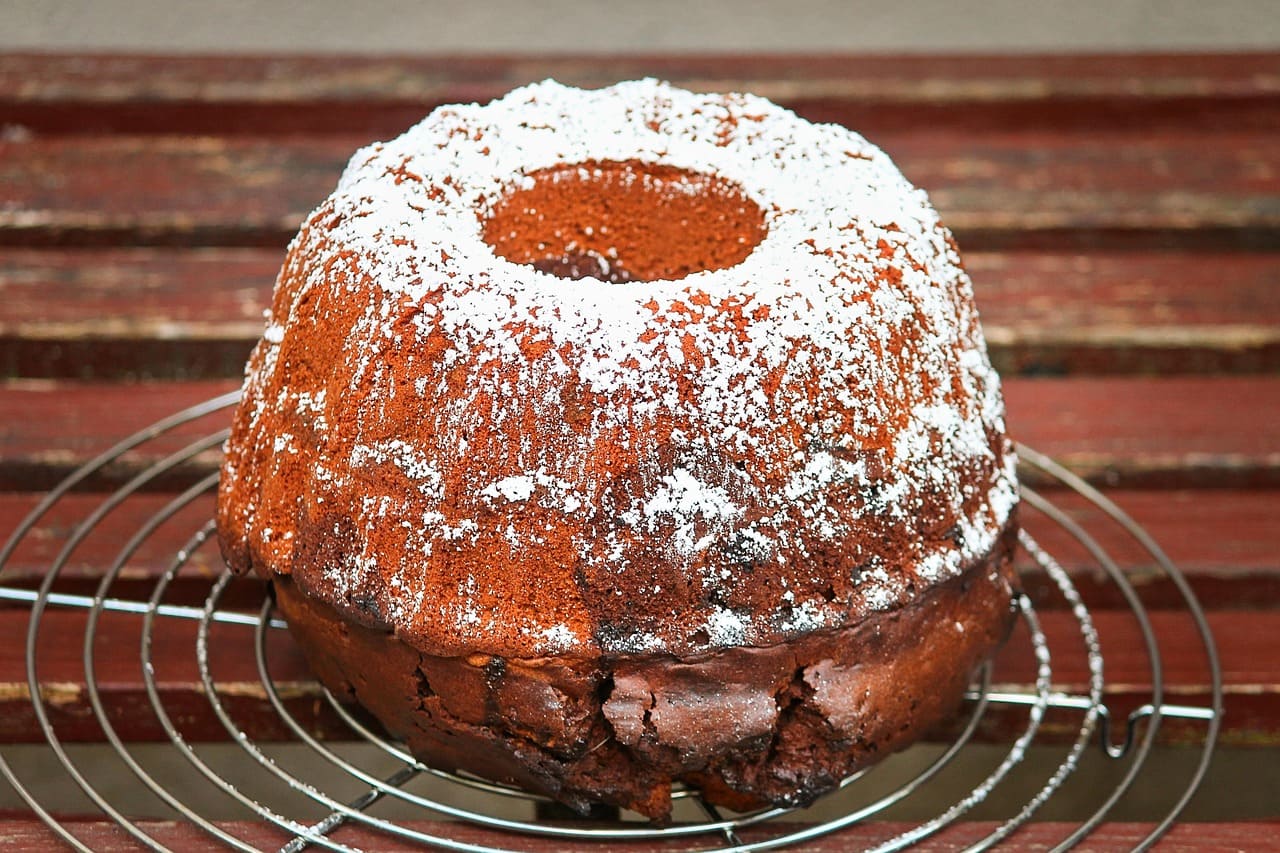
There’s something quietly theatrical about a Bundt cake. It’s the ring shape, the clean fluted edges, that moment when you invert it onto a plate and the silhouette looks like sculpture made of cake. But beneath the drama sits pure comfort: a tender, buttery, vanilla-forward crumb that’s simple, forgiving, and endlessly adaptable.
This guide is everything you need to make a perfect Vanilla Bundt Cake — whether you want a weekend teatime centerpiece, a birthday cake without fuss, or a reliable recipe to scale for a crowd. You’ll get the full recipe (metric + imperial), step-by-step technique, science-backed tips to avoid sticking and sinking, variations (glazes, fillings, dietary swaps), troubleshooting, storage, and elegant serving ideas. No h1s, only h2/h3/h4 headings — let’s get baking.
Why choose a Bundt cake?
Quick elegance without fuss
A Bundt pan gives drama with very little decorating skill. A simple glaze or dusting of powdered sugar turns this modest vanilla cake into something party-ready.
Texture and crust balance
The relatively high surface area of a Bundt pan promotes a tender exterior crust and moist interior crumb — when baked correctly, it’s the best of both worlds.
Versatility
This vanilla base is a launching pad: add citrus zest, chocolate chips, nut pastes, or a swirl of jam. It’s an all-purpose template.
The recipe (single 10–12 cup Bundt pan) — yields 10–14 slices
Notes: Weights are more reliable for baking. If you prefer cups, both are included. Make sure your Bundt pan is 10–12 cups (standard nonstick fluted) unless you want to scale the recipe.
Ingredients — dry & wet (metric + imperial)
Dry
360 g (3 cups) all-purpose flour, spooned & leveled
300 g (1 1/2 cups) granulated sugar
2 tsp baking powder (8 g)
1/2 tsp baking soda (2 g)
1 tsp fine sea salt (5 g)
Wet
225 g (1 cup) unsalted butter, softened to room temperature
3 large eggs, room temperature (≈ 150 g out of shell)
240 ml (1 cup) whole milk, room temperature
120 ml (1/2 cup) sour cream or plain Greek yogurt, room temperature
2 tbsp pure vanilla extract (30 ml) — use real vanilla for best flavor
1 tbsp lemon zest (optional; brightness)
For the glaze (optional)
160 g (1 1/4 cups) powdered sugar, sifted
2–3 tbsp milk or cream (30–45 ml)
1/2 tsp vanilla extract
Pinch fine salt
Equipment & prep checklist
Essential
10–12 cup Bundt pan (nonstick preferred)
Electric mixer (stand or hand) — paddle or whisk attachment
Kitchen scale (highly recommended)
Mixing bowls and spatula
Sifter or fine-mesh sieve for dry ingredients and powdered sugar
Cooling rack
Parchment paper for testing release (optional)
Prep
Preheat oven to 175°C (350°F).
Grease the Bundt pan thoroughly with softened butter or neutral oil and dust with flour or use a flour-based pan release (see tips below). Every crevice must be greased.
Bring eggs, butter, milk, and sour cream to room temperature — they emulsify better and produce a more even crumb.
Technique: step-by-step
1. Sift and combine dry ingredients
Sift or whisk together flour, baking powder, baking soda, and salt into a large bowl. Add sugar and whisk briefly to combine. Sifting aerates the flour and helps remove lumps.
2. Cream butter and sugar
In a separate bowl, beat the softened butter and granulated sugar on medium speed until pale and light, about 3–5 minutes. Proper creaming traps air which helps with rise and texture.
3. Add eggs one at a time
Reduce the mixer speed and add eggs one at a time, mixing until each is incorporated. Scrape down the bowl between additions. Overbeating after the flour is added will develop gluten — avoid that later.
4. Flavoring
Mix in vanilla extract and lemon zest (if using).
5. Alternate dry and wet
With mixer on low, add the dry ingredients in three additions, alternating with milk + sour cream in two additions: dry (⅓), wet (½), dry (⅓), wet (remaining), dry (last ⅓). Mix only until combined — stop when streaks disappear.
6. Gentle fold
Finish with a few gentle folds by hand using a spatula to ensure there are no pockets of flour and to avoid overmixing.
7. Fill the pan and bake
Spoon batter into the prepared Bundt pan, smoothing the top. Tap pan gently on the counter to release large air bubbles. Bake on the middle rack for 45–60 minutes (start checking at 40 minutes). A toothpick or skewer should come out with a few moist crumbs attached, not wet batter.
8. Cool and release carefully
Cool the cake in the pan on a rack for 15–20 minutes — not longer. Inverting too late increases the chance it will stick. Run a thin offset spatula or knife around the inner and outer edges before inverting. Place a cooling rack over the pan and flip in one smooth motion.
9. Glaze or finish
Let cake cool completely before glazing. For the simple glaze: whisk powdered sugar with vanilla and enough milk to reach a thick pourable consistency; drizzle over cake. For powdered-sugar-only finish, dust lightly.
Baking science — what’s happening (and why these steps matter)
Creaming vs. liquid balance
Creaming butter and sugar incorporates air; that air expands in the oven for lift. Too much liquid will weaken the structure; too little will make it dry. The sour cream adds acidity and fat — it tenderizes the crumb and keeps moisture.
Baking soda + powder
This recipe uses baking powder as the primary leavener; a touch of baking soda can help with browning if recipes include acidic elements. We’ve included baking soda sparingly so the crumb doesn’t overreact.
Pan surface area
Because a Bundt pan has more surface area than a loaf pan, the cake bakes differently — edges set sooner, so the middle needs careful testing and sometimes lower heat to avoid over-browning.
Pro tips for perfect release (no stick, no problem)
Grease like your life depends on it
Use a pastry brush to coat every groove with softened butter or vegetable shortening. Don’t skimp. After greasing, dust with a tablespoon of flour, tap out excess, then place in refrigerator for 10 minutes — the fat firms and improves release.
Use a browned-butter or flour release
For an extra-foolproof method, mix equal parts vegetable oil and flour into a paste and smear it into the grooves with a pastry brush. This “baker’s spray” works wonders on older pans.
Don’t overbake
Overbaking dries the crumb and makes adhesion worse. Also release too soon? The cake may fall apart. Cool 15–20 minutes before inverting — that’s the sweet spot.
Test-run with parchment (for tricky pans)
If your pan is notorious, bake a small test cake or line the bottom with a thin ring of parchment for additional insurance.
Troubleshooting: common Bundt cake problems
Cake sticks to the pan
Cause: insufficient greasing; underbaked; fragile crumb.
Fix: Reheat the pan for a few seconds in the oven before inverting (warms the butter), run a thin knife around edges, and invert gently. For future bakes, use the oil+flour paste method and chill before baking.
Cake sinks in the center
Cause: underbaking, opening oven door too early, too much leavening, or batter overwhipped.
Fix: Ensure proper bake time; avoid door peeks; check leavening expiration dates.
Crust too dark while center is underdone
Cause: oven too hot or pan placed too high/low.
Fix: Lower oven temperature by 10–15°C (25–30°F) and extend bake time; place cake on center rack; insulate outer pan with a foil collar if necessary.
Dense or gummy texture
Cause: overmixing after flour added, old flour, or incorrect measuring.
Fix: Use weight measurements; mix only until combined; check flour freshness.
Uneven top or lopsided shape
Cause: uneven batter distribution or oven hotspots.
Fix: Level batter by rotating the pan and tapping; use oven thermometer and rotate halfway through baking if needed.
Variations & flavor ideas
Classic glazed vanilla
Stick with the simple powdered sugar glaze. Add a splash of amaretto or rum to the glaze for grown-up notes.
Lemon-vanilla Bundt
Add 2 tbsp lemon zest to the batter and substitute 2 tbsp milk with fresh lemon juice. Make a lemon glaze with lemon juice + powdered sugar.
Vanilla streusel Bundt
Before baking, sprinkle a cinnamon-brown sugar streusel (butter, brown sugar, cinnamon, flour) into the center of the batter for a hidden layer of crunch and spice.
Vanilla Bundt with vanilla bean paste
Swap vanilla extract for 2 tsp vanilla bean paste or scrape 1–2 vanilla beans for intense, speckled vanilla flavor.
Chocolate-marble (swirl)
Reserve 200 g batter, fold in 30–40 g cocoa powder + 20–30 g sugar, dollop alternately into the pan and swirl with a knife for marble effect.
Nutty & boozy
Fold 100 g toasted pecans or almonds into batter and brush cooked cake with a simple syrup spiked with bourbon or rum after unmolding.
Filled Bundt: custard or jam center
Pipe cooled pastry cream or thick jam into the center hole after the cake is fully cooled for a delightful surprise slice.
Gluten-free & vegan swaps
Gluten-free: Use a 1:1 GF flour blend with xanthan gum; reduce oven temp by 10°F and add a touch more liquid if batter seems dense.
Vegan: Replace butter with vegan butter, eggs with a flax or chia “egg” or commercial replacer, and use plant yogurt. Texture will differ but can be excellent with testing.
Glazes, icings, and finishing touches
Simple vanilla glaze
Whisk 160 g powdered sugar, 2–3 tbsp milk/cream, ½ tsp vanilla, pinch salt. Drizzle over cooled cake.
Cream cheese glaze
Beat 115 g cream cheese until smooth, add 60 g powdered sugar, 1 tbsp lemon juice, and thin with a little milk. Spoon over ring for tang.
Brown butter glaze
Brown 60 g butter until nutty, cool slightly, whisk into 125–160 g powdered sugar with 1 tsp vanilla and enough milk to achieve pourable texture. The toasty notes are magic with vanilla cake.
Ganache drizzle
Heat 120 ml heavy cream until steaming, pour over 120 g chopped dark chocolate. Whisk until smooth and chill slightly; pour over cake for a glossy finish.
Decorative ideas
Toasted sliced almonds or flaked coconut on top for crunch.
Fresh berries and mint for a spring look.
Candied citrus peel for elegance.
Make-ahead, storage, and freezing
Make-ahead
Bake the Bundt cake fully and wrap tightly in plastic once cool — it keeps at room temperature for 2 days. For longer life, refrigerate up to 5 days (wrapped). Bring to room temperature before serving for best flavor.
Freezing
Unfrosted, fully cooled Bundt cakes freeze well for up to 3 months. Wrap in plastic then aluminum foil. Thaw overnight in the fridge or at room temperature for 2–3 hours.
Assembled cake
If glazed, store in the fridge; let come to room temperature for 20–30 minutes before serving. Beware that some glazes (especially cream-based) may weep if left too long.
Portioning & nutrition (approximate)
Portioning
A 10–12 cup Bundt yields about 12–14 moderate slices. Cut with a serrated knife using a sawing motion to keep clean edges.
Nutrition estimate (per slice, 1/12 of cake, vanilla glaze)
Calories: ~360–420 kcal
Fat: ~16–22 g
Carbohydrates: ~45–55 g
Protein: ~4–6 g
Exact numbers depend on specific ingredients and glazing choices. For strict dietary needs, input your brands into a nutrition calculator.
Troubleshooting quick-reference (cheat sheet)
Cake won’t release
Grease thoroughly, flour or oil+flour paste, chill pan briefly before baking; cool 15–20 minutes then invert.
Center is raw but edges browned
Lower oven temp 10–20°F and bake longer; bake on center rack; tent with foil if top browns too fast.
Crumb is gummy
Check for underbaking, overmixing, or too much liquid; measure ingredients by weight.
Cake collapsed after cooling
May be underbaked, or opened oven door too early; check leavening freshness and avoid overbeating.
Serving & pairing suggestions
Beverage pairings
Afternoon tea (Earl Grey, English Breakfast) — the bergamot and tannins cut richness.
Coffee (medium roast) — a classic companion; try a pour-over for clarity.
Sparkling wine or Prosecco for celebrations — vanilla cake is surprisingly elegant with bubbles.
Serving ideas
Warm slice with a scoop of vanilla ice cream and warm berry compote.
Make it brunch-friendly: serve thin slices with mascarpone and fresh berries.
For a dessert table, stack a small Bundt on a pedestal and surround with fruits and flowers.
Frequently Asked Questions (FAQ)
Can I use a tube pan instead of a Bundt?
Yes — the shape is similar. Baking time may vary slightly; check by toothpick and adjust.
Why is my Bundt cake dry?
Likely overbaked or too much flour. Use weight measurements, check oven accuracy, and avoid overmixing once flour is added.
Can I halve or double the recipe?
Yes. Halving for a smaller pan is possible but may require adjusting bake time. Doubling works if you have two pans; bake simultaneously and start checking earlier for doneness in each.
How do I make a moist Bundt every time?
Use sour cream or yogurt in the batter, don’t overbake, and brush with a flavored syrup (vanilla or simple syrup) after baking if desired.
Can I make this in a loaf pan?
Yes — expect 45–60 minutes for a 9x5 loaf. Check doneness with a skewer.
Printable recipe card (copy/paste)
Vanilla Bundt Cake — Ingredients
360 g (3 cups) all-purpose flour
300 g (1 1/2 cups) granulated sugar
2 tsp baking powder
1/2 tsp baking soda
1 tsp salt
225 g (1 cup) unsalted butter, softened
3 large eggs
240 ml (1 cup) whole milk
120 ml (1/2 cup) sour cream or Greek yogurt
2 tbsp vanilla extract
1 tbsp lemon zest (optional)
Method (short)
Preheat 175°C (350°F). Grease and flour 10–12 cup Bundt pan.
Whisk dry ingredients. Cream butter + sugar until pale. Add eggs one at a time. Add vanilla.
Alternate dry and wet (in 3 and 2 additions). Mix until combined.
Bake 45–60 minutes; test with toothpick. Cool 15–20 minutes, invert.
Cool completely, glaze if desired.